Mozambique

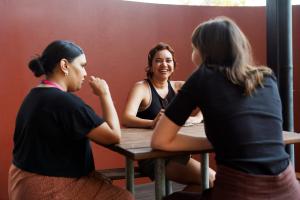
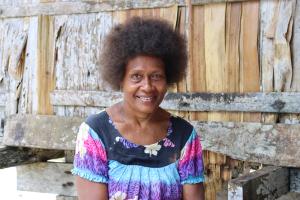
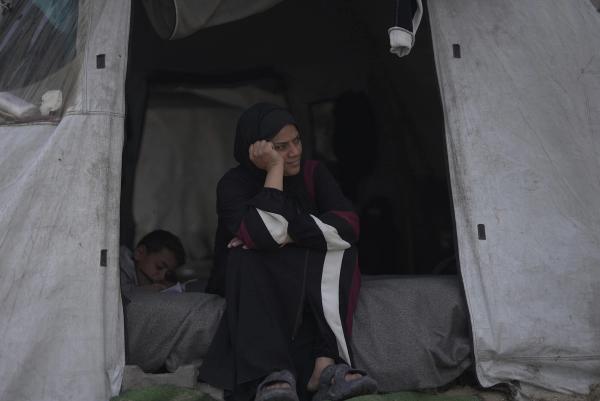
Olinda Nhabanga, who is HIV positive, receives vital home-based care and support from our local partner Arepacho.

Olinda Nhabanga, who is HIV positive, receives vital home-based care and support from our local partner Arepacho. Photo: Joel Chiziane/OxfamAUS

Mozambique has emerged from the shadow of colonial rule, war and famine to enjoy impressive economic growth. But this growth hasn’t brought an end to the country’s widespread poverty.

We’re working with Mozambicans to reduce the impact of HIV, develop sustainable food production and livelihoods. And we’re helping communities to better plan for, and respond to, the impacts of natural disasters.

Tackling HIV and AIDS

Over the past 15 years, Mozambique has experienced a steady rise in the number of people infected with HIV and AIDS. Currently 1.5 million people are living with HIV, 100,000 of which are children.

As a result of the epidemic, the men and women who drive Mozambique's economy and services are often cut down in their prime. Without them, their families sink further into poverty.

We work with local partner organisations to improve people's understanding of HIV and AIDS to ensure that more people get tested, treated and cared for.

Home-based care is just one way in which this work is saving lives. As Amelia Jame Cubassa, says, “[home-based care] gave me back my life … and motivated me to fight for my life and my children’s life”.

We strengthen community organisations and support networks to become more effective in responding to the impacts of the HIV epidemic.

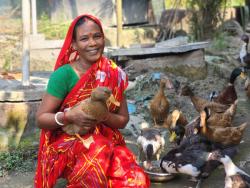
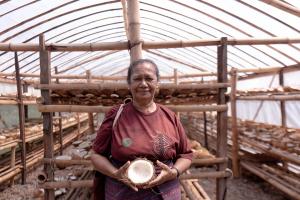
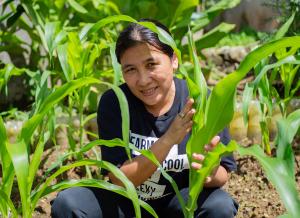
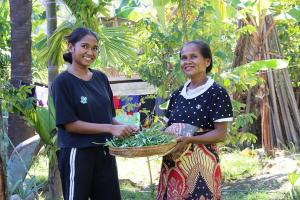
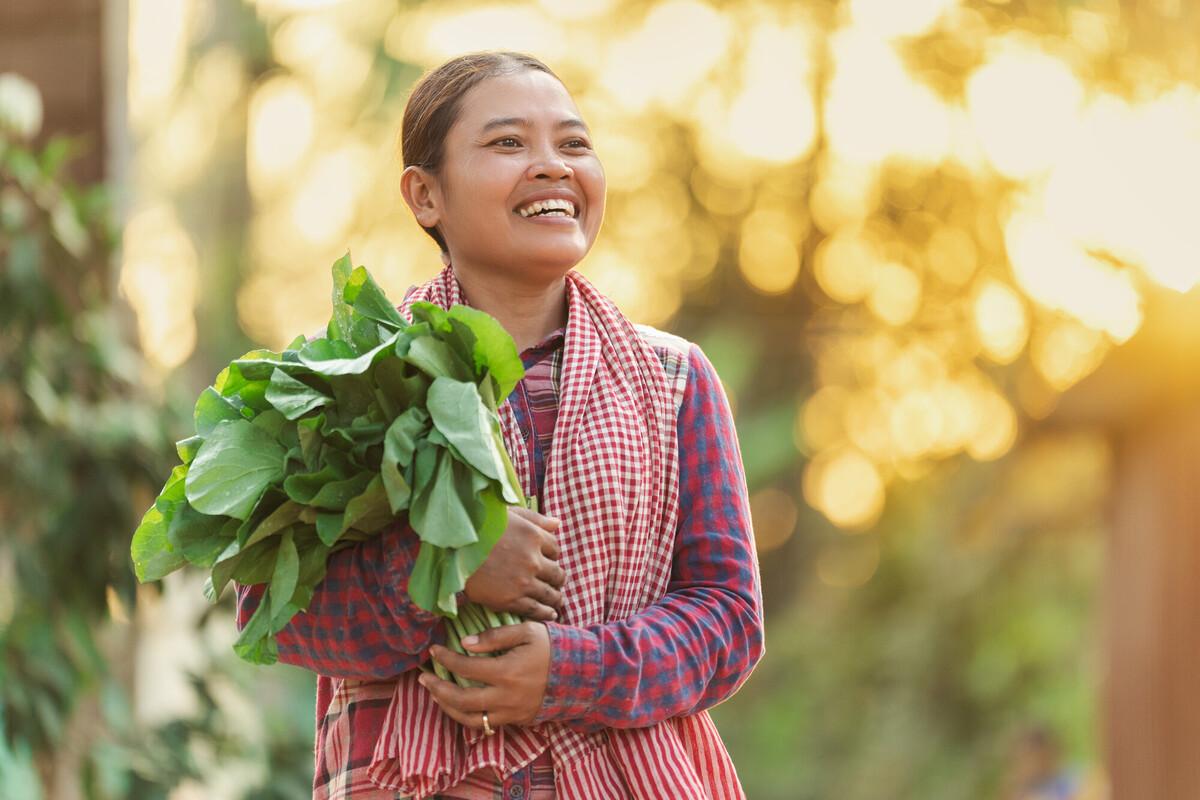
Alice Machegone, 67 years old, founder of “25th June” association and chief of production.

Alice Machegone, 67 years old, founder of “25th June” association and chief of production. Photo: Matthew Willman/OxfamAUS

Creating reliable sources of food and income

Most Mozambicans grow their own food, but natural disasters and climate change threaten food supplies.

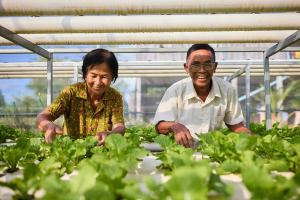
Through local partner, National Union of Small-Scale Farmers (UNAC), we're helping communities in Inhambane province grow more drought-tolerant crops such as pineapples, cowpeas, cassavas and garlic. Traditional crops such as sorghum and millet have also been reintroduced.

Beyond food, we are also helping people to find alternate sources of income. In rural areas, reducing people’s reliance on agriculture is key to their survival.

Supporting communities to manage their own development

We support our partners and community members to become more actively involved in influencing key government decisions that impact on the community.

By monitoring government policy, Mozambicans can hold the government accountable for providing accessible and affordable healthcare, education, water and sanitation.

Through our work with our partners and other Oxfams, we're also improving women's leadership and participation in decision making.

Addressing domestic violence and women’s rights

Since 2003, we have been working to raise awareness of domestic violence and educating women about their rights. Ongoing lobbying aims to amend laws to better protect women.

Through local partner UNAC, our work to train communities about gender issues and actively encourage women's participation, has resulted in women comprising 70% of UNAC’s membership.

Responding to emergencies

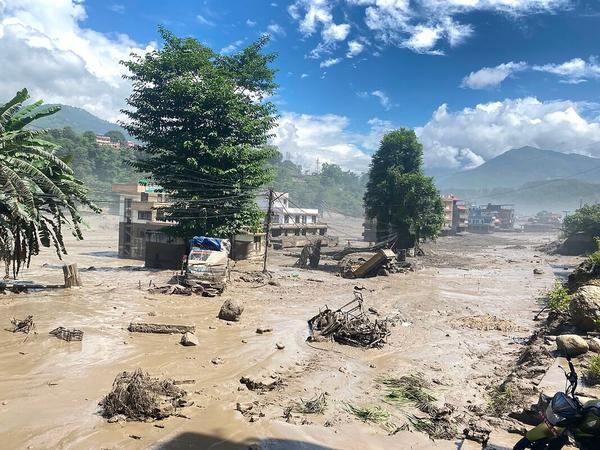
Mozambique is vulnerable to severe droughts, devastating cyclones and floods. In February 2008 floods left 95,000 people homeless, and many lost their crops and livestock.

We provided clean water and sanitation facilities to those forced to live in temporary camps. Our work included digging pit latrines, pumping clean water and promoting public health.

Fast facts

Population below the poverty line:
69.4% (2008)
Infant mortality rate:
107.84 deaths/1,000 live births (2008)
HIV adult prevalence rate:
16% (2007)
Life expectancy at birth:
41.04 years (2008)

Source: CIA World Factbook, UNDP and Mozambique National AIDS Council


Become a regular donor

An ongoing monthly donation will fund long-term projects in poor communities overseas and in Indigenous Australia.