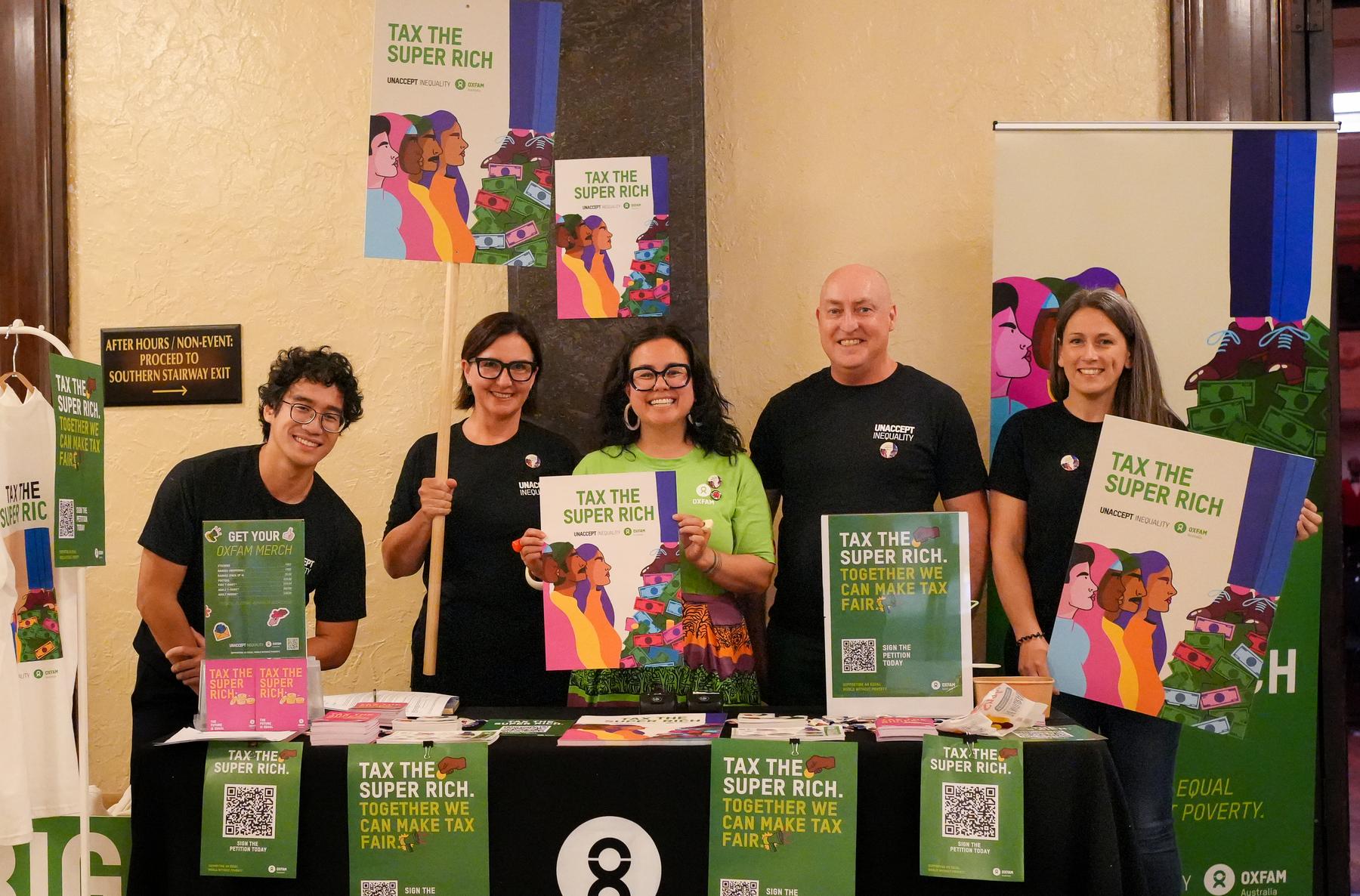
Australia: Oxfam partnered with Gary Stevenson, and brought our Tax the Super Rich campaign, on his tour of Australia, where he shared his message of growing wealth inequality. Photo: Heidi Demond/Oxfam
Our people
With Oxfam, you join a global movement dedicated to ending inequality and poverty.
Executive Leadership Group
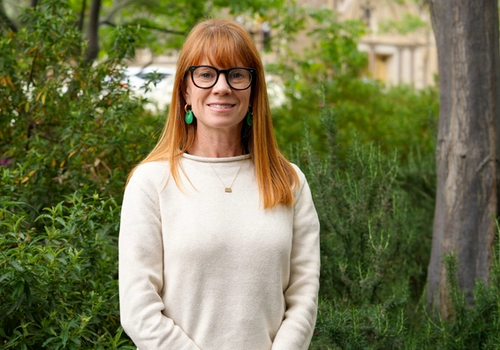

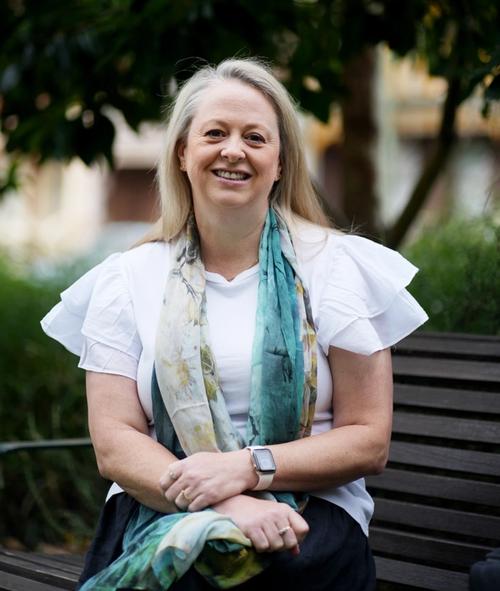
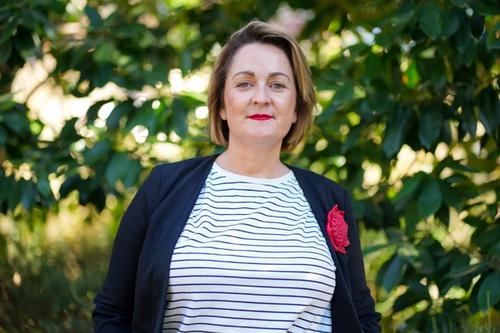
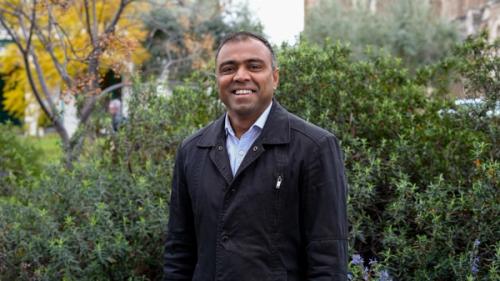
Our management team leads Oxfam Australia’s work by engaging our key stakeholders in setting direction and harnessing the passion and commitment of staff and supporters.
The Board develops policies that set the organisational results that the Chief Executive must achieve and situations and actions to be avoided. The Board authorises the Chief Executive to make all operational and strategic decisions, providing they are done according to the board guidelines and policies the Board sets.
The management team works together to achieve these organisational goals by:
- Providing leadership to individual sections and the agency as a whole
- Creating a supportive, motivating environment for staff
- Ensuring that we work effectively and meet our accountabilities to stakeholders
- Communicating our vision, philosophy and approach
The team meets regularly to address organisation-wide operational and strategic issues.
The Board Chair convenes a small group of Board members to assess the performance of the Chief Executive annually, considering a variety of third-party input received from Board members and staff members who directly report to the Chief Executive.
The Chief Executive conducts a formal performance appraisal with each management team member every year, using the performance management guidelines created for Oxfam Australia staff.
Our board
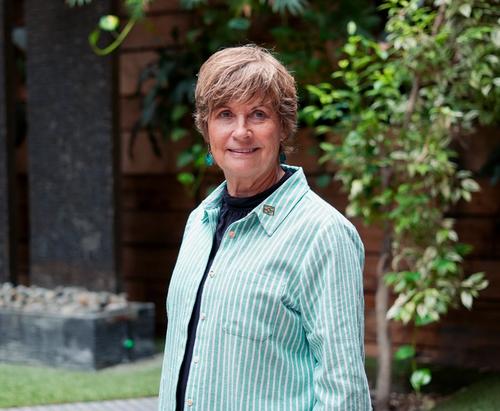
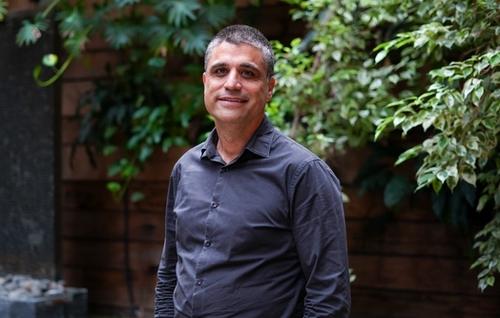
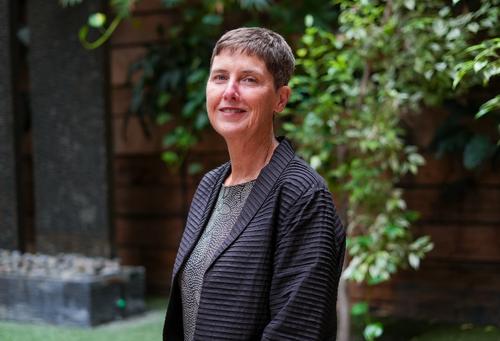
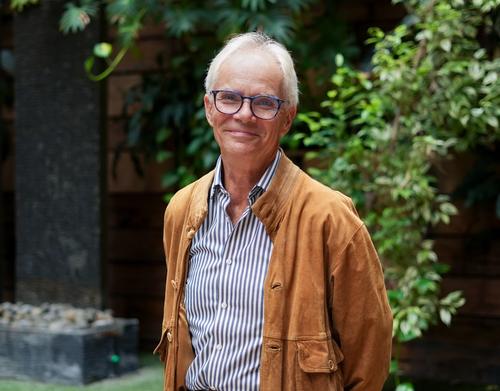
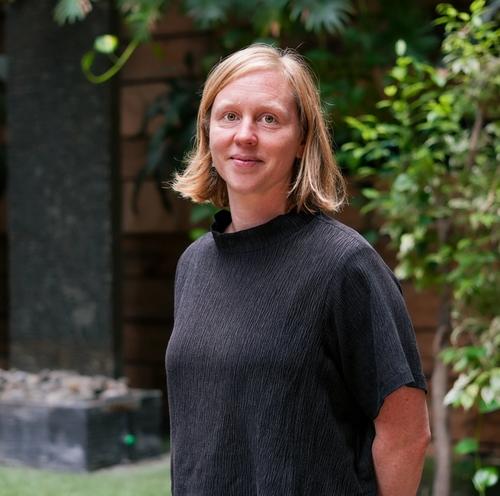
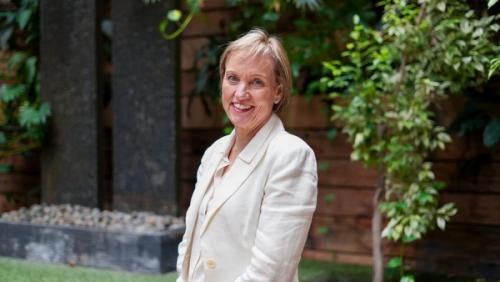


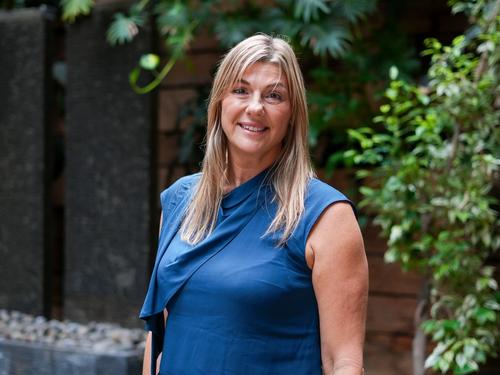
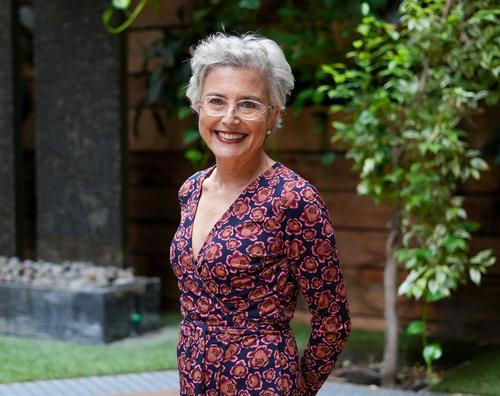
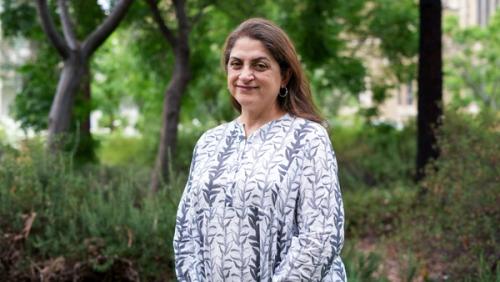
Our Board of Directors is responsible for Oxfam Australia’s overall performance and compliance, providing strategic direction, effective governance and leadership.
Oxfam Australia staff also elect a Staff Participant to the Board who undertakes a two-year term and acts as a staff subject-matter expert, providing advice and insights to support and inform the Board's decision making.
Our Constitution establishes a governance structure for Oxfam Australia in which the management and control of the business and affairs of our organisation is vested in our Board of Directors.
The Board is responsible for:
- setting the strategic direction and policies of the organisation
- monitoring overall organisational performance
- approving and monitoring the annual budget, ensuring overall financial wellbeing, and managing risk
- ensuring effective engagement with stakeholders
- ensuring the organisation meets all regulatory and statutory requirements
The Board appoints the Chief Executive, monitors their performance and delegates to them the organisation’s operational management. The Chief Executive is the Board’s connection to the organisation’s operations and conduct, and they are accountable to the Board for the organisation’s performance.
The roles and responsibilities of the Board are set out in our Board Charter. All Directors agree to abide by our Board Charter, which commits them to performance of their roles and responsibilities with honesty, integrity and respect.
The Finance, Risk and Audit Committee is responsible for assisting the Board in matters related to the ongoing financial condition, budgeting practices, risk management and statutory compliance of our organisation.
The Governance Committee is responsible for assisting the Board to improve its own performance, including through overseeing orientation, training and evaluation of individual Directors, Committees and the Board as a whole.
The Nominations Committee provides oversight of recruitment activities to ensure that Director recruitment occurs in accordance with OAU policy and the Constitution.
The Board generally meets four times annually with a mix of in person and virtual meetings.
The Finance, Risk and Audit Committee, and Governance Committee generally meet four times a year. The Nominations Committee is activated when required.
Appointments to the Board are made in accordance with the Board and Committee Recruitment Policy. Having regard to the importance of diversity in Board composition, a nominations process is undertaken by the Governance Committee, and a preferred candidate/s is endorsed to the OAU Board for consideration
The Board self-assesses its performance at the conclusion of every meeting. It formally assesses its performance at least every two years, with an external review at least every four years.
Our staff
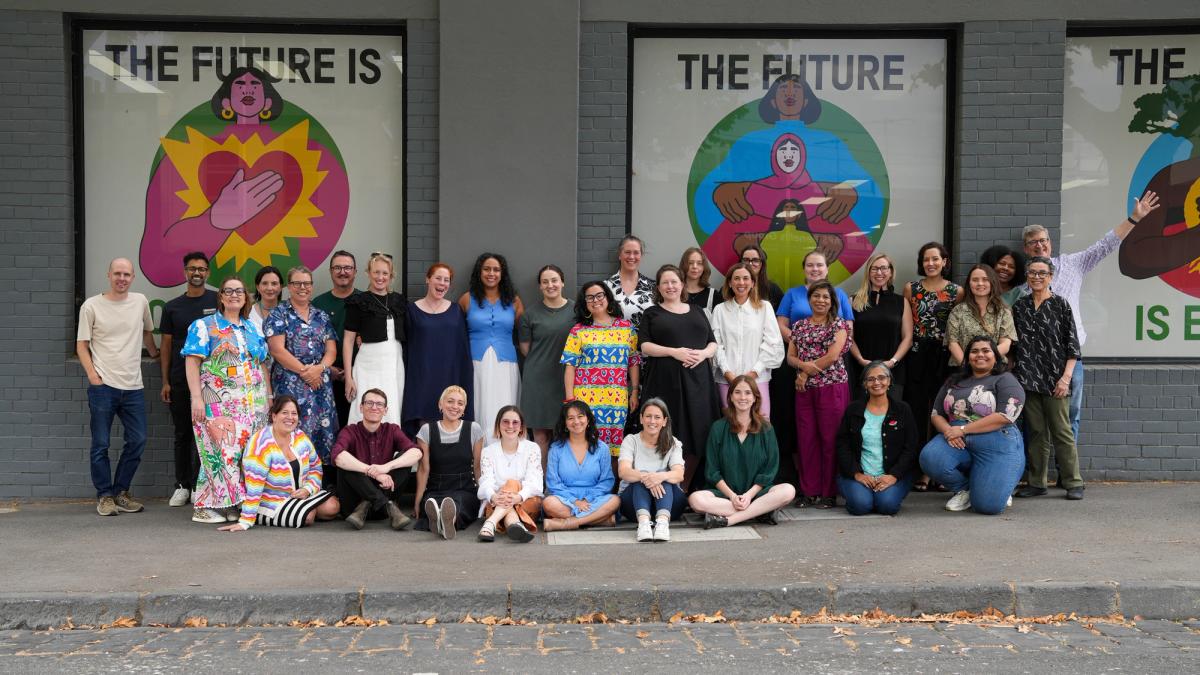
Oxfam staff members gather outside of the Melbourne office. Photo: Heidi Demond/Oxfam
Dedicated staff and volunteers are our greatest asset in our mission to tackle poverty around the world. We invest in them so they can realise their full potential and make a unique contribution to our cause.
Oxfam Australia is an organisation that is about people; our success is dependent on the dedication, engagement and contribution of many people, including our donors, partners, supporters, volunteers and of course — our staff.
Inclusivity is important at Oxfam, and we aim to create a workplace that supports employees and volunteers with disabilities thrive and where diversity of backgrounds and identities is embraced.
A strong commitment to Oxfam Australia’s values will be essential in achieving desired results in all aspects of our work.
These values are:
We believe everyone must be treated fairly and have equitable access to rights and opportunities.
We foster a culture of trust where everyone has the tools, information, and safety to make decisions, take ownership, and grow through learning — including from mistakes.
We collaborate across boundaries and sectors, guided by integrity and shared purpose, to promote human rights, advance justice, and work towards a just and sustainable world.
Ensuring all perspectives are welcomed and valued and calling out exclusionary behaviours when they arise to foster a truly respectful and inclusive workplace.
Inclusivity is important at Oxfam, and we aim to create a workplace that supports employees and volunteers with disabilities thrive and where diversity of backgrounds and identities is embraced.
We act with integrity and take responsibility for following through on our commitments — to each other, to our partners, and to the communities we serve.
We speak up, own our mistakes, and embrace bold, thoughtful action that addresses the root causes of problems and inequity to create meaningful change.
Our experts
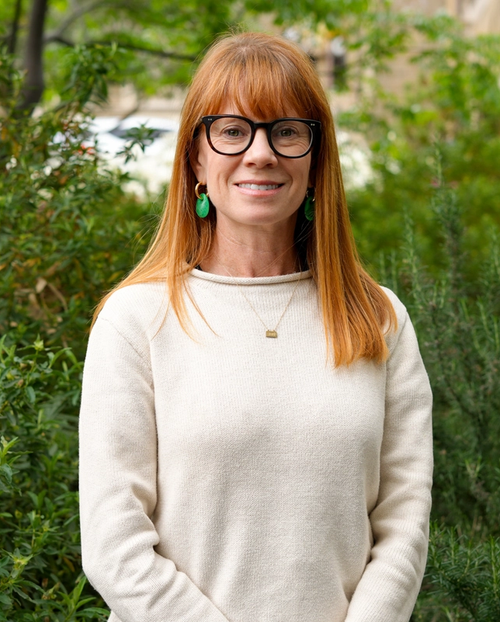

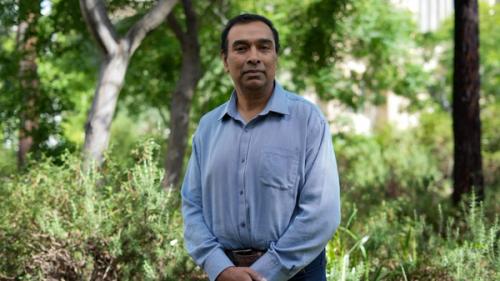
Oxfam staff are able to provide expert comment or background briefings to media on a number of specialist topics. This ranges from country-specific comment to more generic issues relating to our work in areas such as labour rights, impacts of climate change and humanitarian disaster response.
Media contacts


The media team seeks to inform the public about our overseas aid and development programs, our response to humanitarian disasters and our advocacy work on issues such as inequality, labour rights, First Peoples’ rights, and the impacts of climate change in low-income countries.
Oxfam has an extensive library of high quality digital images relating to our work around the world. These images can be accessed by media and educational establishments to accompany editorial relating to Oxfam’s programs, events or advocacy work.
Photos are available in high and low resolution, for print or online usage.
If you are seeking a specific image to illustrate a feature or article then contact the Oxfam media team above.
If you’re an educational establishment seeking images contact Oxfam’s Content and Editorial team.
How you can help
Join Oxfam today and help communities all over the world live free from poverty.

Stay up to date with our news, programs and appeals.