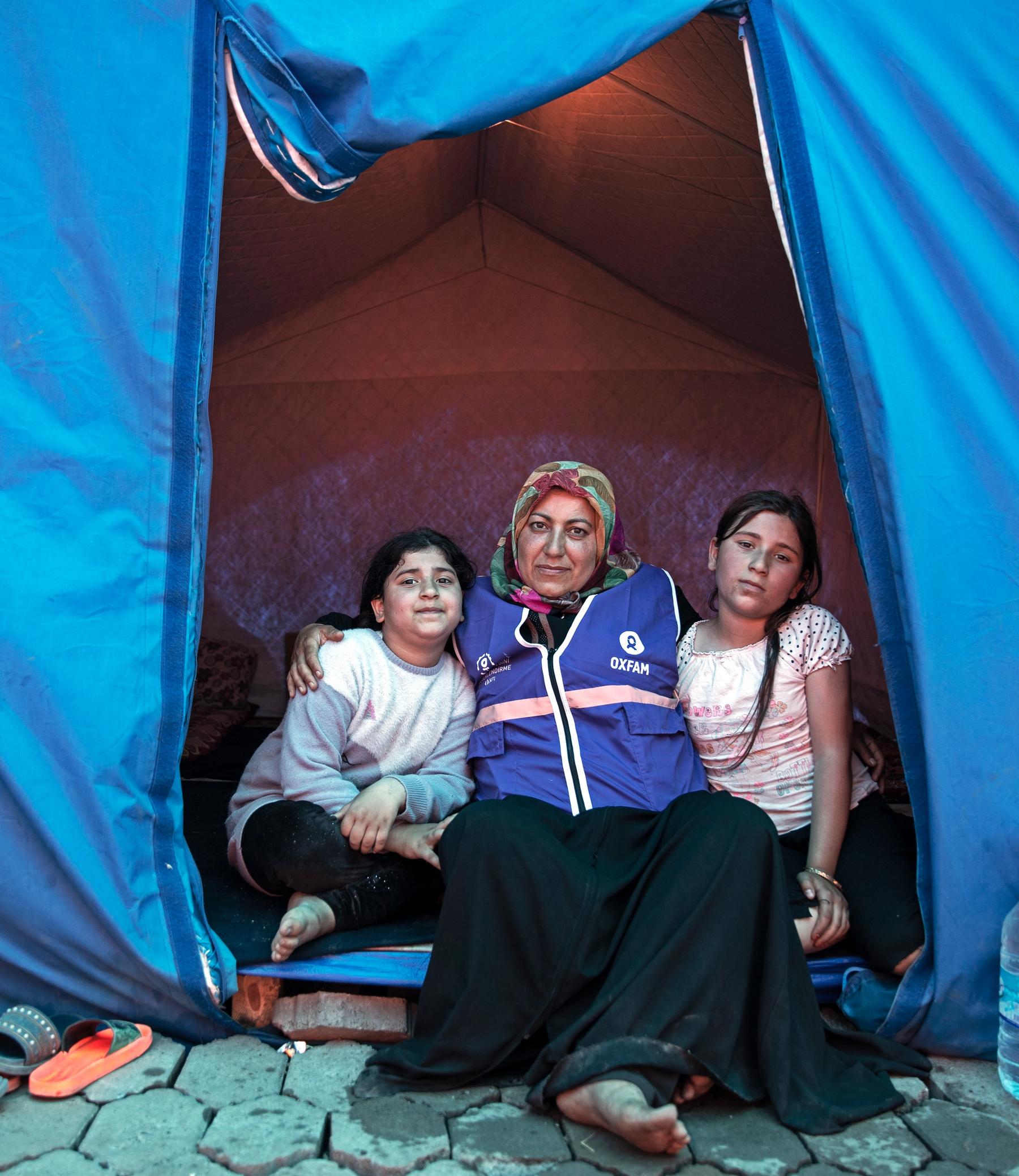
More than 13 million people in East Africa are facing desperate food shortages following the worst drought in 60 years. Rains have failed for successive seasons, and families across Somalia, Ethiopia and Kenya are struggling to find anything to eat or drink. Hundreds of thousands of livestock have already died and food prices have rocketed.
The affected area
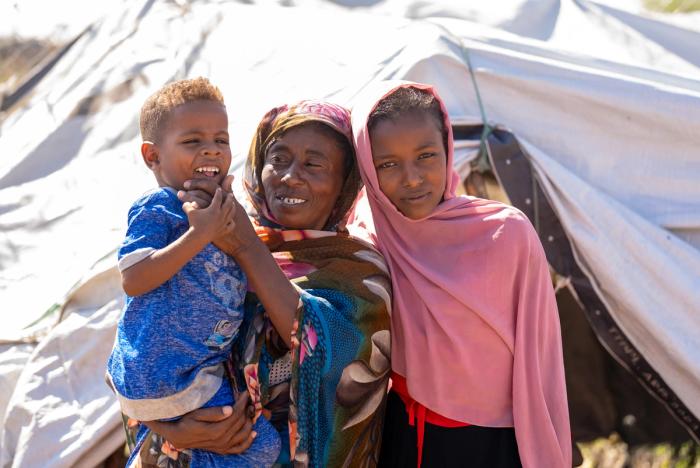
Thousands of people are leaving their homes every day in search of better conditions elsewhere, often walking for weeks only to arrive at overcrowded refugee camps.
The crisis is likely to continue longer than originally anticipated — according to the FAO (Food and Agricultural Organization), below-average rainfall is predicted for the November-to-January rains in south and central Somalia. Emergency conditions could persist well into 2012 in southern Somalia, and recovery may not start until the next harvest in August 2012.
What Oxfam is doing
We're working directly, and with partners, in the region and have reached more than 2.5 million people with life-saving water, basic sanitation and food since July. Our aim is to eventually support 3.5 million people in need. Beyond their immediate needs, we're also assisting communities to build resilience against similar situations in the future.
View Oxfam in the Horn of Africa in a larger map
Ethiopia
The cyclical failure of seasonal rains and the onset of drought has led to severe food shortages across the country. This is particularly disastrous for Ethiopians because more than 80% of people live off the land. As a result they've been unable to grow food to earn an income and are therefore dependent on food aid for survival. However, recent rains across the country have brought renewed hope, and we expect that the food security situation may improve.
Meanwhile, we're responding to the food crisis in three regions: Somali, Oromiya and Tigray, and are aiming to reach around 1 million people with clean water, basic sanitation, and veterinary support.
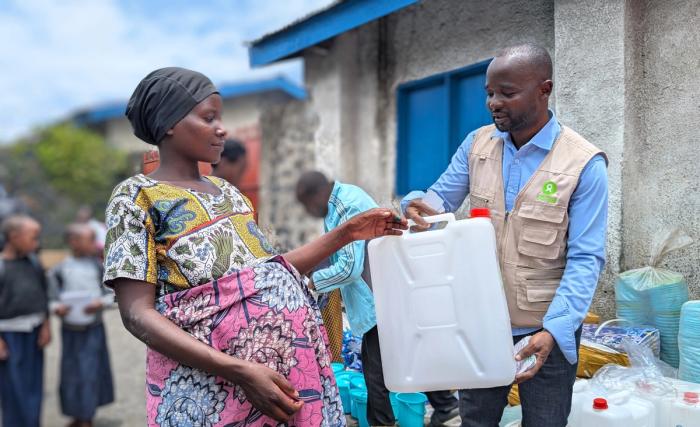
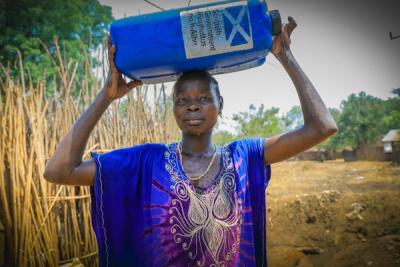
We're helping communities look for more sustainable sources of water, by drilling boreholes, developing motorised water schemes and improving traditional water harvesting systems. In the driest and worst affected areas we have been trucking in emergency water supplies to more than 32,000 people. Community health workers also conduct public campaigns to help stop the spread of water-borne diseases such as diarrhoea.
Disease can spread quickly among animals too, particularly as they get weaker due to the impact of the drought. Most people in these areas depend on their livestock, and we're ensuring that 500,000 heads of cattle have access to water, pasture, vaccinations and medical treatment.
We're also providing “cash-for-work” projects for locals to help clean local reservoirs and build latrines, and have trained community officers on efficient management of water sources.
Around 1,000 Somali refugees arrive each day at the Hiloweyn camp, in Dollo Ado, Ethiopia. It’s a race against time to install water tanks and tap stands so people can access water as the camp swells in size.
Somalia
Somalia remains the epicentre of the emergency: 4 million are affected by drought; and UNHCR estimates about a quarter of the population (1.8 million) have been displaced by the crisis, both within Somalia and to neighbouring countries, as people search for life-saving assistance. Although Somalia's recent downgrade from famine status to 'very critical food crisis' is good news, the situation there is still severe and our support is as crucial as ever.
Throughout the country, we've now reached more than 1.5 million people with various programs that include water and sanitation services, constructing new boreholes, rehabilitating existing ones, building latrines, and distributing basic hygiene kits to people. We've implemented cash distribution programs, allowing the most vulnerable people to swiftly meet their basic food needs. Overall, these cash transfers have assisted close to 400,000 displaced Somalis.
Our partners operate the largest therapeutic feeding program for children and mothers which admits more than 3,000 malnourished, dying children every week, the largest in Mogadishu. More than 100,000 children have been treated at the site this year. We are also assisting more than 60,000 people who have fled drought zones of southern Somalia and have arrived in the capital.
Oxfam has been working in Somalia for more than 40 years, and our strong relationships with our local partner organisations have meant we've been able to scale up our operations in this time of crisis. However, for there to be any hope of stabilisation and recovery, the fighting in Somalia must end.
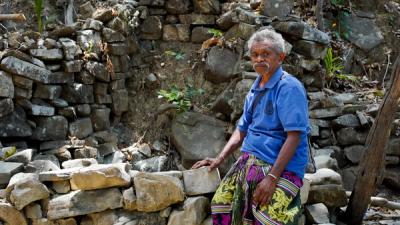
The village of Waridaad in Somaliland has been hard-hit by the current drought and food crisis. View our slideshow below, featuring some of the villagers' stories.
Kenya
Photo: Andy Hall/Oxfam
The UN and other agencies are now reporting that 3.75 million Kenyans in rural areas affected by drought are now “extremely food insecure”.
Since 1 July, Oxfam has supported more than 960,000 pastoralists and refugees with essential water, sanitation and hygiene activities as well as desperately needed food distributions and cash transfers.
Our relief response in north Kenya’s Dadaab refugee complex continues. Our team is building communal toilets, drilling boreholes, installing pipes and tap-stands to supply clean water and providing basic sanitation supplies. Meanwhile, relocation to the Ifo II extension has begun and Ifo III is continuing to grow. Families have also started to be moved into a fourth camp, Kambioos. We are working hard to provide water and sanitation services in Ifo III and currently provide water to over 12,000.
Recent heavy seasonal rains have brought some relief from the drought, but have also caused serious flooding.
Some of the other projects we've been involved with since 2008 include:
- Supported women’s weaving groups in Wajir with income-generating activities
- Run community cash for work schemes in Wajir to build water storage facilities
- Supported income-generating activities for community groups and individuals in Turkana
- Helped people in Turkana to establish viable and sustainable businesses
Learn more
To find out more download our East Africa fact sheet.
Read our report that calls for a radical shake-up of the international aid system Band Aids and Beyond.
How you can help
Don't want to donate online? You can also donate at any Oxfam Shop, or Westpac branch.
Fundraise for us
Like to run an event in your community, school, or workplace to raise funds for the East Africa Food Crisis Appeal? It’s easy – just head to our community fundraising page.
Conditions of use
When you contribute content to our site, you retain ownership of the copyright. You also grant permission to Oxfam Australia to display and distribute your content, and to use it for any promotional purpose, without remuneration, compensation, or payment of royalties.
In addition, you are responsible for the content of your material. Oxfam Australia takes no responsibility for the content of any messages or information posted by contributors.
Oxfam Australia retains the right, in our sole discretion, to review, edit or delete any material which we deem to be illegal, offensive or otherwise inappropriate.