Major earthquake in Haiti

Oxfam has helped over 200,000 people with clean water, sanitation, and the provision of basic supplies, since the Haiti earthquake struck. Oxfam's work is now focusing on rebuilding Haiti and making sure that Haitians are a part of their country's rebuilding process.

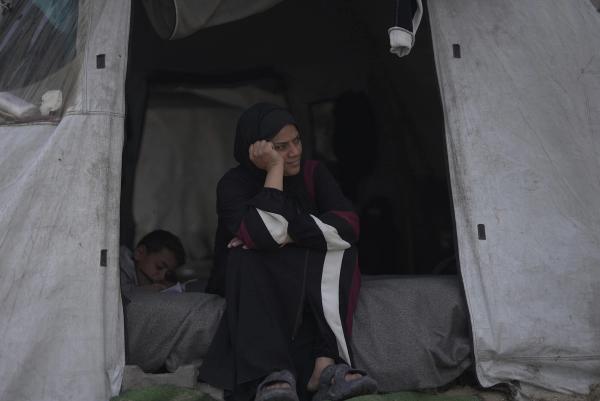
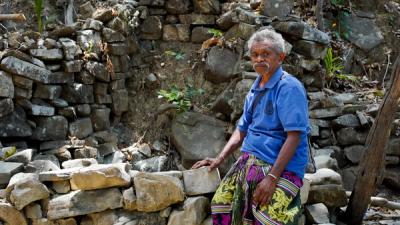
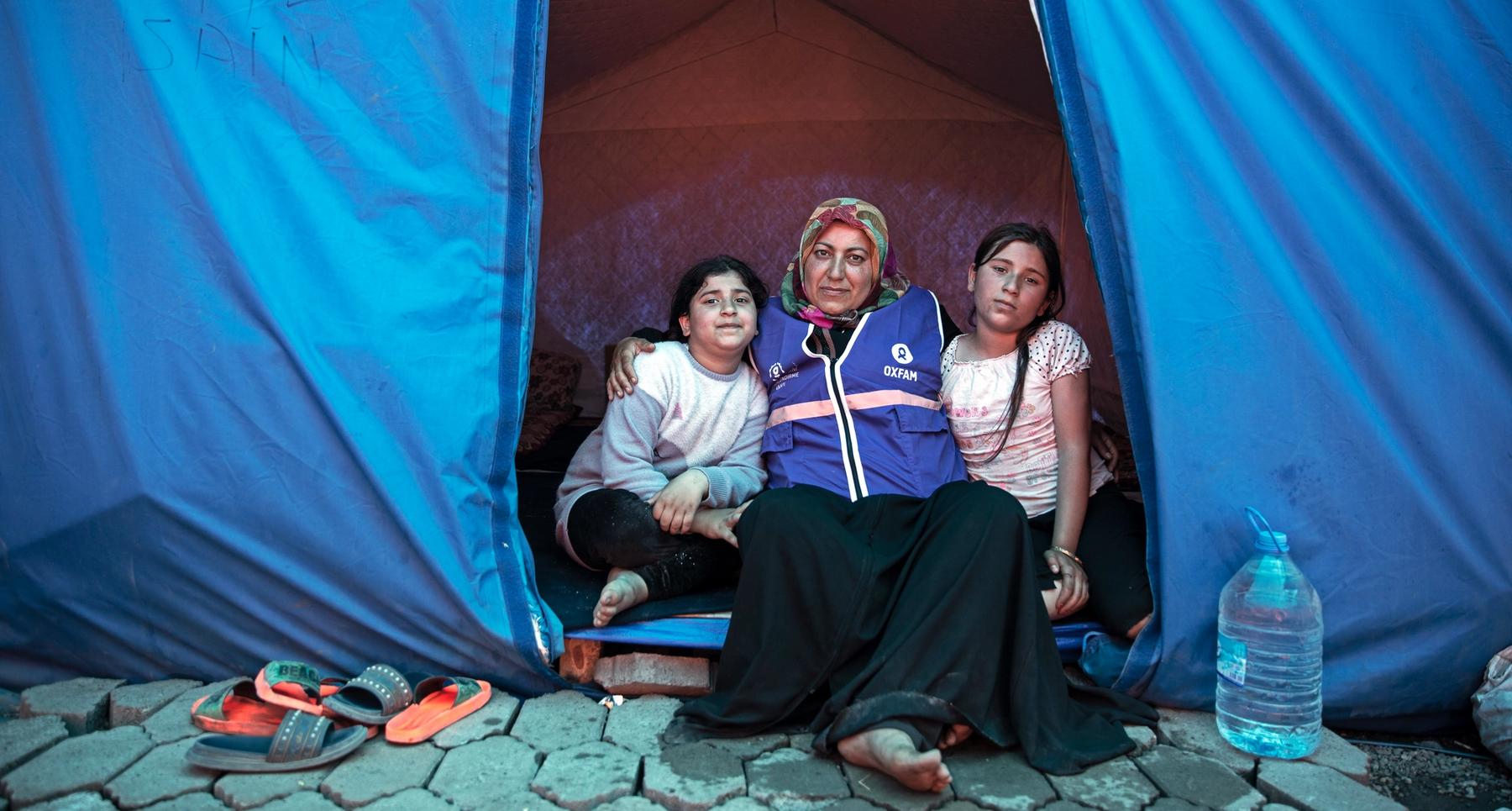
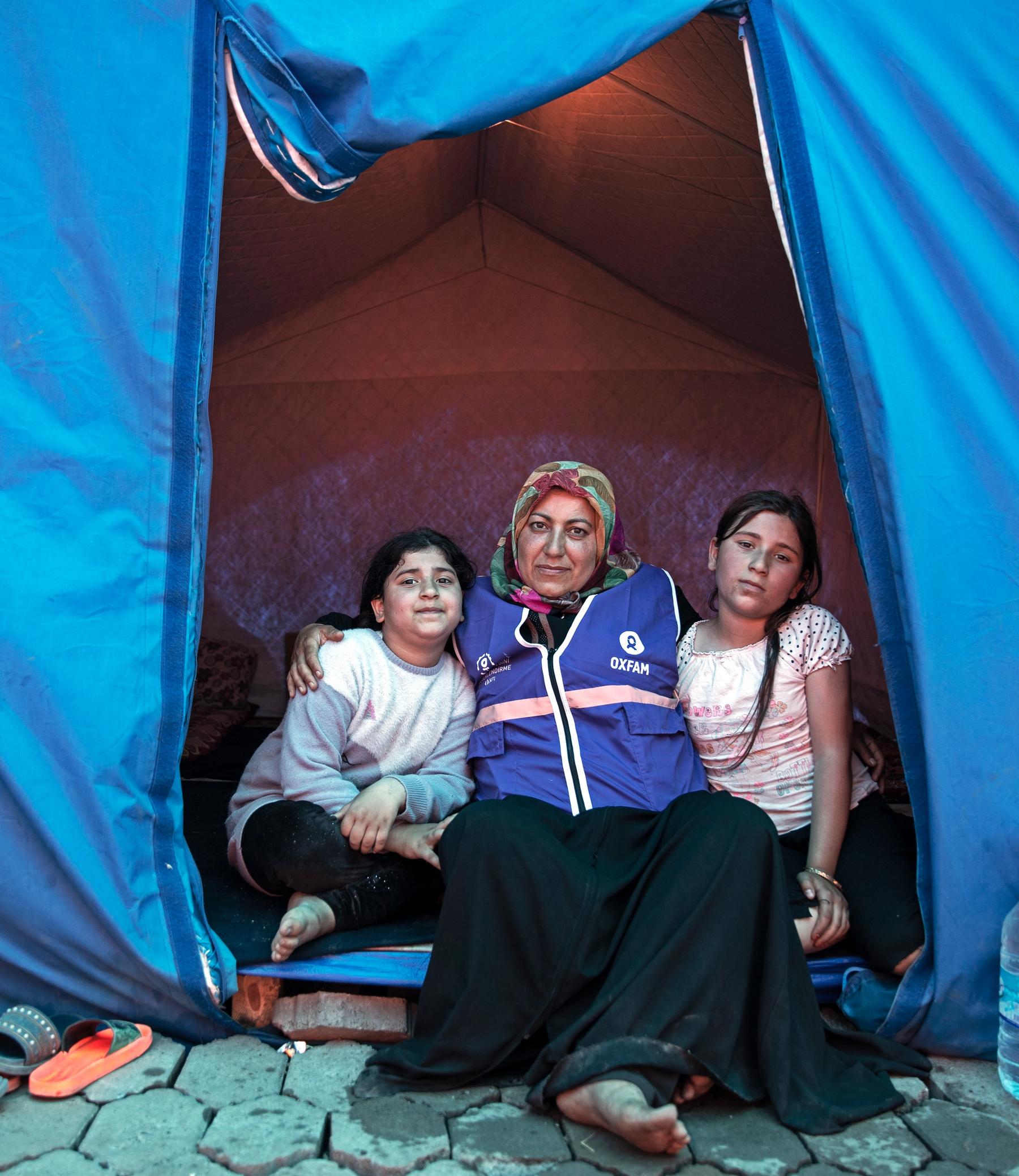
Earthquake survivors in Port-au-Prince. Photo: Kenny Rae / Oxfam America

The earthquake that hit Haiti on Tuesday 12 January, 2010, measured 7.3 on the Richter scale and killed an estimated 230,000 people leaving millions of others homeless.

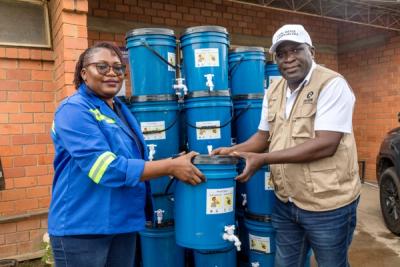
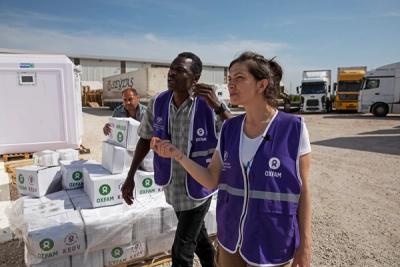
Our work is focusing on sanitation and shelter and, as most people lost everything, we're also providing family kits with basic kitchen and hygiene items.  In the temporary camps many people are now living in, we're paying people to help keep them clean, so they can earn desperately needed money to buy food and other necessities.

Progress has been made but there is still "a mountain to climb" in Haiti

We now need a surge in effort to improve sanitation facilities for people in Haiti. Let us not kid ourselves that this is going to be easy, it requires a Herculean humanitarian effort from all quarters.

– Richard Young, Oxfam Australia's Emergency Manager

While there has been progress with the distribution of clean water and food, there are concerns about the lack of sanitory conditions.The rainy season has started and there are fears that water-borne diseases could spread due to poor drainage, lack of toilets and crowded living conditions. Oxfam is working to install more toilets and public health teams are helping clear rubbish in order to reduce the risk of disease.

Shelter is also a concern – it is estimated only 30 to 35 per cent of those needing shelter have been reached. We have plans to provide shelter to 28,000 people over the next five months by providing further sheeting and tents.

Looking beyond emergency relief, we're now also focusing on "building back better". The scale of the devastation, and the level of poverty, in Haiti is such that all money received is being channelled into long-term rehabilitation. Haiti will need our help for many years to come – the official estimate is 10 years at this stage.

Cash-for-work

Oxfam's cash-for-work scheme is paying people to clean up the camps – this allows people to purchase food from markets which have now re-opened. It also gives them a sense of purpose as most people have no jobs and nothing to do. Our experience has shown us that people prefer money to goods or food, that way they have the power to buy the provisions they need. Already 2,000 people have been reached, putting sorely needed money into the pockets of men and women.

Watch our cash-for-work scheme in action:

Follow updates from Oxfam staff in Haiti

Oxfam's five priorities for Haitian reconstruction

Beyond meeting the immediate needs of people, Oxfam is advocating that long-term reconstruction must focus on five key areas:

  • Debt cancellation
  • Support for Haitian farmers and small business
  • Ensure poor areas benefit from cash grants to speed economic recovery
  • Support for civil society and the Haitian government
  • Build back better, for example earthquake proof buildings and alternative fuel sources to reduce deforestation

Haiti: at-a-glance

Haiti is the poorest country in the western hemisphere, where 85% live below the poverty line and four million are unemployed. The country has limited disaster management and poor services, which leaves them more vulnerable than other countries. The scale of this disaster is hard to really comprehend — one-third of the country’s entire population has been affected.

Oxfam has been working in Haiti for more than 30 years, providing livelihood programs and hurricane relief. We have 65 years of experience responding effectively to catastrophic emergencies around the world.

View photos from Haiti

You can help

While our Haiti earthquake Appeal is now closed, you can donate to our International Crisis Fund so we can respond quickly to future emergencies when they occur.