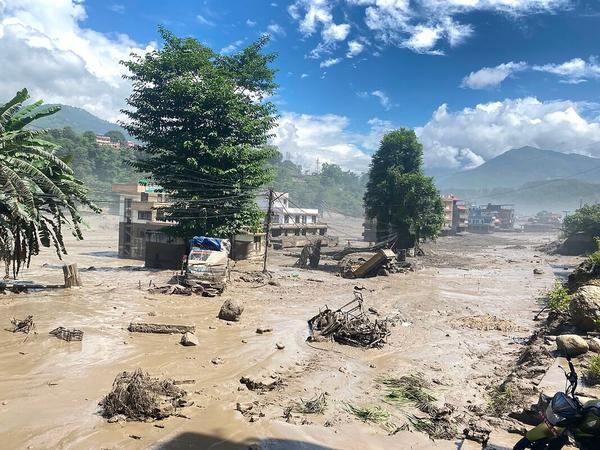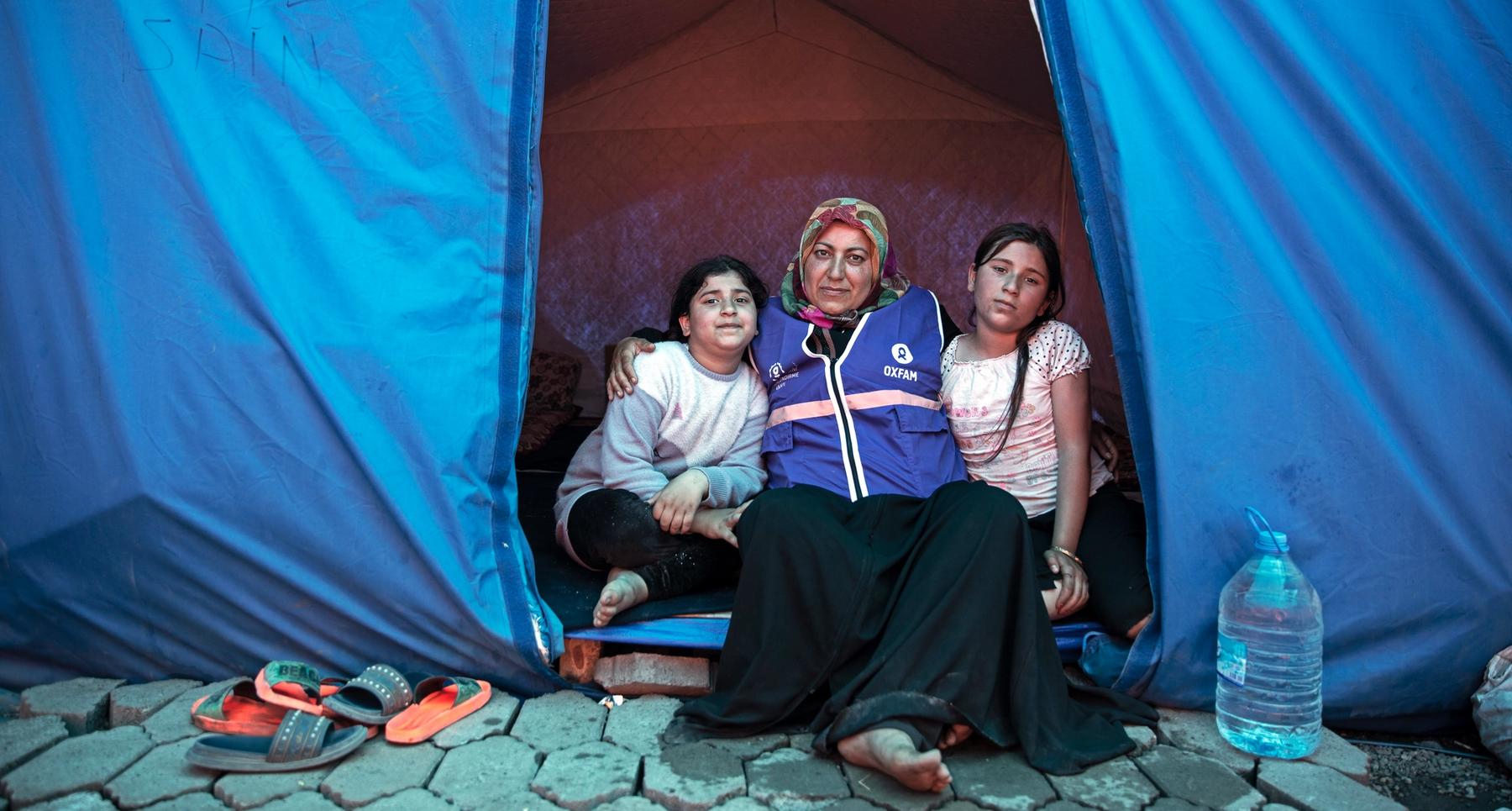
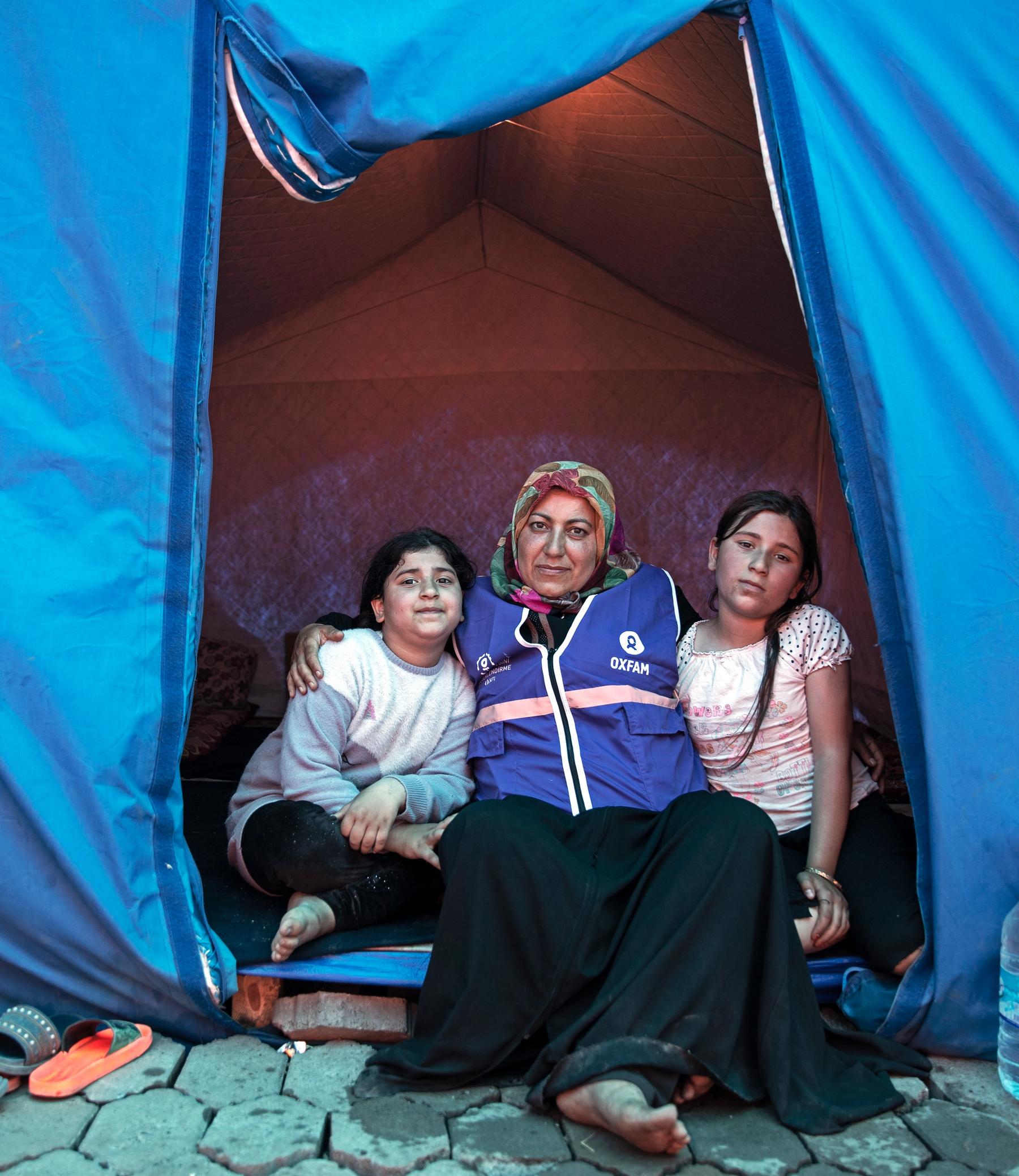
More than 9 million people have been affected by this year’s monsoonal flooding in Pakistan, with the risk of a public health outbreak and widespread malnutrition rapidly increasing. The flooding has occurred primarily in the southern province of Sindh.
Approximately 6 million acres of land have been damaged by the floods (an area nearly as large as Haiti), and in Sindh province 73 percent of crops have been destroyed. Nearly 1.6 million homes have been damaged or destroyed in Sindh, leaving 700,000 people homeless.
“The resilience of Pakistanis has been pushed over the edge by two floods in a row,” says Neva Khan, country director of Oxfam in Pakistan. "They have lost their crops, homes and livestock for the second time.”
More than three months into the disaster, a large majority of people is still in need of urgent humanitarian assistance. The funding to this disaster has been extremely sluggish. Aid efforts of the UN agencies, Oxfam, the government of Pakistan and other humanitarian agencies are under threat as funds are depleting fast and new contributions are not coming in fast enough.
What Oxfam is doing
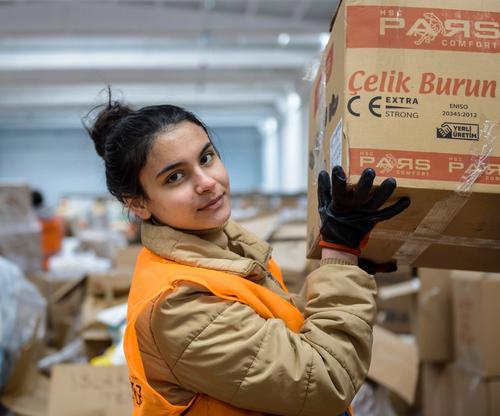
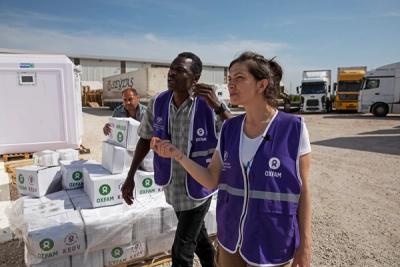
Oxfam has launched an emergency response in Sindh province to assist those affected by the floods. So far we've reached more than 1.1 million people with our emergency response, providing clean water supplies, sanitation facilities, hygiene promotion, hygiene kits, kitchen kits, animal fodder and tool kits.
Over the coming months, we're aiming to reach almost 4 million people, and will expand our cash-for work and income generation activities.
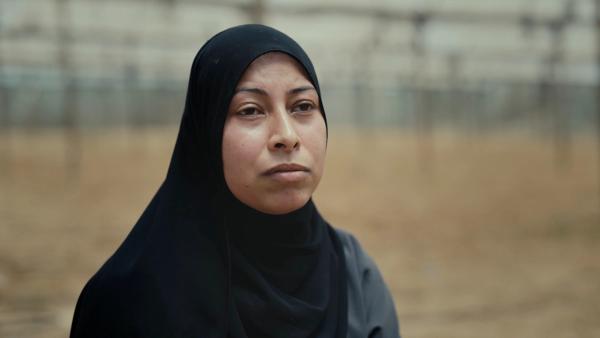
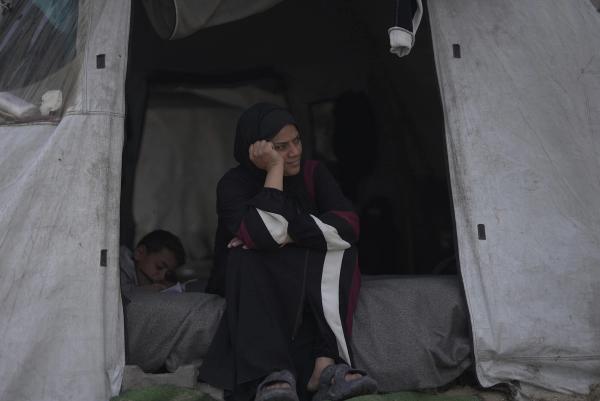
In November 2011, Oxfam produced the following documentary, which tells the stories of four women affected by the floods.
A country unprepared
In a recent report, Oxfam called on the government of Pakistan to do more to protect its people from disasters such as these. For example, river embankments in Sindh province have reportedly been increased by only two or three feet after last year’s floods, rather than the recommended six feet.
We’re asking the Pakistan government and international donors to invest more in measures to reduce the impact of disasters, such as flood-resistant housing and effective early warning systems.
- Download the report (PDF 1.9 MB)
- Download the report summary (PDF 559 KB)
What you can do
You can help us respond to emegencies like this by making a one-off donation to our International Crisis Fund.
Or make a monthly donation to Oxfam Emergency 365, and help our response teams save lives every day of the year.
Images of the 2010 floods
Conditions of use
When you contribute content to our site, you retain ownership of the copyright. You also grant permission to Oxfam Australia to display and distribute your content, and to use it for any promotional purpose, without remuneration, compensation, or payment of royalties.
In addition, you are responsible for the content of your material. Oxfam Australia takes no responsibility for the content of any messages or information posted by contributors.
Oxfam Australia retains the right, in our sole discretion, to review, edit or delete any material which we deem to be illegal, offensive or otherwise inappropriate.