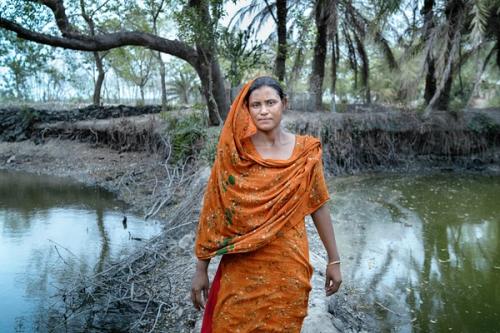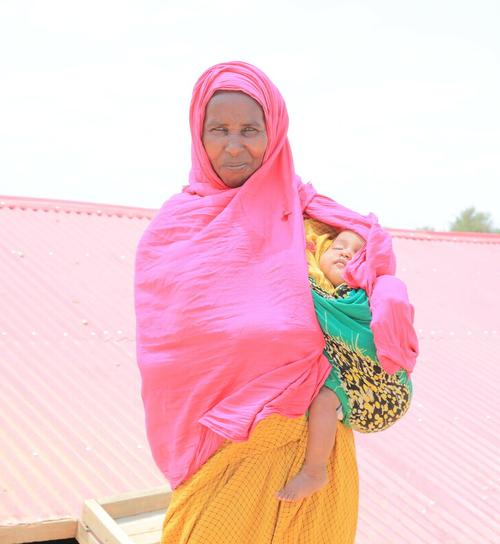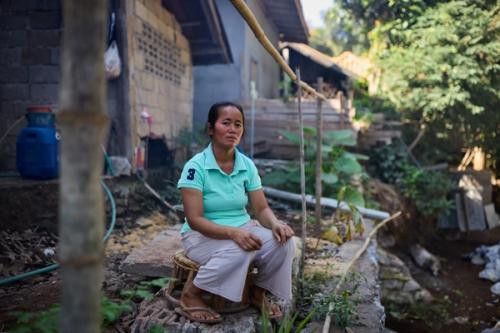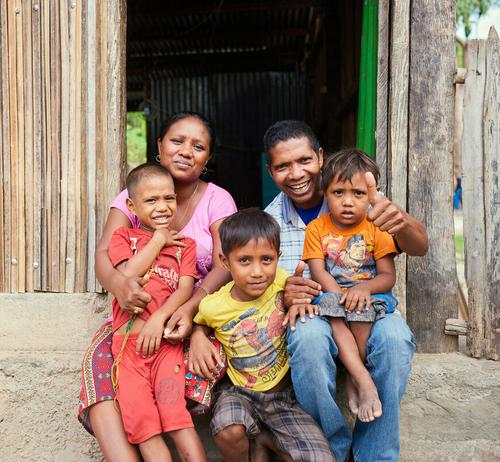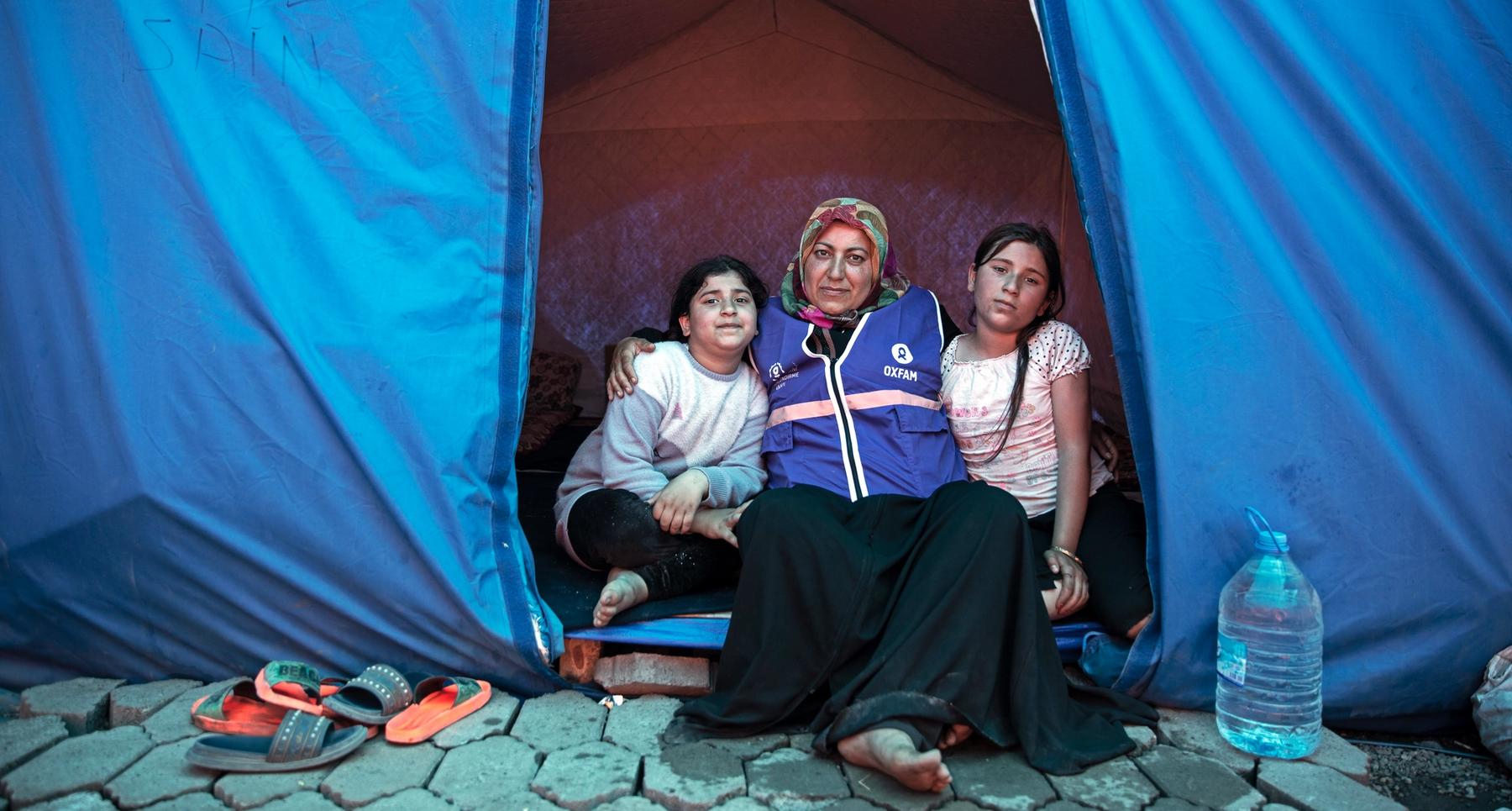
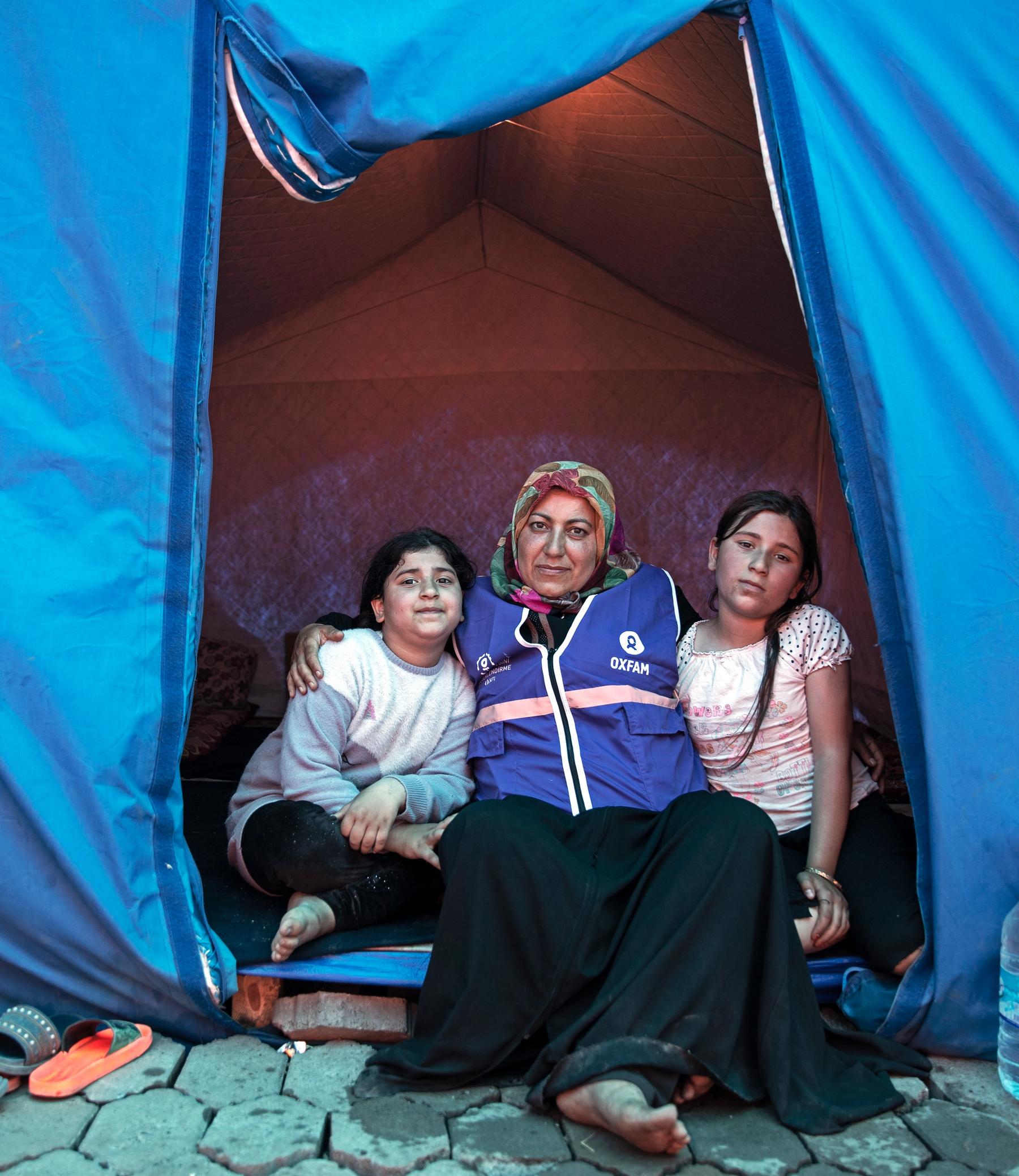
Turkiye: Family which stays in the camp posing for the camera together. Photo: Delizia Flaccavento/Oxfam
Humanitarian aid
Oxfam delivers life-saving aid with local partners and helps communities rebuild after crises.
1.3 Million
people reached with life-saving aid during humanitarian responses
22
emergencies were responded to in 2024-25
660,200+
women were supported with aid during emergencies
1.3 Million
people reached with life-saving aid during humanitarian responses
22
emergencies were responded to in 2024-25
660,200+
women were supported with aid during emergencies
Past emergencies
Syria crisis
Emergency response to the crisis
2.4 million
people reached in 2024 and 2025 alone
Pakistan floods emergency
Emergency response to the disaster
669,340
people reached since 2022
COVID-19 emergency
Emergency response to the crisis
More than 14 million
people reached across 68 countries since 2000
Cyclone Idai
Emergency response to the disaster
739,495
people reached across Malawi, Mozambique and Zimbabwe since 2019
Indonesia tsunami
Emergency response to the disaster
More than 100,000
people reached since 2018
El Niño food crisis
Emergency response to the crisis
12,193
people reached in Zimbabwe since 2017
Cyclone Winston
Emergency response to the disaster
20,229
people reached in Fiji since 2016
Cyclone Pam
Emergency response to the disaster
More than 27,000
people reached in Vanuatu since 2015
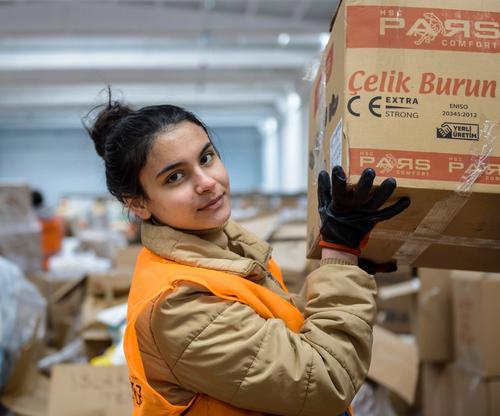
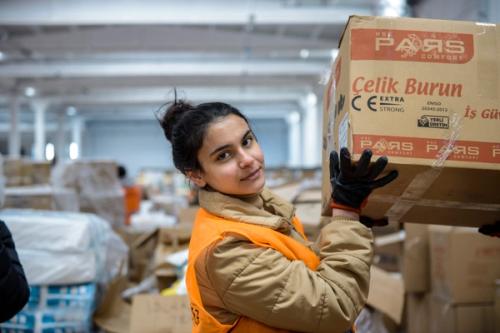
Turkiye: Oxfam KEDV staff and volunteers are working with other NGOs to help organize items in AFAD (Afet ve Acil Durum Yönetimi Başkanlığı - Disaster and Emergency Management Presidency) distribution centers and facilitate the delivery of this aid to affected populations. Photo: Tineke Dhaese/Oxfam
OUR APPROACH
When a humanitarian crisis strikes — like a flood, famine or conflict — we immediately respond with our local partners, providing life-saving support such as clean water, food, emergency shelter and sanitation facilities.
Once the immediate danger has passed, we work with local communities to rebuild lives and reduce the risk of future disasters.
How does Oxfam deliver humanitarian aid?
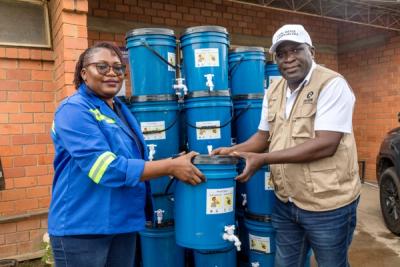
Zambia: Dr Gladys Muyembe and Eric Sitali (Business Development Manager, Oxfam in Southern Africa) outside Kamwala Health Clinic in Lusaka, Zambia on 12th January, 2024. Photo: Loliwe Phiri / Oxfam
1) Helping in crisis
In a world overwhelmed by crises, Oxfam, alongside local partners, delivers life-saving support exactly where and when it’s needed. We help people in distressing situations to survive, rebuild, and recover, ensuring they overcome challenges and emerge stronger than before.
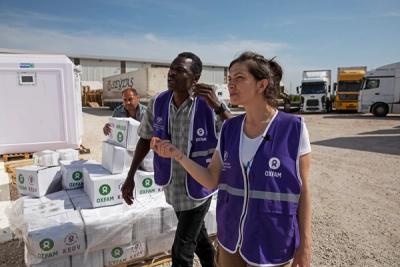
Türkiye: Oxfam Staff members of KEDV discussing matters to efficiently coordinate the emergency support in the camp. Photo: Delizia Flaccavento/Oxfam
2) Saving lives
When disasters and conflicts strike, Oxfam springs into action, providing vital aid to save lives. We’re there at the crucial moments, alongside local partners delivering the support needed to protect those at greatest risk.
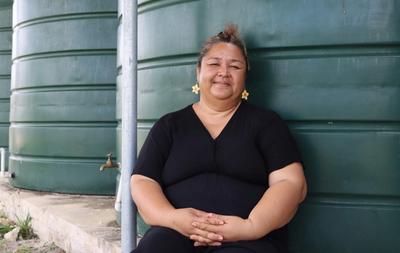
Tonga: Teisa Alifeleti (48) sits next to the water tanks that serve Pangai district in low-lying Ha’apai Island. She is the office manager for Oxfam’s local partner in the region the Ha’apai Youth Congress (HYC), which works with other CSOs to train local people to coordinate their emergency response efforts for better outcomes.
3) Building resilience
When people have the tools to take care of themselves, they can overcome crises. Oxfam works with local partners help people build this resilience, giving communities the strength and confidence to face future challenges and thrive without outside support.
Ensuring equal access to safety and services
Everyone has the right to food, water, healthcare and shelter. But when disaster strikes, millions of people can be left without these essentials. Those who are marginalised in a community — such as women and girls or people living with a disability — are at even greater risk during times of disaster.
We partner with local organisations because they are at the forefront of a crisis and know what their communities need. This means it’s the communities who make and implement important decisions about their own health and wellbeing.
We also listen to the lived experience and priorities of communities impacted by inequality and crises, and we respond by offering our resources rather than setting the agenda. We are answerable to these communities and they are at the centre of our responses.
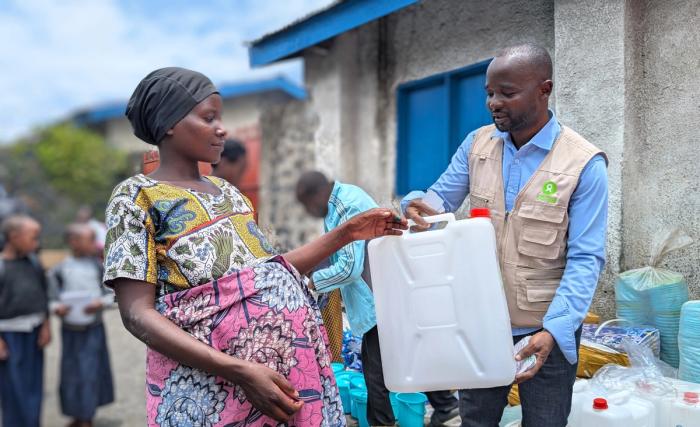
The Democratic Republic of the Congo: Muhawe Myriam Charmante receiving Non-Food Item kits from Oxfam staff. Photo: Yves Kalwira/Oxfam
Transforming the humanitarian system
In times of crisis, long before help arrives from the outside world, people act to protect themselves and their families from hunger, disease and harm. Local knowledge and community connections are critical to disaster response and recovery.
Our humanitarian response is guided by local knowledge and needs, community participation, accountability, and the inclusion of marginalised groups in decision-making processes. We also advocate for a shift in power and resource allocation to local and national organisations.
Millions of lives could be saved every year if more governments took action to protect and assist civilians caught up in war and disaster. As champions of justice and equality, we advocate for systems and laws that protect people in times of conflict to be upheld and function properly. Often, this means putting pressure on governments to respect and act according to their obligations.
We also lobby for improvements in the quality of humanitarian assistance provided by the international community; in terms of how hunger is addressed, how funding mechanisms work and how well humanitarian relief is coordinated.
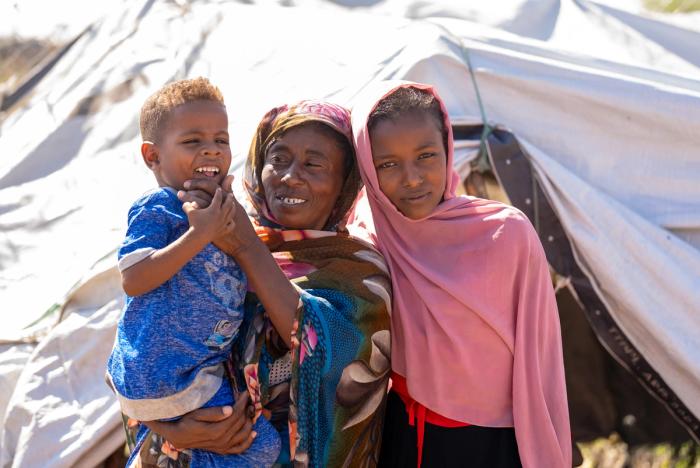
South Sudan: Asia* stands with her mother, Suad, at their home in Renk, South Sudan. They are among nearly a million people displaced by the ongoing conflict in Sudan. Photo: Herison Philip Osfaldo/Oxfam
Long-term recovery and resilience
Our initial humanitarian response focuses on saving lives and meeting immediate needs. We then work with communities and local partners to plan long-term recovery.
This might include helping families diversify their livelihoods and reduce the impact of future disasters. We also work with national authorities and local organisations so they will be better able to respond to, and recover from, future humanitarian crises.
Humanitarian aid facts
1 in 23
people globally needs humanitarian assistance and protection (UN OCHA).
1%
of the world’s population is displaced from their homes (about 79 million people), and about 42% of them are children (UN OCHA 2022).
108M+
people had been forcibly displaced from their homes at the end of 2022 because of persecution, conflict, violence or human rights violations (UNHCR).
339M+
people will need life-saving humanitarian aid as climate change-fuelled disasters rise (UN OCHA).
216M+
people may have to move within their own countries by 2050 due to the effects of climate change (World Bank 2021).
Frequently asked questions
A humanitarian emergency or crisis refers to conflicts, wars and disasters such as floods, fires, cyclones, earthquakes, landslides and volcanic eruptions. Climate change is increasing the number and severity of many disasters and intensifying conflict over natural resources.
Humanitarian emergencies can be complex and long-term such as protracted conflict, or sudden-onset emergencies such as floods or earthquakes.
A humanitarian is a person who seeks to promote human welfare and improve the lives of others, often through charitable work or advocating for social justice, economic equality, human rights and relief efforts. Humanitarians typically focus on supporting communities impacted by poverty, war, natural disasters, or social inequalities.
The purpose of humanitarian aid is to save lives and meet immediate needs during times of crisis or disaster. A humanitarian response includes the delivery of humanitarian relief items such as food, clean water, shelter and healthcare.
Humanitarian crises can include war and conflict, floods, cyclones, earthquakes or volcanic eruptions. Climate change is increasing the number and severity of humanitarian crises by creating more severe weather events, sea level rise and increasing the demand for natural resources.
Humanitarian aid often involves the delivery of essential and lifesaving food, water, shelter and medicine. It also incorporates activities that increase protection and safety for people in times of crisis.
Humanitarian aid workers are skilled and trained professionals who work with humanitarian organisations to deliver humanitarian assistance.
To become a humanitarian aid worker, a candidate generally needs an undergraduate degree. Some organisations also recruit skilled professionals — like engineers or healthcare workers — who are deployed to emergency situations to supplement the local response team.
Oxfam is supporting community-level peace-building projects to prevent conflicts. We are also reducing the risk and impact of disasters by helping at-risk communities adapt to climate change as well as ensuring they’re equipped to cope with any kind of disaster.
We draw on our experience and knowledge of disaster and conflict causes and dynamics to influence and improve the way the international community prevents, prepares for and responds to crisis. We promote adherence to international laws that protect the rights of people caught up in crisis. We also hold UN member states accountable to these laws and their responsibilities to protect and assist civilians.
Learn more
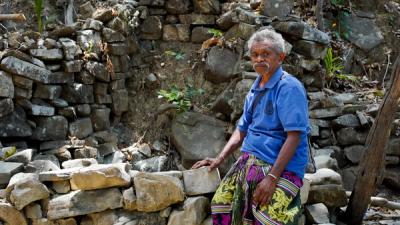
Timor-Leste: After undertaking training with Oxfam partner, AFFOS, Domingos helps to maintain the local water springs and pond reservoir as part of a Disaster Ready group in his community. The water from this pond is used to irrigate the community's vegetable garden. Photo: Aderito do Rosario da Cunha Mambares/Oxfam. Oxfam acknowledges the support of the Australian Government through the Australian Humanitarian Partnership (AHP).
Disaster risk reduction
Disaster Risk Reduction (DRR) aims to reduce the damage caused by natural hazards like earthquakes, floods, droughts, and cyclones, through prevention.

South Sudan: 35-year-old Nadia Zahad, a refugee from the Sudan war, recounts how she lost her entire family to the conflict. Now displaced in South Sudan, she is focused on rebuilding her life with her son, Ismail. Photo: Herison Philip Osfaldo/Oxfam
Refugees
For the first time in recorded history, more than 100 million people have been forcibly displaced from their homes.
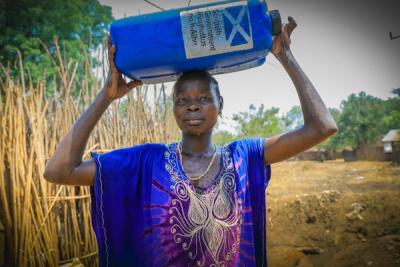
Ethiopia: Adugk, 35, fled the conflict in South Sudan to find refuge in Gambella. With the help of Oxfam, she is able to easily access and collect water. Photo: Liban Hailu/ Oxfam.
Water sanitation and hygiene
It’s all too easy to forget what a miracle water is. With a water supply on tap, food can grow, and people can thrive. Water is life.
How you can help
Join Oxfam today and help communities all over the world live free from poverty.