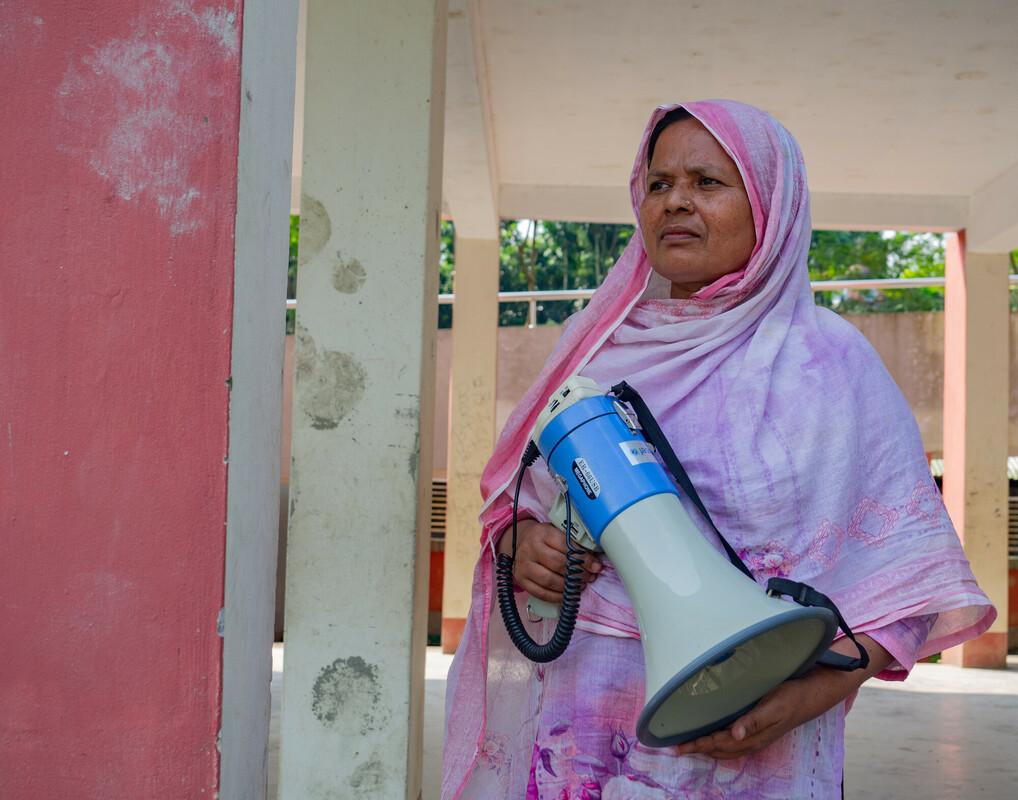
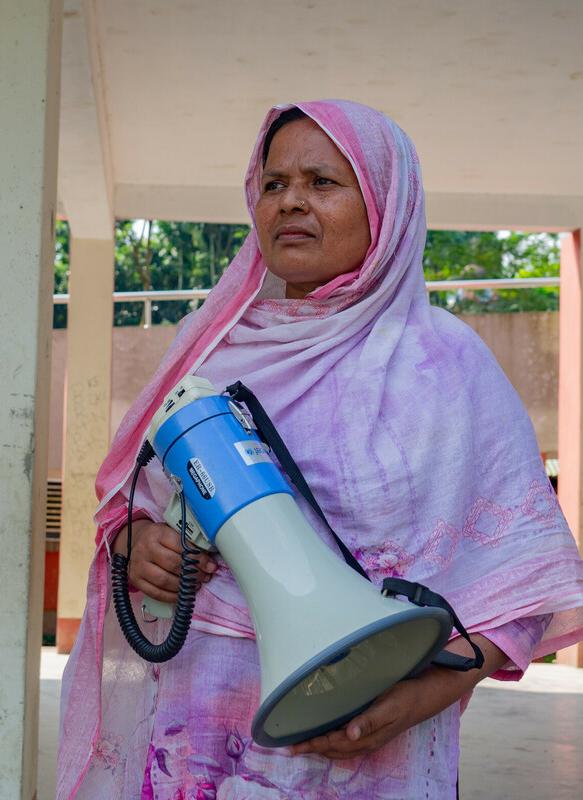
Bangladesh: With help from Oxfam partner JAGO NARI, Dulu Begum has become a community leader and an outspoken advocate for reducing disaster risks. Photo: Elizabeth Stevens/Oxfam.
Gender equality
We seek gender equality because all lives — hers, theirs and his — are equal.
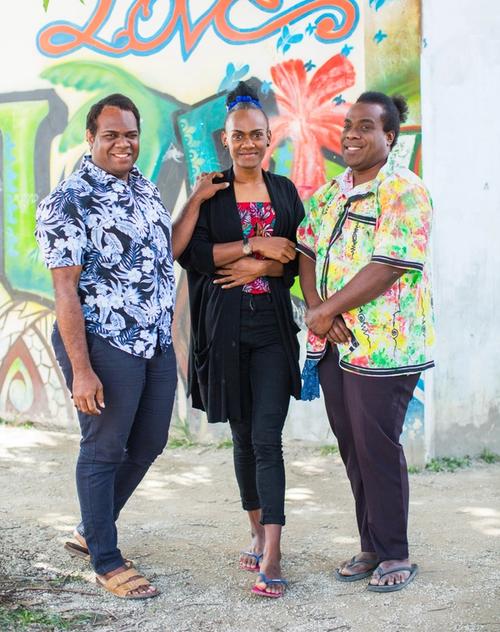
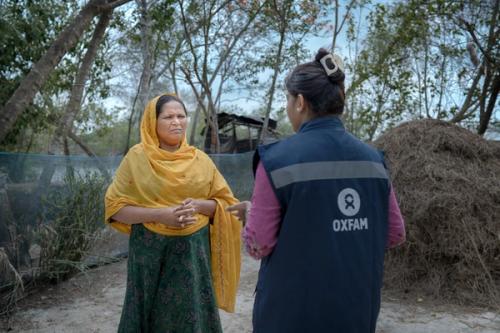
Vanuatu: Yannick, Ivanka and Peter outside the Vanuatu Pride (VPride) office. Photo: Arlene Bax/Oxfam. Oxfam acknowledges the support of the Australian Government through the Australian NGO Cooperation Program (ANCP).
OUR APPROACH
Gender equality is achieved when people of all genders and sexual orientations have the opportunity to exercise and enjoy equal rights.
All around the world, women, girls and people of diverse genders and sexualities are more likely than men to face discrimination and violence, and to live in poverty. They are also less likely to have the power to change their circumstances.
Gender inequality is a human construct, and we can overcome it. It is caused by gender bias in our systems, structures and attitudes, which create an environment where women, girls and people of diverse genders and sexualities are denied their rights to learn, earn equal pay and hold leadership positions.
Oxfam Australia recognises that many factors drive discrimination, including colonisation, location, social class, (dis)ability status, age, language, ethnicity, sexual orientation and gender identity. As identities are complex and overlapping, a person might face multiple forms of exclusion. For example, someone from a minority gender, sexual identity or racial background, who also has a disability, faces multiple disadvantage when it comes to enjoying equal rights.
Economic empowerment and equal opportunities
Women and girls face discrimination at home, at school and in the workplace, which means they do not have the same opportunities as men to earn a fair income. Girls are less likely to go to school, and women and girls largely bear the responsibility of unpaid care and household work.
To achieve gender equality, girls must be able to attend school alongside boys. Women, LGBTQIA+ people and people living with a disability must have the opportunity to develop the skills they need to earn an income.
Ending violence
Violence against women, girls, people from diverse genders and sexualities and people with disabilities is one of the most common human rights abuses in the world. To combat this violence, Oxfam Australia advocates for stronger laws that protect everyone, and we work with authorities to ensure these laws are enforced.
In many instances, we work in communities where prejudice and gender roles are deeply entrenched and result in harmful practices and social norms. We work together with men, women, LGBTQIA+ people and people with disabilities to understand, challenge and change the harmful attitudes and behaviours that lead to inequality.
In partnership with local rights-based organisations, we provide critical support and safe places for survivors of violence to go. When women, people of diverse genders and sexual orientations, and people with disabilities can live free from the threat of violence they will have the chance to live life to their full potential.
Challenging patriarchal structures
Our society is built on systems and structures that keep women, people of minority genders and sexual orientations and people with disabilities living in poverty. To achieve gender equality, representatives of all these communities must be at the table where decisions about their lives are made. That’s why we support programs that connect people from these groups with opportunities to gain the skills and confidence to speak up, be counted, lead and drive change.
For women and girls, the time they devote to caring and domestic work often leads to them missing out on career and leadership opportunities. Oxfam works with families to help them navigate a new way of distributing unpaid work.
When diverse sexuality and gender identity leads to discrimination, people’s right to make decisions about their bodies, sexuality, identity and intimate consensual relations are violated. That’s why a critical part of Oxfam’s work challenges legal and social barriers. We advocate for the rights of people in LGBTQIA+ communities and work in solidarity with LGBTQIA+ groups.
How is Oxfam promoting gender equality?
At Oxfam, we ensure that all our work, and the way we do it, contributes to gender equality by transforming the balance of power between men and people of other genders.
This means consulting people of all genders and sexual orientations and considering their different needs and perspectives in our work. This way, we ensure that our programs help change existing gender imbalances. Our work towards gender justice falls into the following primary areas:
- Women’s economic empowerment
- Women’s participation and leadership
- Ending violence
- Promoting the rights of people of all genders and sexualities, and people with disabilities
how we help
Together with local organisations and governments, we promote women's rights and gender equality across the globe
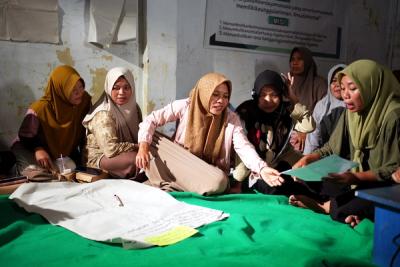
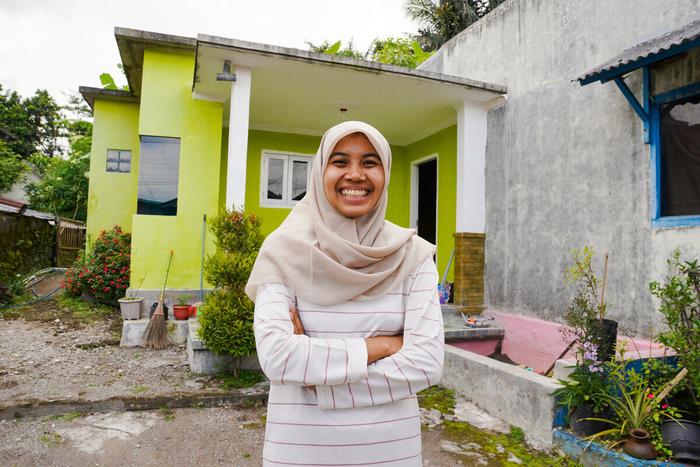
Indonesia: Sekolah Setara (Equality School) is empowering women of this village to raise their voice and advocate for their needs. Photo: Aimee Han/Oxfam. Oxfam acknowledges the support of the Australian Government through the Australian NGO Cooperation Program (ANCP).
In Indonesia, we're supporting gender-just energy transitions to reduce poverty, cut environmental emissions and strengthen gender equality.
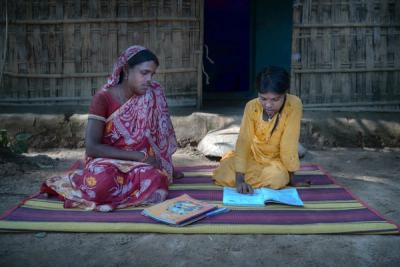
Bangladesh: Munni with her daughter. Munni is a tea garden worker and earns just 170 Taka [AU$2.30] per day. She has to take out loans in order to buy groceries and then struggles to pay these loans back. Munni attended training run by Oxfam partner organisation, Breaking the Silence, and says she has gained courage through this training. Photo: Fabeha Monir/Oxfam. Oxfam acknowledges the support of the Australian Government through the Australian NGO Cooperation Program (ANCP).
In Bangladesh, we're advancing equality by supporting women and gender-diverse people to lead, earn and live free from violence.
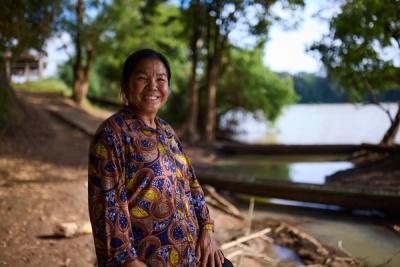
Cambodia: Nang Noy, Khmer community leader (Sesan River, Cambodia) and 3SPN Program Manager trains and coaches other women to advocate for community issues with local authorities. Recently, a banana company stopped pumping water thanks to provincial government intervention and their ongoing advocacy work. Photo: Patrick Moran/Oxfam
In Cambodia, we're supporting women to take part in local decisions and influence development that affects their lives.
gender equality facts
2.4 Billion
women of working age are not afforded equal economic opportunity (United Nations, 2024).
Studies reveal that LGBTQI+ people experience extremely high rates of violence all over the world.
What Works to Prevent Violence,
2022
Globally, 66 countries criminalise consensual, same-sex sexual activity and 14 countries criminalise the gender expression/identity of transgender people.
What Works to Prevent Violence,
2022
More than 230 million girls and women alive today have undergone female genital mutilation.
World Health Organization
2024
Women are particularly at risk of poverty between the ages of 25 and 34, when they are most likely to have young children.
UN Women
2021
Today, nearly 120 million girls do not go to school.
Malala Fund,
2024
Frequently asked questions
Oxfam recognises gender equality as full equality and equity between women, people of diverse genders and sexual orientation, and men. This means that in all areas of life, women and people of diverse genders and sexual orientation are equal with men and have an equal say in defining and shaping the policies and decisions that affect their lives, and society as a whole.
Gender equality is a human right, yet all over the world, women and people of diverse genders and sexual orientation face discrimination because of their gender. Gender inequality is the reason that more women and girls, and people of diverse genders and sexual orientation live in poverty, do not go to school, and experience violence.
Gender discrimination can directly affect a person’s ability to access and control resources, such as money and services. This explains why gender and poverty are so connected. Often, we work in regions where harmful attitudes about gender are deeply entrenched. So, we make sure we engage whole communities to question and tackle the beliefs and behaviours that perpetuate inequality.
We also support projects around the world that empower people from sexual and gender minority communities and tackle the belief systems that stop these communities from having opportunities to participate equally in the world around them.
Women’s empowerment refers to actions that promote the development of women’s skills, knowledge and confidence to equally engage in education, work and decisions that impact their lives.
The Women’s Empowerment Principles were developed by UN Women and the United Nations Global Compact to guide business on how to advance gender equality and women’s empowerment.
The seven Women’s Empowerment Principles are:
- Create high-level corporate leadership for gender equality.
- Treat all people fairly at work, respecting and supporting non-discrimination and human rights.
- Ensure the health, wellbeing and safety of all workers, whether male or female.
- Promote education, training and professional development for women.
- Implement supply chain marketing practices and enterprise development that empower women.
- Champion equality through community initiatives and advocacy.
- Measure and report publicly on progress to create gender equality.
1 in 4 women and 1 in 13 men in Australia have experienced sexual violence in their lifetime (ABS, 2021).
Women of all ages in Australia spend nine hours a week more than men on unpaid work and care work (ABS, 2021).
Women approaching retirement in Australia have 23.1% less superannuation than men of the same age (ATO, 2020).
Girls are less likely to go to school than boys because families experiencing poverty may prioritise educating their sons over their daughters, or schools may not be equipped with sanitation facilities to make school a welcoming place for girls.
Yet educating girls is one of the most direct ways to overcome poverty. Educated girls become educated women, who are more likely to lead healthy and productive lives and pass those benefits on to their own children.
At Oxfam, we believe that achieving gender equality means including people from all genders and sexual orientations in all aspects of society. It means appointing women and people of diverse genders and sexual orientations to more leadership roles. It means ending the sexual and physical violence that people in these communities face and providing access to reproductive health care for women and appropriate sexual health services for everyone. And it means working with men and boys to debunk beliefs and systems that oppress women and people of diverse genders and sexual orientations.
- Challenge yourself to have a conversation with people around you about the importance of tackling gender inequality. We know tricky conversations are hard — but they are a great opportunity to change someone’s mind.
- Ask yourself if there is an equal division of labour in your own home or workplace. If you notice imbalances, try to have an open and honest conversation with those around you about the changes you’d like to make.
- Be brave. Call out discriminatory behaviours impacting you or the women and sexual and gender minority communities around you.
- Support Oxfam’s work around the world with a donation. We ensure that all of our work and the way we do it contributes to gender equality by transforming the balance of power between women, gender non-binary people and men.
How you can help
Demand gender equality, end discrimination and support women everywhere to live free from poverty.
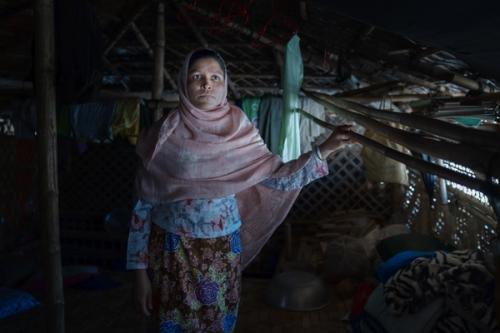
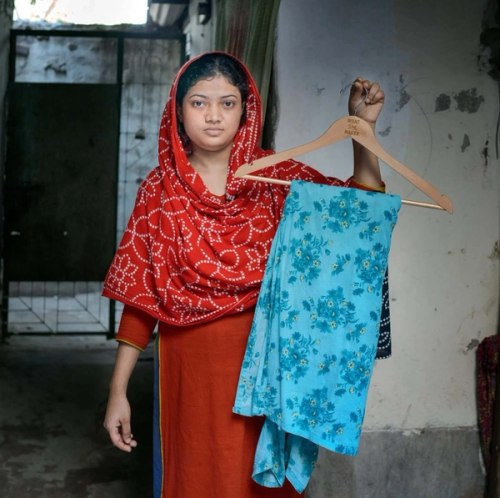
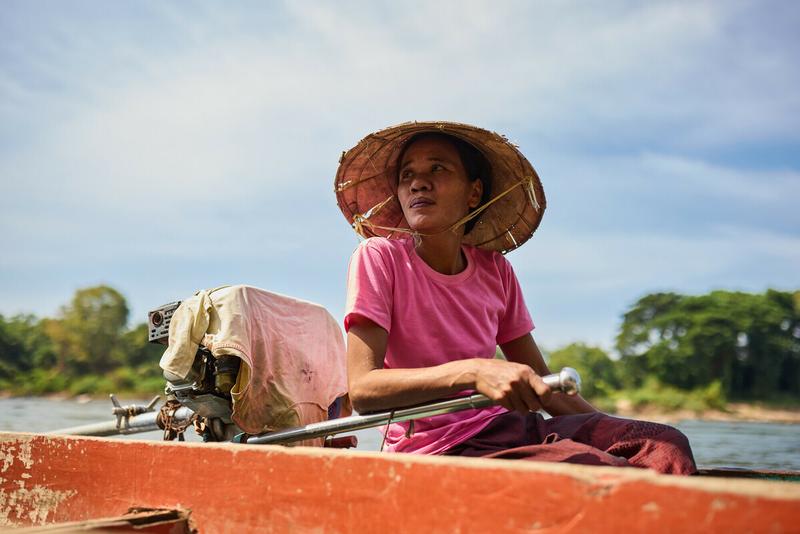
Lao's People Democratic Republic: Poui is a fisherwoman, and before the dam construction nearby, she was able to make a living and provide for her family with the income from fishing. She has since lost her livelihood. Photo: Patrick Moran/Oxfam. Oxfam acknowledges the support of the Australian Government through the Department of Foreign Affairs and Trade (DFAT).
Lao's People Democratic Republic: Poui is a fisherwoman, and before the dam construction nearby, she was able to make a living and provide for her family with the income from fishing. She has since lost her livelihood. Photo: Patrick Moran/Oxfam. Oxfam acknowledges the support of the Australian Government through the Department of Foreign Affairs and Trade (DFAT).
Other areas of work
Economic inequality — which includes wealth inequality and income inequality — is a result of deliberate policies that privilege the super-rich and exclude the vast majority of people. It is undermining progress against poverty, damaging economic growth and causing public anger and unrest, especially as climate-related disasters become more common.
Through our programs, campaigns and advocacy, we are building fairer economic systems to protect the environment, provide economic justice and deliver a future where everyone has a fair chance for a decent and dignified life.