
Why does the health gap exist?
The persistent shortfall in the life expectancy and health status of First Australians in part reflects the ongoing impact of centuries of alienation and marginalisation. This gap, which has widened in recent years, continues largely as a result of decades of government inaction to address the more complex health needs of First Australians.
A 2018 report by the Australian Medical Association found that Aboriginal health reflected the lack of commitment to equitable needs-based funding; gaps in primary health care coverage, and the failure to address environmental health and housing.
Successful Aboriginal and Torres Strait Islander health programs have been those that have recognised and addressed these factors in consultation with the Indigenous community.
What needs to be done now?
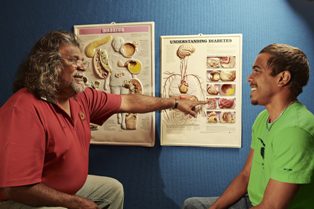
Working in partnership with Aboriginal and Torres Strait Islander people is a critical success factor. Indigenous Australians need to be consulted, empowered, resourced and supported to address the health issues facing their communities. In December 2018 we saw the Council of the Australian Government (COAG) take an important step in this direct by announcing a formal partnership with First Nations leaders.
Success stories from Indigenous communities indicate that properly resourced services in control of the community bring positive change.
Secure adequate funding for the long-term
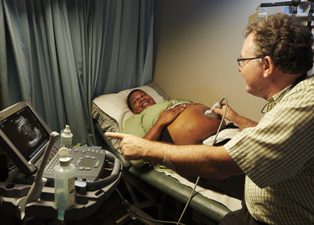
Oxfam is a strong advocate for the Indigenous community-controlled sector. Achieving Indigenous health equality will require investment in Aboriginal and Torres Strait Islander primary health care, including workforce development, as well education on smoking, alcohol, nutrition and maternal and child health.
After signing the historic Statement of Intent in March 2008, the Federal government unveiled the biggest-ever increase in funding for Indigenous health programs, but since then there’s been a lack of follow through. Six years later, the Federal government cut deeply into Aboriginal health programs, and more recently it put a freeze on funding for community-controlled health services. Nor has the Federal government funded the Aboriginal and Torres Strait Islander Health Plan. These cuts must be restored and priority given to community services access funds and implement their culturally appropriate programs.
Strengthen the movement to Close the Gap
The Close the Gap Campaign has made sure that Indigenous health policy remains a prominent part of the policy landscape, and one that won’t go away. With your help, we can keep it there. The movement to Close the Gap now needs to maintain, and grow, to ensure sustained and meaningful long-term change; and most importantly, an end to the Indigenous health deficit.
Where to from here?

Donate to First Peoples justice
Donate directly to help First Peoples of Australia access resources they are all to often left out of.

Explore more Indigenous Australian news
Stay up to date on our work towards Indigenous Australian justice through our blogs.

Close the Gap
Come learn more about the wider Close the Gap project directly from the Australian Human Rights Commission.