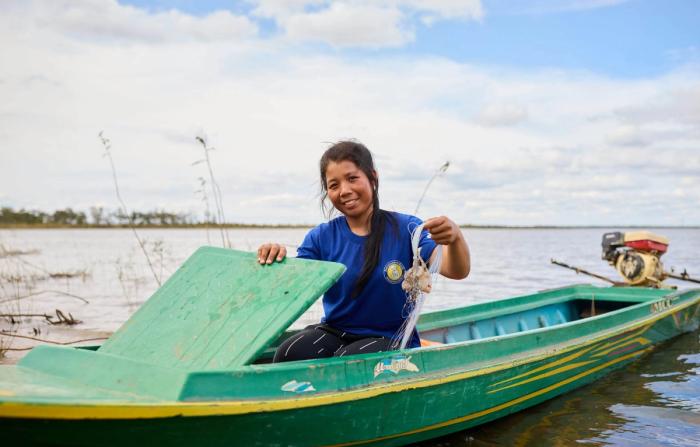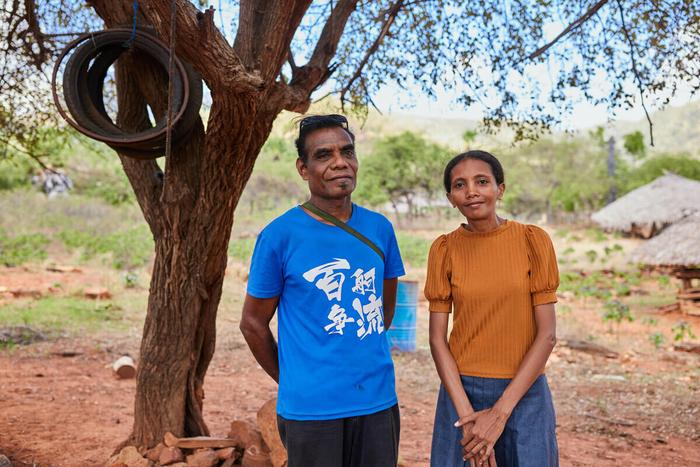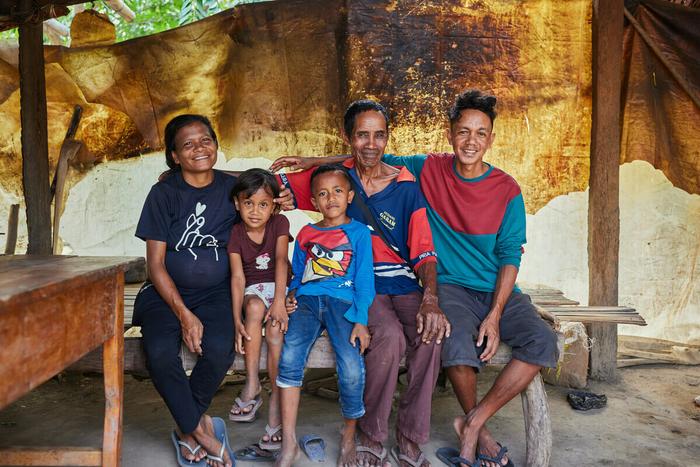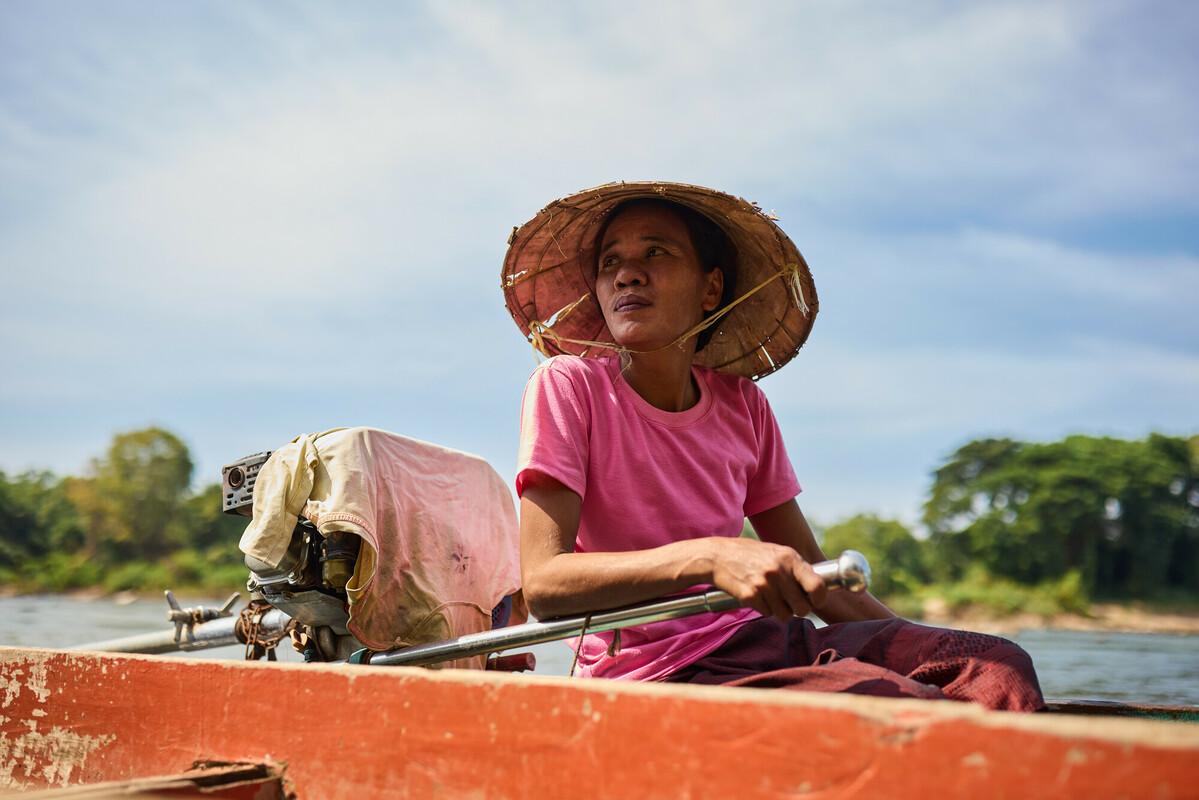
Lao's People Democratic Republic: Poui is a fisherwoman, and before the dam construction nearby, she was able to make a living and provide for her family with the income from fishing. She has since lost her livelihood. Photo: Patrick Moran/Oxfam. Oxfam acknowledges the support of the Australian Government through the Department of Foreign Affairs and Trade (DFAT).
Economic equality
Reshaping wealth, power and opportunity for all.
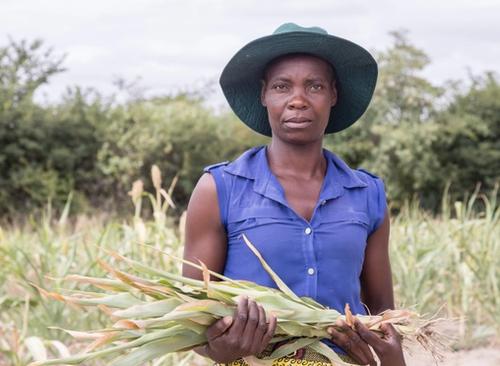
Zimbabwe: Elizabeth Mutimwii, a farmer, holding plants, the harsh sun and low rainfall devastated her crops. Photo: Loliwe Phiri / Oxfam
our approach
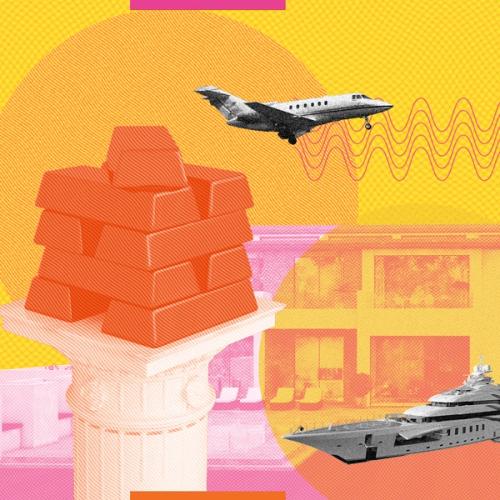
Economic inequality — which includes wealth inequality and income inequality — is a result of deliberate policies that privilege the super rich and exclude the vast majority of people.
It is undermining progress against poverty, damaging economic growth and causing public anger and unrest, especially as climate-related disasters become more common.
Through our programs, campaigns and advocacy, we are building fairer economic systems to protect the environment, provide economic justice and deliver a future where everyone has a fair chance for a decent and dignified life.
The growing gap: concurrent rise of extreme wealth and extreme poverty
Extreme wealth and extreme poverty have increased concurrently for the first time in 25 years. The richest 1% of people have more than twice the combined wealth of the other 99% of the world’s population.
Economic inequality is the result of the unequal distribution of income and wealth between different groups of people.
This huge divide between rich and poor is based on a flawed and sexist economic system that values the wealth of the privileged few — mostly men — more than the billions of hours of unpaid and underpaid care work done primarily by women and girls.
Economic governance for equality
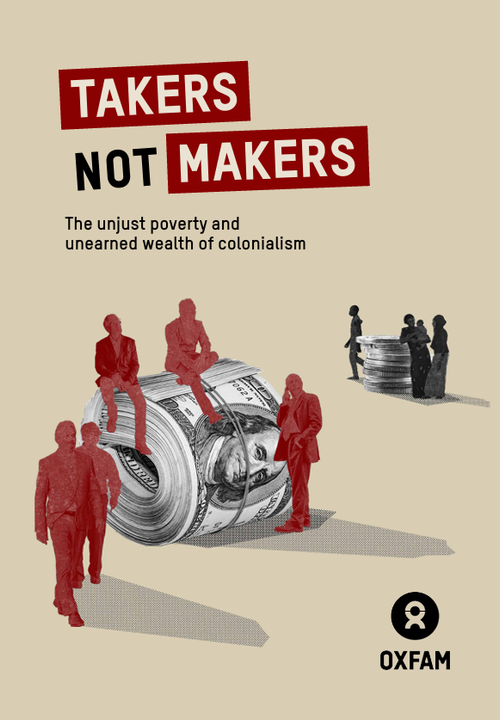
Current economic models have failed us. Unjust systems have concentrated power and wealth in the hands of a few, at the expense of the world’s poorest people.
In a truly equal society, 50% of the population should earn 50% of the income and own 50% of the wealth. However, the World Inequality Report (2022) illustrates that the world is experiencing extreme inequality, with the poorest 50% of the world earning just 8.5% of global income and owning only 2% of the world’s wealth.
This severe inequality has been allowed to flourish because global economies have valued financial growth above all else. This is a rigged economic system that exploits and starves the poorest and rewards the richest. For example, the impact of the COVID-19 pandemic and the Ukraine war have made food and energy unaffordable for millions of people around the world, including here in Australia. Yet, 95 food and energy corporations made a whopping $306 billion in windfall profits in 2022.
Building fairer systems for global equality and sustainability
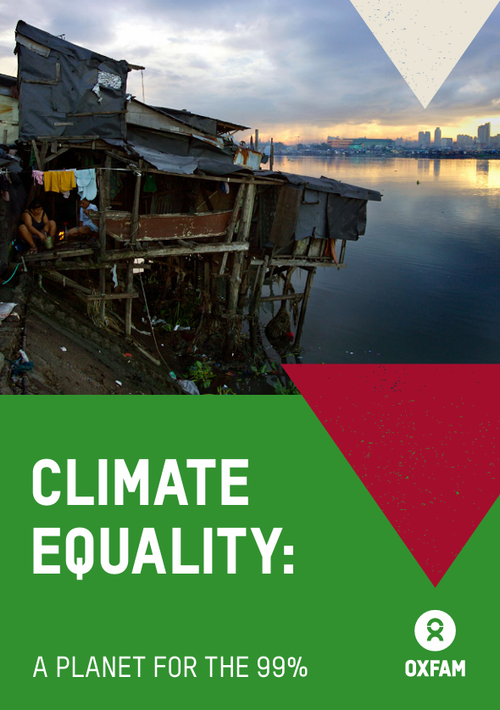
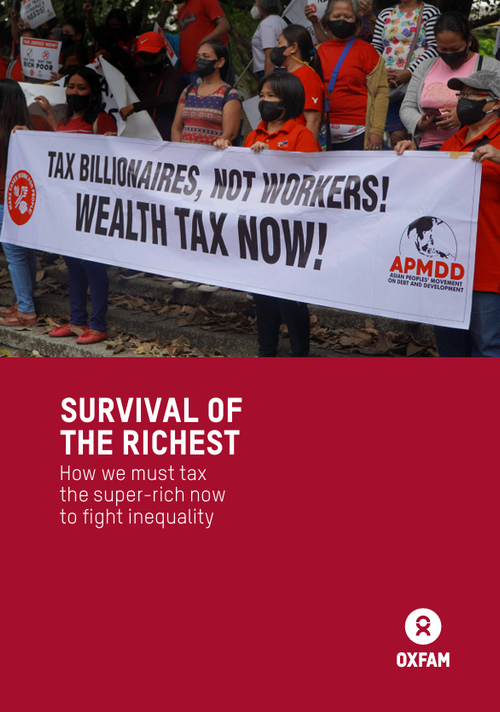
To address global inequality, we must make systems fairer and create more equal societies. Rich, polluting countries must cut their carbon emissions. Governments must tax the wealthy and polluters, and must fund social protection and climate adaptation schemes to help people cope with climate-related shocks.
We believe that people and planet should be at the heart of economic policies. We need economic systems that are just and sustainable; serious action on the climate crisis; and new rules that empower all people to live with choice, dignity and equal opportunity.
Our focus is on closing the wealth divide and spreading income distribution and power more equally. We seek change through policies that put people first and give everyone a place at the decision-making table.
How we help
Together with local partners, Oxfam champions economic equality across the world
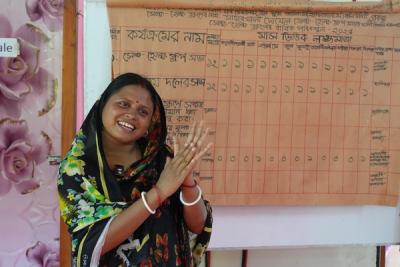
Bangladesh: As the president of a Self-Help Group (SHG), Surdhani is running a monthly meeting. As part of the SHG activities, all members come together to review their annual group plan and group saving goals. The monthly group savings will be a contingency fund to build a more resilient and independent future for themselves. Photo: Dhambin Jung/Oxfam
Economic governance
We seek change through policies that put people first, promote equal rights and give people who are marginalised a place at the decision-making table and greater access to economic resources.
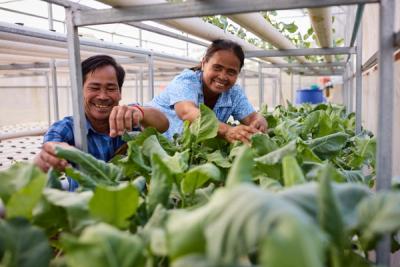
Cambodia: Chana and Sare (both 50s) in their aquaponics greenhouse. They are part of an aquaponics pilot project in their village, which gives local villagers the opportunity to grow vegetables in a climate resilient way that can then be used to support their household expenses. Photo: Patrick Moran/Oxfam. Oxfam acknowledges the support of the Australian Government through the Department of Foreign Affairs and Trade (DFAT).
Economic resilience
By supporting communities to withstand adversity and bounce back from difficult events we can reduce poverty.
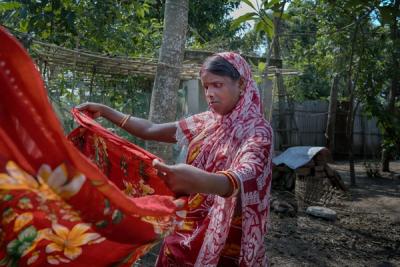
Bangladesh: Munni is a tea garden worker and earns just 170 Taka [AU$2.30] per day. She has to take out loans in order to buy groceries and then struggles to pay these loans back. Munni attended training run by Oxfam partner organisation, Breaking the Silence, and says she has gained courage through this training. Photo: Fabeha Monir/Oxfam. The European Union (EU) is the funder of this program
Women’s economic empowerment
By taking active steps to reduce the burden of unpaid care work and aims to ensure decent work, a fair wage, social protection, fair representation at decision-making tables and equal access to services for all women.
Ensuring decent work, fair wages and empowering women in decision-making
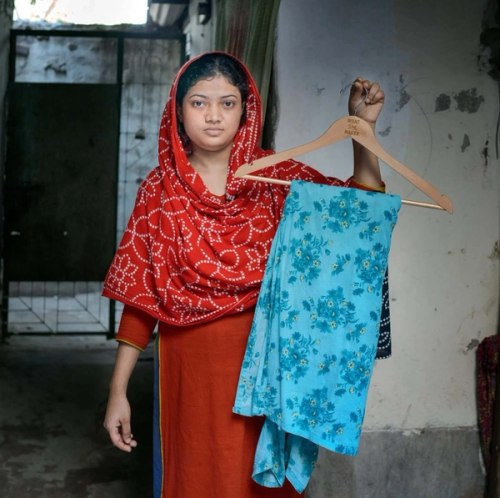
Our economies are built on the back of millions of hours of unpaid care work and low-paid labour. Because of unjust and patriarchal social attitudes, this unpaid care work is overwhelmingly done by women and girls. The responsibility of caring for children and elderly relatives, along with household duties like cooking, cleaning and collecting water, leaves women and girls with little or no time for school and work. If a woman lives in poverty, she does even more unpaid work.
When women are in the workplace, they make up the majority of the world’s low-paid workers and are concentrated in the most precarious jobs. During times of uncertainty, like the COVID-19 pandemic, women are more likely than men to lose their jobs or lose their income. In fact, the pandemic cost women around the world at least $800 billion in lost income.
Women are also less likely than men to have a bank account and access to the internet, which means they are less likely to be entrepreneurs, start a business and reach leadership positions in business and politics.
Tackling inequality so women can choose their own futures
This inequality is based on unfair and sexist structures, where men hold positions of power and women are disproportionately responsible for unpaid care work.
Increasing women’s economic equality would reduce poverty for everyone. Economic inequality costs women in low-income countries $9 trillion per year. If women could rightfully earn this money, they would have a chance to contribute to their household income, invest in the health and wellbeing of their families and boost the economy as a whole.
To address gender and economic inequality, we must ensure that women and men are paid the same wage for the same work, have the same opportunities to hold leadership positions, and share responsibility for unpaid care work. Oxfam is supporting women’s rights to have quality and decent work, fair pay and opportunities for leadership, as well as access to financial institutions to build their economic resilience.
Economic inequality facts
2.4 Billion
women of working age are not afforded equal economic opportunity (United Nations, 2024).
In 2020, extreme poverty increased for the first time in 25 years.
Since COVID-19, the number of people experiencing extreme poverty grew by 70 million.
Global multimillionaires have captured a disproportionate share of global wealth growth: the top 1% took 38% of all additional wealth accumulated since the mid-1990s, whereas the bottom 50% captured just 2%.
In 2021-22, 53% of the world’s population — over 4 billion people — did not benefit from any form of social protection.
It is estimated that between 691 and 783 million people in the world faced hunger in 2022, up 122 million than in 2019, before the global pandemic. About 29.6 percent of the global population – 2.4 billion people – were moderately or severely food insecure in 2022, of which about 900 million (11.3 percent of people in the world) were severely food insecure.
In 2023, there were 96 energy billionaires with a combined wealth of nearly $432 billion ($50 billion more than in April 2022)
Frequently asked questions
Economic inequality is the unfair and unequal distribution of income and opportunities between different groups of people. Economic inequality is based on a sexist and outdated economic system that values the wealth of the privileged few — mostly men — more than the billions of hours of unpaid and underpaid care work done primarily by women and girls.
Economic inequality flourishes when a greater value is placed on financial assets rather than on workers’ rights. This creates income and wealth inequality, where the top earners’ incomes skyrocket and the average workers’ wages barely change. Meanwhile, governments and those in positions of power establish rules and policies that maintain income and wealth inequality so they can continue to prosper.
Economic inequality is a problem in all countries and all societies. But the impact of extreme inequality is most keenly felt in low-income countries, where missing out means remaining trapped in the cycle of extreme poverty. It’s estimated that tax dodging by multinational companies costs the world’s poorest countries at least USD $100 billion every year.
All of us. Right now, even rich countries like Australia are seeing the direct results of economic inequality. Over the past decade the number of billionaires in Australia has tripled, while average income has stagnated. Oxfam is committed to tackling poverty and inequality in Australia and overseas by dismantling the broken economic system that is concentrating wealth in the hands of a few rich and powerful people at the cost of millions of others.
Wealth distribution refers to how wealth is spread across a group of people. Wealth can be measured in terms of the assets a person owns, like real estate, cars and financial assets.
Wealth inequality is the unequal and unfair distribution of wealth in a society. Wealth refers to the assets a person may have, such as real estate, as well as financial assets, such as superannuation or shares.
Income inequality is the unequal distribution of income across a group of people. Income includes wages, investment income, government income support payments and income tax.
In 2021, the median hours worked in Australia were 38 hours per week and the national median personal income was $805 per week, a $143 increase since 2016. More than 9.6 million people were earning below the national median personal income or earning no income. Source: Australian Bureau of Statistics
Economic inequality is unjust and unfair. It means that a privileged few prosper while others suffer. Those who are disadvantaged by economic structures may not be able to access education or healthcare, which are basic human rights.
In economic terms, economic inequality can lead to a lack of productivity and economic growth and can increase economic instability.
When we talk about economic inequality, we are talking about uneven and unfair income distribution, wealth distribution and opportunities between different groups of people.
Economic inequality is often measured by income inequality or wealth inequality between different genders or ethnicities; within or between countries; or on a global scale. Increasingly, the environmental impacts of extreme wealth in an unequal world are also being measured.
The Gini index or Gini coefficient measures income inequality on a scale from zero (indicating perfect equality) to 100 (indicating one person having all the world’s resources).
The Palma ratio (named after the Chilean economist Gabriel Palma) is a method of measuring inequality. It compares the income or wealth of the top 10% of the global population to the income or wealth share of the bottom 40%.
Shared prosperity is a measurement of income growth inequality. It measures the income or consumption growth of the bottom 40% compared to the whole population. It is a metric currently used by the World Bank and United Nations for reporting on Sustainable Development Goal 10: Reduce inequality within and among countries.
How you can help
Join Oxfam today and help communities all over the world live free from poverty.
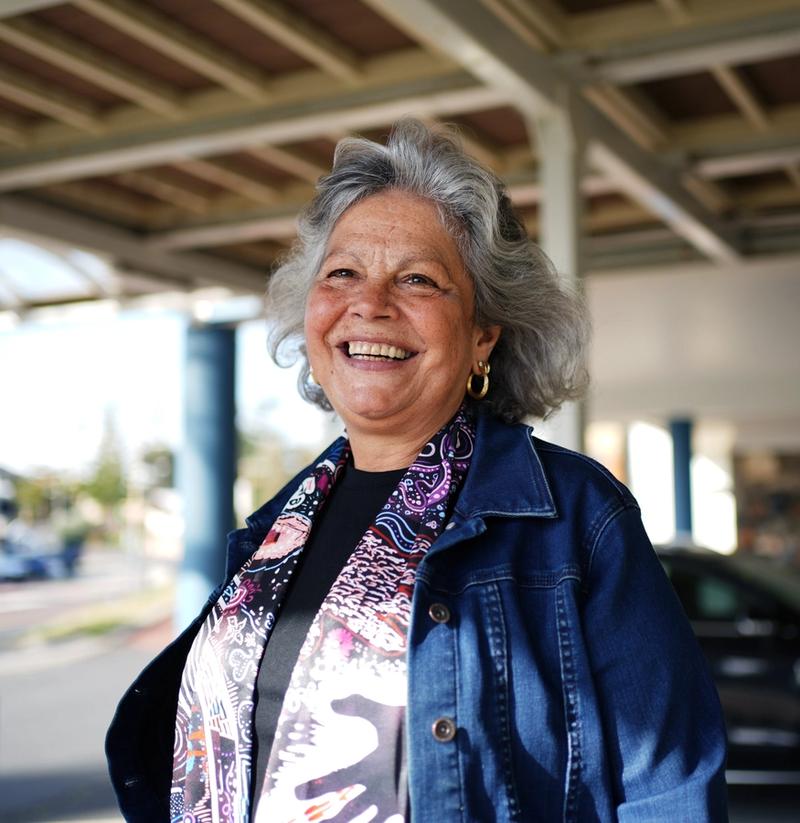
Australia: Rhonda Norman is a Noongar Wilman women. She is a dedicated mentor and Elder in the community, and has been with SWAWC since it’s conception.Aimee Han/Oxfam
Australia: Rhonda Norman is a Noongar Wilman women. She is a dedicated mentor and Elder in the community, and has been with SWAWC since it’s conception.Aimee Han/Oxfam
Other areas of work
Despite 65,000 years caring for People and Country, the First Peoples of Australia, are too often excluded from the resources of their own country. This is particularly true of First Nations women, who often face inequality and discrimination because of their gender. This double discrimination can worsen inequality, limit economic opportunities, increase the risk of gender-based violence and fuel poverty.
Oxfam Australia has worked to advance First Peoples’ rights for more than 40 years —and our work is not nearly done. We still have a long way to go towards First Peoples’ justice and equality in Australia. By calling for First Peoples justice, our aim is to undo systemic inequality, challenge injustice, and achieve the change the First Peoples of Australia want to see.