Rodilyn Bolo, Oxfam Phillipines
Many of the families who lost their homes to storm Sendong (international name: Washi) have since stayed in cramped evacuation centers, their personal space often defined by the size of the sleeping mat they own.
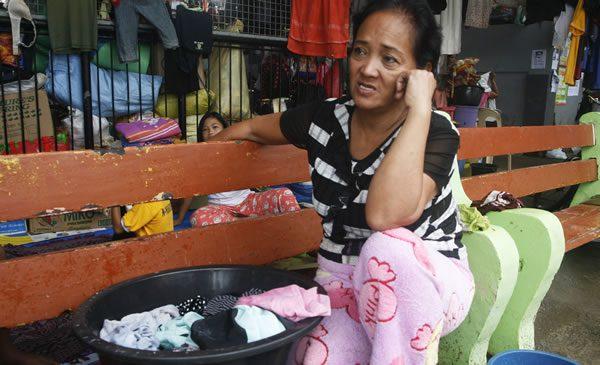
Vicky Aguiman, a 65 year-old resident of Purok Tambo, Macasandig, one of the worst hit areas in the city, now calls a public gymnasium home.
Overcrowded and without running water, evacuation centers can become a perfect storm of health problems in no time.
With her are three grandchildren aged 12, 11 and 6; and her 18-year old son. They took shelter at a friend’s house for two days immediately after the floods but moved out when they learned of the gymnasium. Her friend’s family is poor like hers and she did not want to trouble them with extra mouths to feed.
Her grandchildren have been left with her by her daughter who is now in Manila, the nation’s capital, waiting for her papers for work in Qatar to push through. Her daughter and her son-in-law used to be street vendors here, selling cold drinks to pedestrians, the primary source of income for the entire household. Both are doing the same thing now in Manila and the little that they earn they send home for Nanay Vicky and their three children’s needs.
“They send us one thousand pesos a week. Sometimes it’s 700 or 800 pesos depending on what they earn. During rainy days, when only a few would buy cold drinks, they’d send a smaller amount. They also need to take care of their one-year old baby there,” Vicky shared.
Vicky’s 18-year old son used to help, working at one of the big malls in the city but his six-month contract had ended in November. He was set to work again in another mall when he tested positive for tuberculosis. He is set to be treated by the doctors at the evacuation center, to prevent the disease from spreading.
Poor women like Vicky and their families squeezed into small temporary shelters are at risk to various health concerns, including communicable diseases. Clean shelters stave off a host of problems that will take them a step back from recovering from disaster. Oxfam through its partner, the Humanitarian Response Consortium, is on the ground delivering water and sanitation assistance, including hygiene kits of bath and laundry soaps, napkins, underwear, etc., to ensure that evacuation centers are prevented from becoming a breeding ground for diseases.
Vicky and other families also need support from government to find work to help them start anew. With but the most meager of earnings, they are in desperate need of livelihood options that will transform them from being victims to survivors of disaster.
Read more about our response to the Philippines floods