Site navigation


2004 Indian Ocean Tsunami

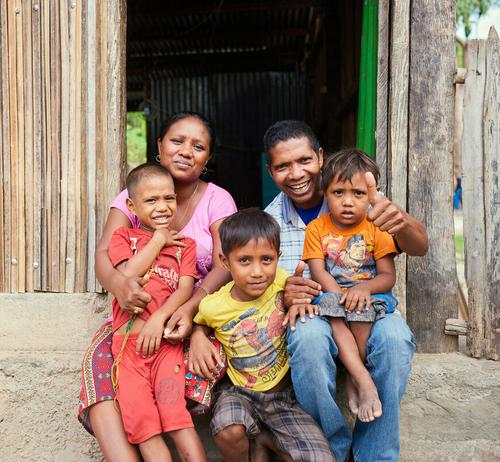
>Children play outside newly completed transitional shelters which Oxfam Australia have constructed with local partner TCDO
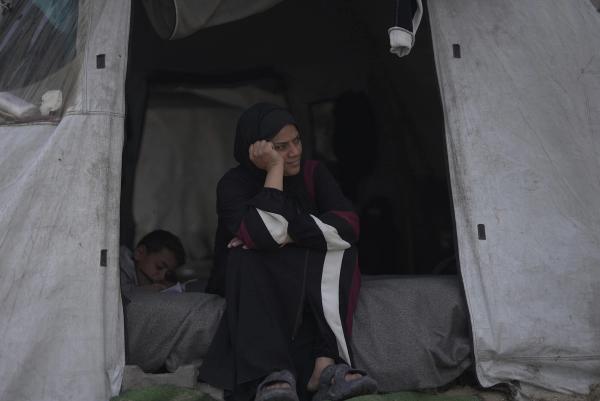
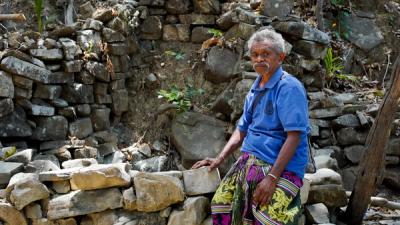
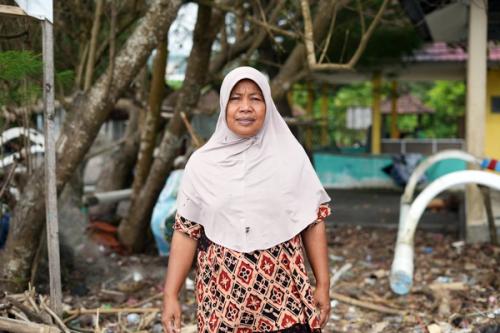
Daya looks out over the ruins of his community in Kapung Jave, Indonesia following the tsunami on December 26th 2004. Photo: Mark Prasopa-Plaizier/OxfamAUS.

On 26 December 2004, an earthquake struck off the coast of Sumatra, generating a powerful tsunami across the Indian Ocean. More than 230,000 lives were lost, millions of homes were destroyed and hundreds of thousands of livelihoods were ruined. Hardest hit were Indonesia, Sri Lanka, India and Thailand. The Maldives and the eastern coastlines of Madagascar and Somalia were also affected.

Over the past three years, Oxfam Australia has been working with our long-established partners in India and Sri Lanka to respond to the tsunami. In Indonesia, we are part of the Oxfam International response in Aceh and Nias.

Rebuilding lives

Three years on, our tsunami activities are linking with our long-term development programs in India and Sri Lanka. Throughout our program we are supporting people to achieve their rights, to access clean water supplies, restart or establish small businesses, acquire land and housing, and strengthen and rebuild their communities.

The scale of devastation means that it will take time to rebuild lives and communities. Our tsunami program will continue until the end of 2008 to ensure that people’s rights and long-term needs are met, and poverty is alleviated in tsunami-affected regions.

Voice and choice

Central to our work is our determination to ensure that the people we work with have a voice in determining their own needs and a choice in how these are met.

We are dedicated to being accountable to communities on our responsibility to co-ordinate a high quality program and on fulfilling our promises. It is critical that communities are involved and have ownership over these processes. Our mechanisms for community input and responding to community complaints and concerns form an important part of our program.