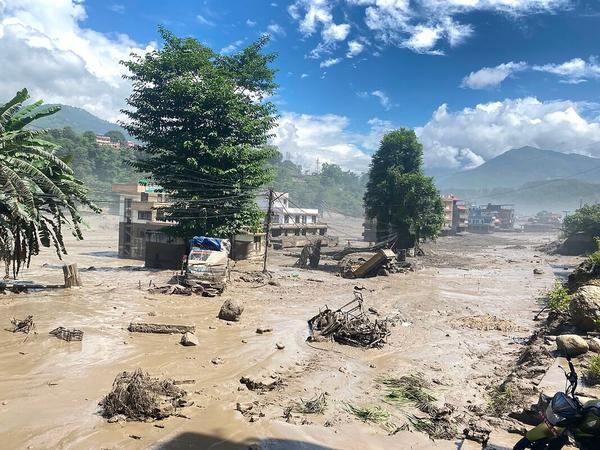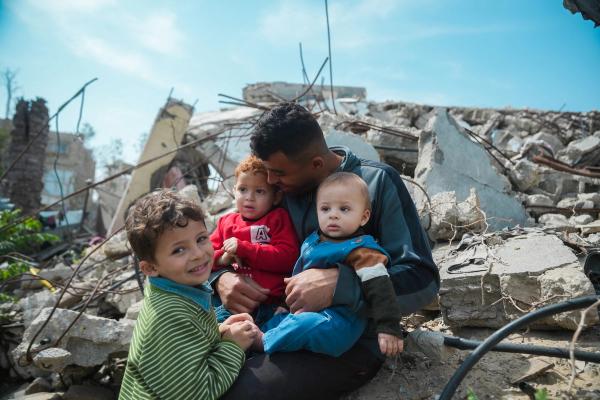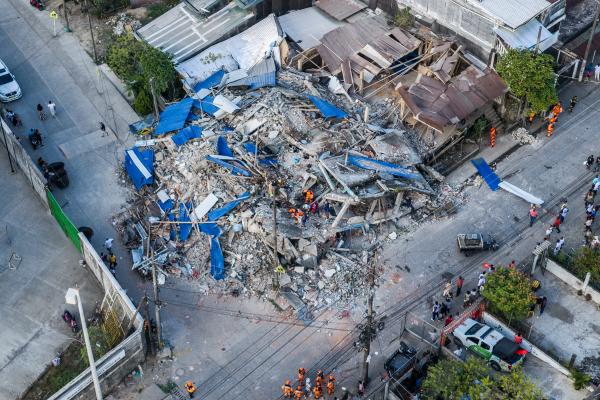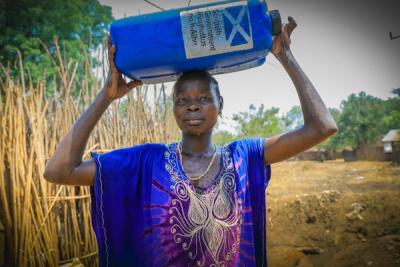
Earthquake survivors carry bottles of water outside a destroyed house in the devastated village of Pieer Chanasi, about 25 km (15.5 miles) east of Muzaffarabad, November 27, 2005.
Photo: REUTERS/Goran Tomasevic courtesy alertnet.org
Six months after last year’s earthquake, many of the two million people left homeless by Pakistan’s biggest natural disaster face a critical time.
Despite the massive challenges of scale, location and logistics, major outbreaks of serious disease have been prevented, remote communities accessed and a second humanitarian disaster averted.
Thanks to a relatively mild winter and the efforts of the Pakistani authorities, aid agencies and donors, people left homeless by the earthquake have survived a Himalayan winter.
More support is needed now as thousands of displaced people prepare to leave official camps and return to their home areas.
Donate online now or call 1800 034 034
What Oxfam is doing
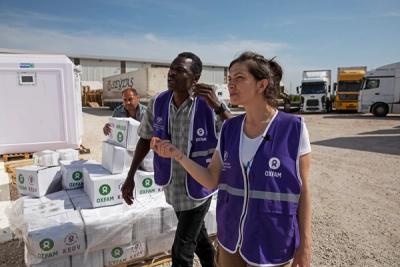
Oxfam has been helping almost one million people, providing clean water and sanitation, appropriate shelter for winter conditions, and supporting people's livelihoods. We are working in co-operation with local partners, international non-governmental organisations and major institutional donors including AusAID, the Australian Government's overseas aid program.

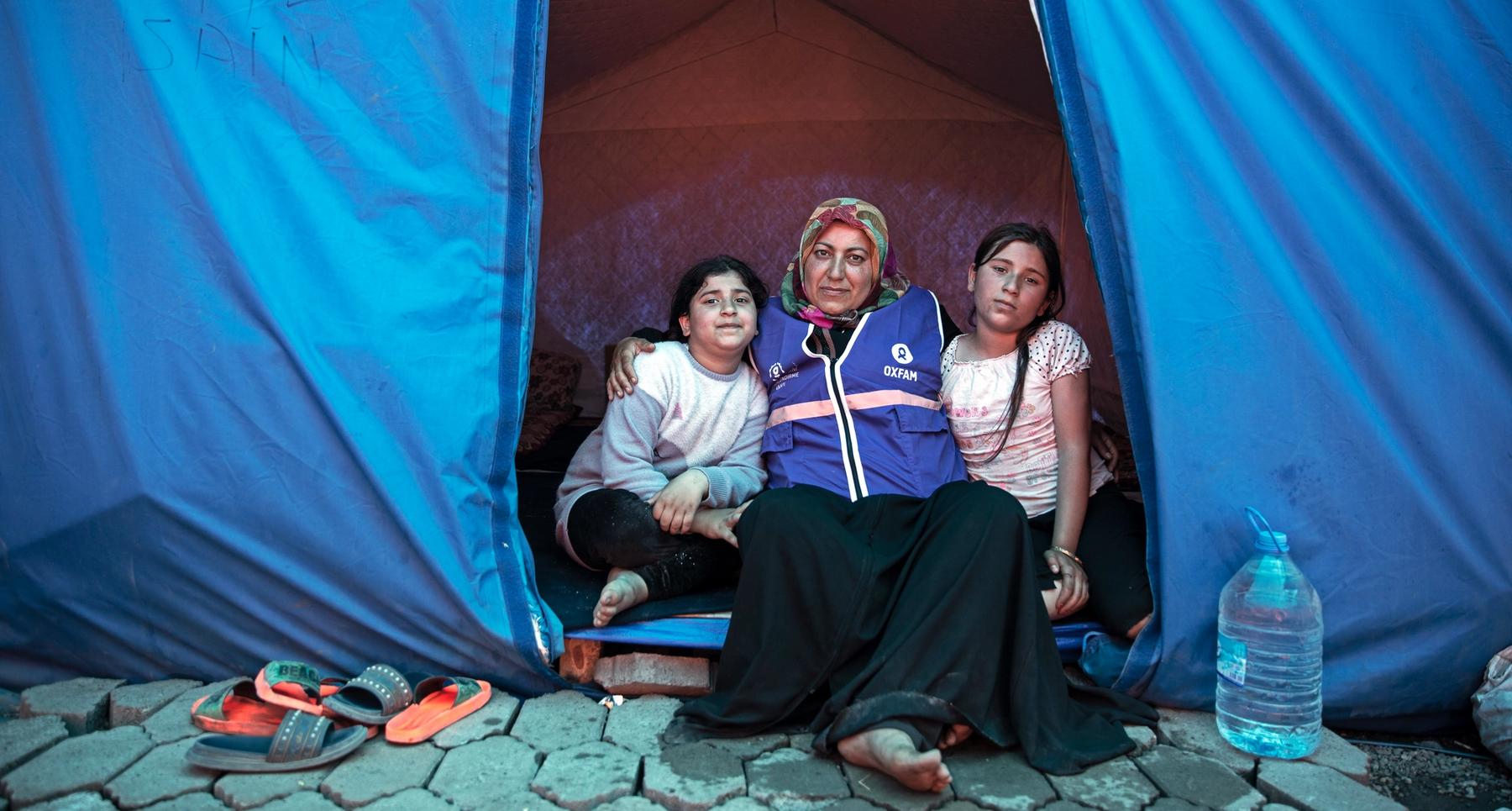
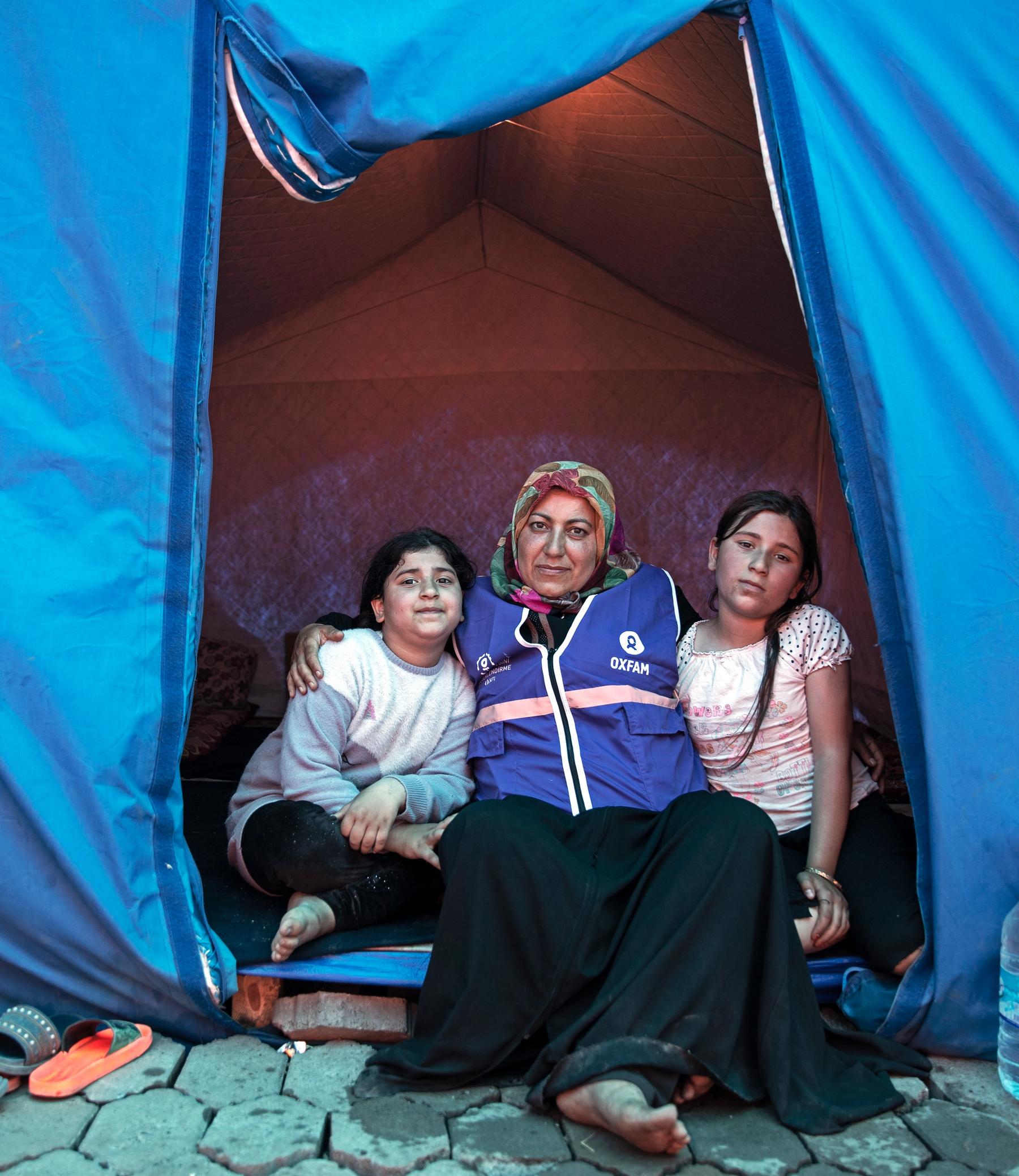
Thousands of people are now living in tents following the earthquake. Oxfam is working to ensure that tents are able to withstand the coming winter. Photo: Carlo Heathcote/Oxfam.
Shelter
Oxfam is providing shelter to more than 350,000 people in the affected areas of Battagram, Mansehra, Abbottabad, Shangla, Dhirkot and Muzaffarabad. This includes 24,110 tents and 7805 traditional 'bandi' shelters which are made of corrugated iron.
To ensure people are kept as warm as possible, Oxfam has also distributed more than 79,000 blankets in the affected areas. All of the materials are being procured in Pakistan.Water, sanitation and public health
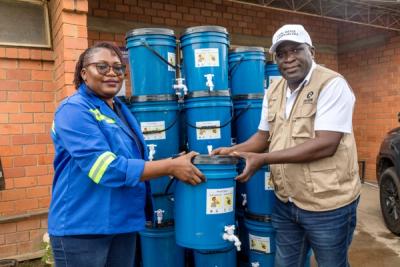
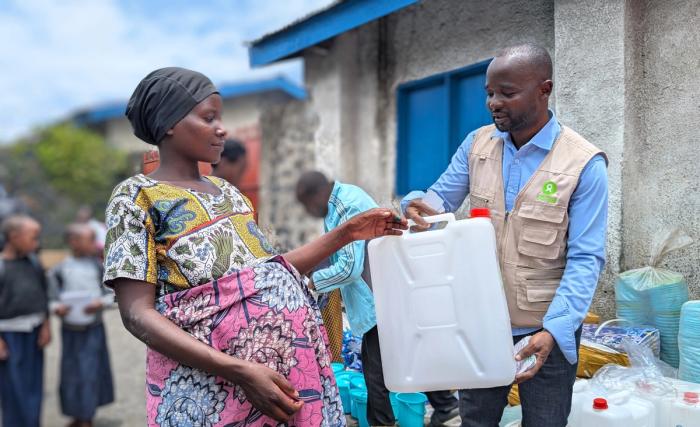
More than 184,000 survivors are living in camps. Oxfam is working in 207 camps, providing water and sanitation facilities, including water tanks, latrines, hygiene kits, bathing cubicles and water buckets. In 52 of these camps, Oxfam has repaired piped water systems, resulting in water being provided to almost 40,000 people. To ensure best use is made of this water, Oxfam has also provided some 25,000 buckets and 87,000 bars of soap.
Outside the camps, we have been supporting rural populations through our water-trucking activities, delivering 174,000 litres of clean water per day.
Livelihoods
Oxfam is reaching more than 58,000 people with a variety of activities, to support their livelihoods. Cash grants have been provided to more than 12,000 households to further winterise their tents, and grants have been given to traders to rehabilitate their shops.
To help revive the local economy, we have been providing cash to people unable to work, while those who can have been given opportunities to take on paid work. For example, women in camps have been provided with materials to encourage knitting, embroidery and traditional bead making as part of our cash-for-work scheme.
Latest news
A winter of despair
As snow continues to fall across northern Pakistan and India, mountain communities devastated by last year's earthquake wait for the long, slow process of reconstruction to begin. (Oxfam News March 2006)
A mountain to climb (pdf 137k)
This report details what needs to be done to prevent further deaths following the Pakistan earthquake and to enable survivors to rebuild their lives and livelihoods.