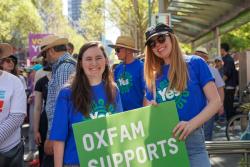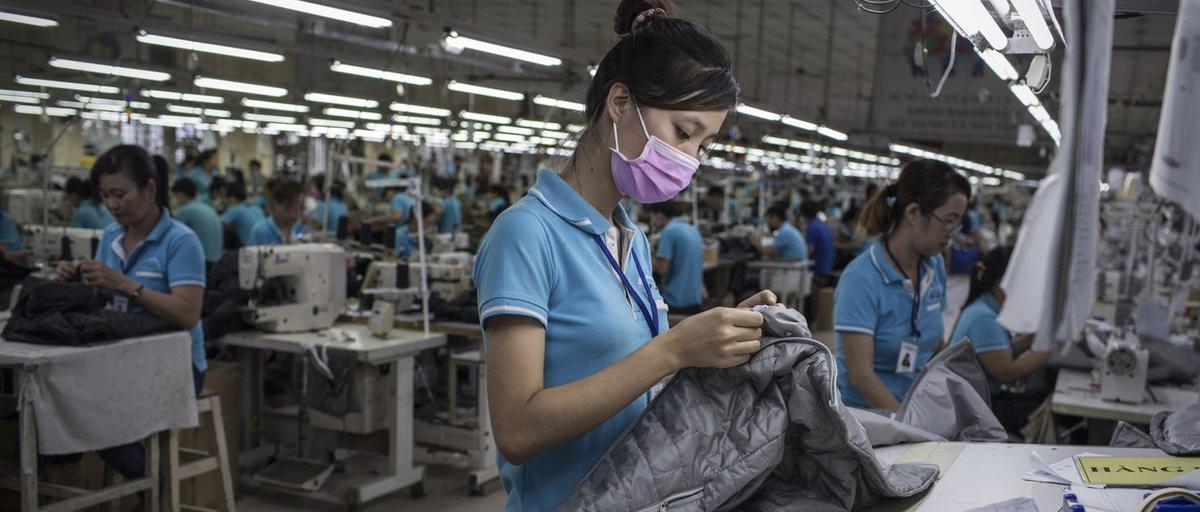
After years of campaigning from Oxfam supporters, Gorman and Factory X have published the names and locations of their factories.
It’s an important step forward in supply chain transparency. Without this information it is extremely difficult to confirm whether workers are being treated fairly, and it allows workers to raise their concerns directly with the brand.
Thank you to all our supporters for the part you’ve played in this win. We couldn’t have done it without you.
The history of Gorman
Lisa Gorman launched her clothing brand in 1999 with the aspiration of creating a sustainable fashion brand. In the years following, Gorman grew as a brand with a strong reputation for being both ethical and stylish.
In 2010 as Gorman continues to grow, Lisa Gorman sold part of her business to Factory X, a retail group who also own Dangerfield, Alannah Hill and Jack London.
Then in 2013 came the horrific collapse of the Savar building in Rana Plaza in Bangladesh, which saw more than 1,100 people killed.
This was a moment of truth for the fashion industry. Oxfam had already been working with allies to call for sports brands like Nike and Adidas to stop hiding where their clothes were made. Now, we began to campaign for all clothing brands to be transparent about which factories make their clothing, so that no-one could hide the conditions of the people working to make their clothes.
And then the good news
After years of pressure from people like you, Gorman – and other Factory X brands like Dangerfield and Alana Hill – have finally decided to publish the locations of their factories.
It’s a great step forward for transparency, but we need to recognise that Gorman still has a way to go yet. Providing information about factories is only a first step towards ensuring ethical working conditions and paying a living wage.
The fact is, Gorman have not made a commitment to ensure that the women who make their clothing are being paid enough to cover the basics, including food, adequate housing, education and healthcare.
We call on Gorman to keep walking along this path, to aim to be a leader in the fashion industry, and make a strong commitment to pay their workers a living wage.
Poverty in the fashion industry is a huge problem so it’s important to celebrate when the power of people beats the power of profit. Can you help us celebrate by sharing this blog on Facebook?
And if you haven’t already, sign up for our campaign to end poverty in the fashion industry:
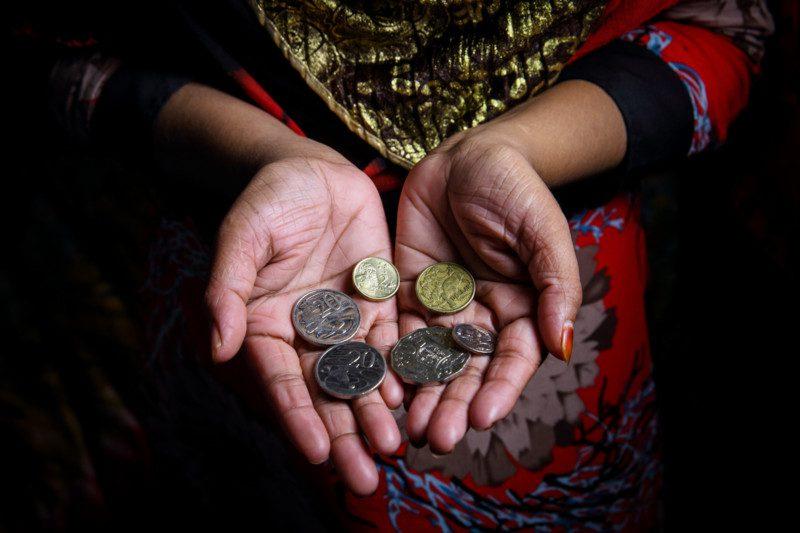
Help tackle poverty in the clothing industry
Join thousands of Australians and demand workers be paid a living wage.
sign the pledge