By Louise Mooney
Louise Mooney is the humanitarian program coordinator for Oxfam Australia’s Africa unit, and is currently in Niger to see how our response to the West Africa food crisis is unfolding. Here, she reports from her second day in Niamey. (Read about her first day here)
19 September
I woke late this morning. Why? It’s dark still. I even slept through the 5am call to prayers that rings out across Niamey. A quick look out the window explains it: rain – gentle but persistent rain. Great news! The country’s staple and mainstay crops of sorghum and millet are getting close to harvest, but the weather in the next two weeks is pivotal to their success — and the food security of millions.
So far this season, the rain has been heavy, flooding many places and swelling the mighty Niger River to over three times its usual size. But enough crops have survived the flooding to make this a good harvest in most regions of Niger … if the rain continues until October. Even still, the long term food security of Niger, as well as many countries across the arid Sahel region of Africa, is tenuous.
Chronic rural poverty and poor infrastructure; cyclical and increasing droughts; political instability that’s causing refugees to flee rebel hotspots such as Mali, and restricting migratory labour remittances (a key source of income of many poor rural communities); and rocketing food prices, are the forces behind this food crisis affecting more than 18 million people. To cope, those most affected have had to take drastic action – selling vital assets such as livestock to buy food.
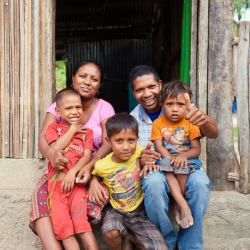
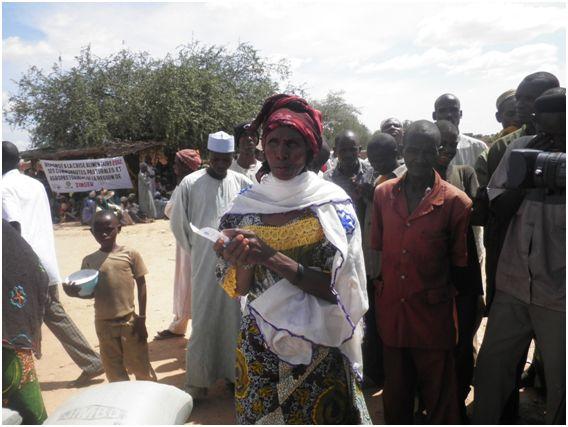
Thanks to Oxfam and funding from Australian Aid (AUSAid), people like Fara (pictured above), a widow with nine children from Takeita village in the region of Zinder, are receiving food and livelihood assistance to recover from the crisis. To be a woman in Niger is hard at the best of times. The country has the world’s highest birth rate — nearly 8 babies per woman — and tragically high rates of infant and maternal mortality that mean one in five children won’t make it to the age of five.
Fara is grateful for the support of the project, which prioritises widows and their families for assistance. “May God help the people of Australia for helping us” was her heartfelt plea.
Project Manager Djaforou Amadou of Oxfam’s local implementing partner, AREN, explained how they will continue working with people such as Fara to support their longer term recovery by assisting them to restock animals and establish small businesses. This boost to income and the local economy will hopefully provide a buffer to future shocks, if rains and crops should again fail in coming years.
Donate now
Find out more
Read more about Oxfam’s response in West Africa
Read Louise’s first post from Niger