Barry donated
Just now
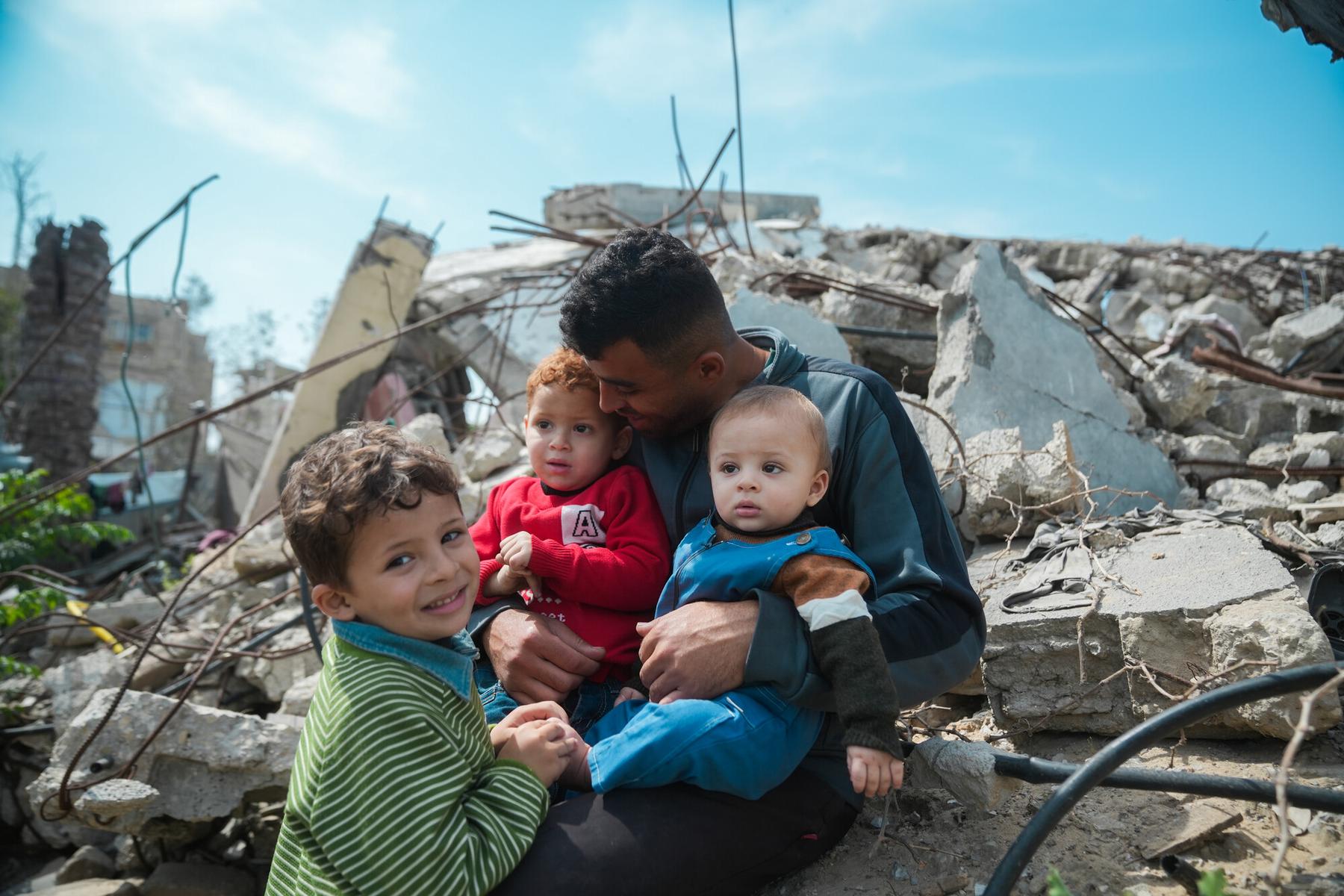
Zarqa, Gaza city: Mohammed sitting atop the rubble of his house with his three children. Photo: Alef Multimedia/Oxfam
Across the Middle East, families in crisis are running out of water. Donate today to help provide life-saving water and hygiene kits.
Your information is in safe hands with us. All transactions are 100% SSL secure and encrypted, and we never store your credit card information.
Having problems donating?
Your donation will be used in support of Oxfam's efforts in Australia and overseas. We work to deliver humanitarian aid, long-term development projects, and to advocate for a world where everyone is equal, free from poverty and injustice. Funds will be distributed according to operational, access and legislative requirements.
Before the war in Gaza began, Mohammed had a good life.
Mohammed shared a home and garden lined with orange trees with his wife, children, parents and brother.
“[We were] not rich, but comfortable. We had a home, work, land and trees,” Mohammed said.
Today, that home and life no longer exist. In December 2023, his house was hit with a strike that also injured his 2-year-old son and left him with partial paralysis in one hand and seizures.
After fleeing the violence, Mohammed’s family moved from place to place seeking safety. At times they were able to grow their own food but conflict forced them to move on. Supplies were scarce, prices were punishing, and movement was dangerous.
“We ate wild plants that grew from the ground,” he said. “There was nothing.”
This is the reality for families across the Middle East today. After enduring years of conflict, displacement, economic collapse and significant barriers to humanitarian aid delivery, families already struggling now face new dangers like a lack of water, and the spread of water-borne diseases.
Will you make a tax-deductible donation today to help provide life-saving water and hygiene kits to families in crisis?
9 in 10
Palestinians depend on inconsistent water trucks
64%
of the population facing worsening food security
We just want to live... We’re tired... We have nothing left, even our home."
Gloria, her husband and their two cats was displaced from her home in South Lebanon after their house was bombed. When she fled, she struggled to find water on her way to a shelter in the north.
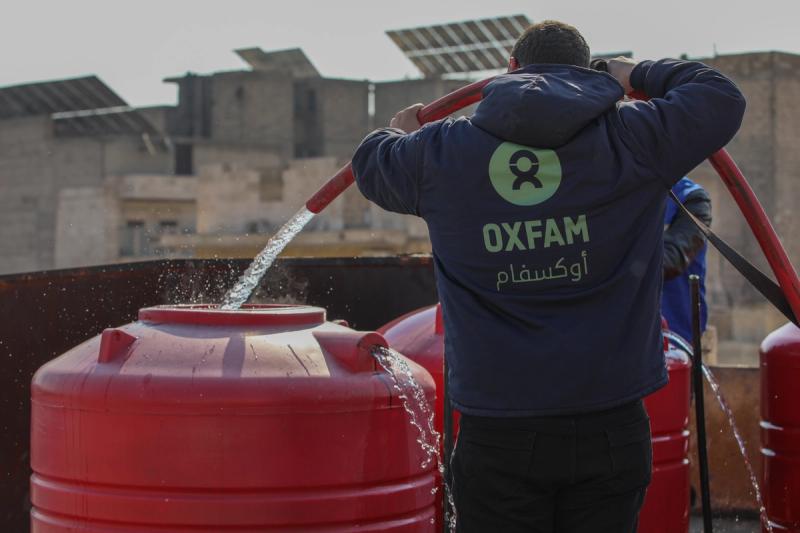
Syrian Arab Republic: On 6 February, a 7.7 magnitude earthquake hit Syria, forcing families to leave their homes. Oxfam is shown in the pictures delivering water to shelters in Aleppo city. Photo: Islam Mardini/ Oxfam
Syrian Arab Republic: On 6 February, a 7.7 magnitude earthquake hit Syria, forcing families to leave their homes. Oxfam is shown in the pictures delivering water to shelters in Aleppo city. Photo: Islam Mardini/ Oxfam
Right now, families like these are trying to survive in increasingly dangerous conditions. Your donation could ensure families have safe water and hygiene supplies when they need it most.
Your donation will be used in support of Oxfam's efforts in Australia and overseas. We work to deliver humanitarian aid, long-term development projects, and to advocate for a world where everyone is equal, free from poverty and injustice. Funds will be distributed according to operational, access and legislative requirements.
Life-Saving Water
$75 could help provide life-saving emergency water for a family displaced by conflict
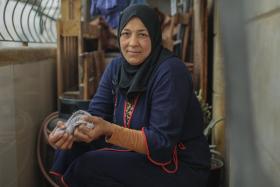
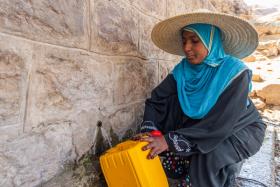
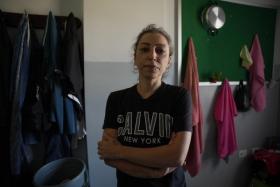
Oxfam has been working across the Middle East for decades, delivering clean water in some of the world’s toughest conditions. We work with local partners, responding rapidly in emergencies and staying for the long term – long after conflicts and disasters cease.
Communities need to survive in the short term, but they also want to rebuild and create self-sufficiency for the long term. Access to clean water isn’t just about survival. It’s about dignity. Health. Stability. A future.
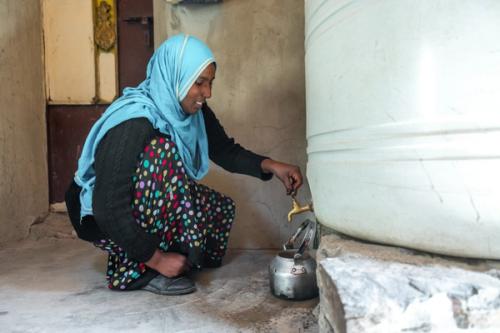
Yemen: In front of a dedicated water tank for drinking and cooking, Rawya’s joy is unmistakable. She carefully pours fresh water into her pot, savoring the simple yet profound convenience. Photo: Ahmed Al-Basha/Oxfam Intermón
The escalating conflict is having devastating consequences for civilians across the Middle East, compounding crises in countries already grappling with conflict, displacement, and economic collapse. While the fighting may be concentrated in certain areas, its humanitarian impacts are being felt far beyond borders.
Airstrikes and retaliatory attacks have hit civilian and energy infrastructure, disrupted supply routes, and driven up fuel and food prices across the region. At the same time, millions of people have been forced to flee their homes, placing enormous strain on already overstretched communities and services.
In Lebanon, intensified Israeli airstrikes since March 2026 have killed more than 2,000 people and displaced over one million, many of them women and children now sheltering in overcrowded schools, public buildings, or informal spaces with limited water and sanitation. Years of economic crisis mean many families were already struggling to afford food, healthcare, and electricity. Today, nearly 900,000 people are facing crisis or emergency levels of hunger, a figure expected to rise as humanitarian funding falls short of growing needs.
In Gaza, the humanitarian crisis remains catastrophic. Despite a fragile ceasefire, the majority of families are displaced and surviving on aid. More than 72,000 people have been killed since October 2023, and essential services such as healthcare, water and waste systems have been systematically damaged. Access to clean water is extremely limited, forcing families to rely on trucked water while outbreaks of diarrhoeal and skin diseases spread in overcrowded shelters. Aid delivery continues to be constrained by border restrictions, fuel shortages and insecurity.
After more than a decade of war, Syria remains one of the world’s largest humanitarian crises. More than 15 million people still need humanitarian support. Although some families have returned since late 2024, millions remain displaced, often to areas with disrupted services and limited livelihoods. Widespread poverty, damaged water and health infrastructure, and the ongoing threat of explosive remnants of war continue to put civilians at risk.
In Yemen, conflict, economic collapse and chronic underfunding have pushed the country to the brink. In 2026, an estimated 23 million people need humanitarian assistance, with over 18 million facing acute hunger and pockets of famine‑like conditions emerging. Damaged water systems and a weakened health sector have fuelled recurring cholera and measles outbreaks, while only around 60 per cent of health facilities remain fully functional.
Clean water becomes scarce in conflict because water systems are damaged, neglected, or deliberately cut off. Power outages and fuel shortages stop pumps from working, while sewage spills contaminate remaining supplies. Displacement then overwhelms whatever infrastructure is left. Without safe water and sanitation, preventable diseases such as cholera spread rapidly, especially among children.
Aid agencies are facing mounting obstacles: insecurity, access restrictions, damaged roads and ports, airspace closures, and spiraling fuel costs all slow or block the delivery of assistance. At the same time, humanitarian appeals across the region are critically underfunded, forcing painful cuts to life‑saving programs.
Oxfam is working across Lebanon, Gaza, Yemen, Syria and neighbouring countries to support communities hardest hit by this crisis. Our responses focus on saving lives now, while strengthening dignity and resilience.
Oxfam provides clean water through water trucking, repairing and installing boreholes, water tanks, and solar‑powered pumping systems, alongside sanitation facilities and hygiene promotion to prevent disease.
Across the region, Oxfam and local partners are also delivering food assistance, emergency cash, hygiene and dignity kits, and supporting livelihoods where possible. In 2025 alone, Oxfam reached over five million people across the Middle East.
At the same time, Oxfam continues to call for the protection of civilians, unhindered humanitarian access, and respect for international humanitarian law.

From every $1 we spend,
67c goes to life changing work
Your donation will help people and communities survive today, prepare for tomorrow and change their future for the better.

20c is invested to raise the next $1
13c goes towards vital support costs