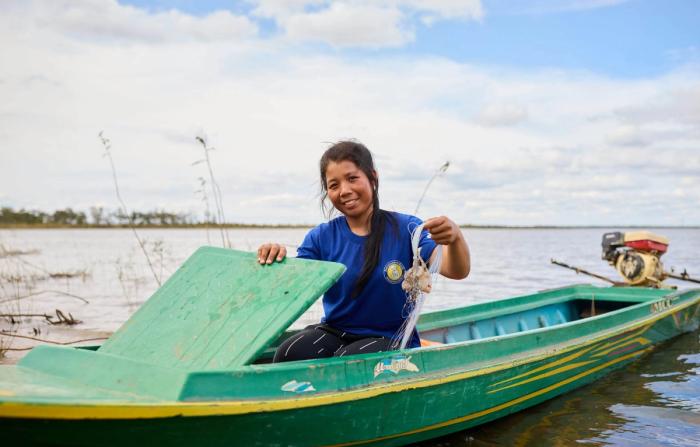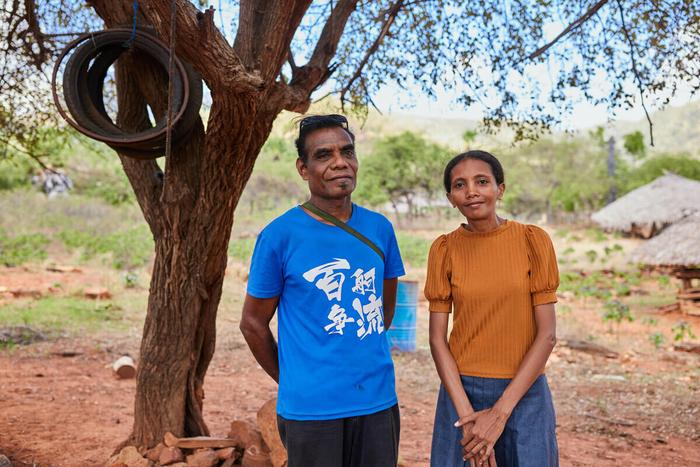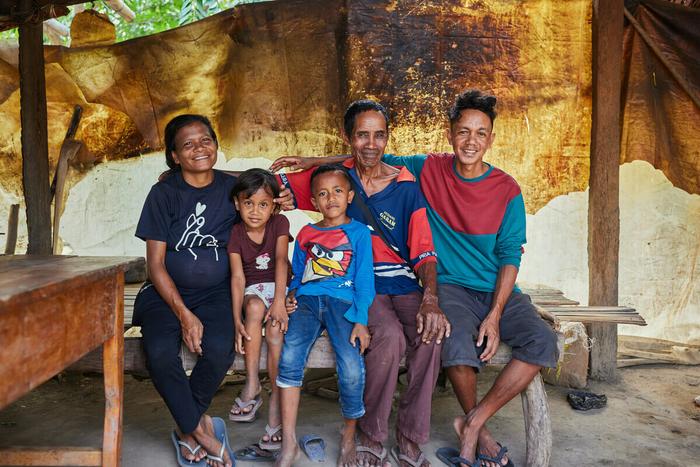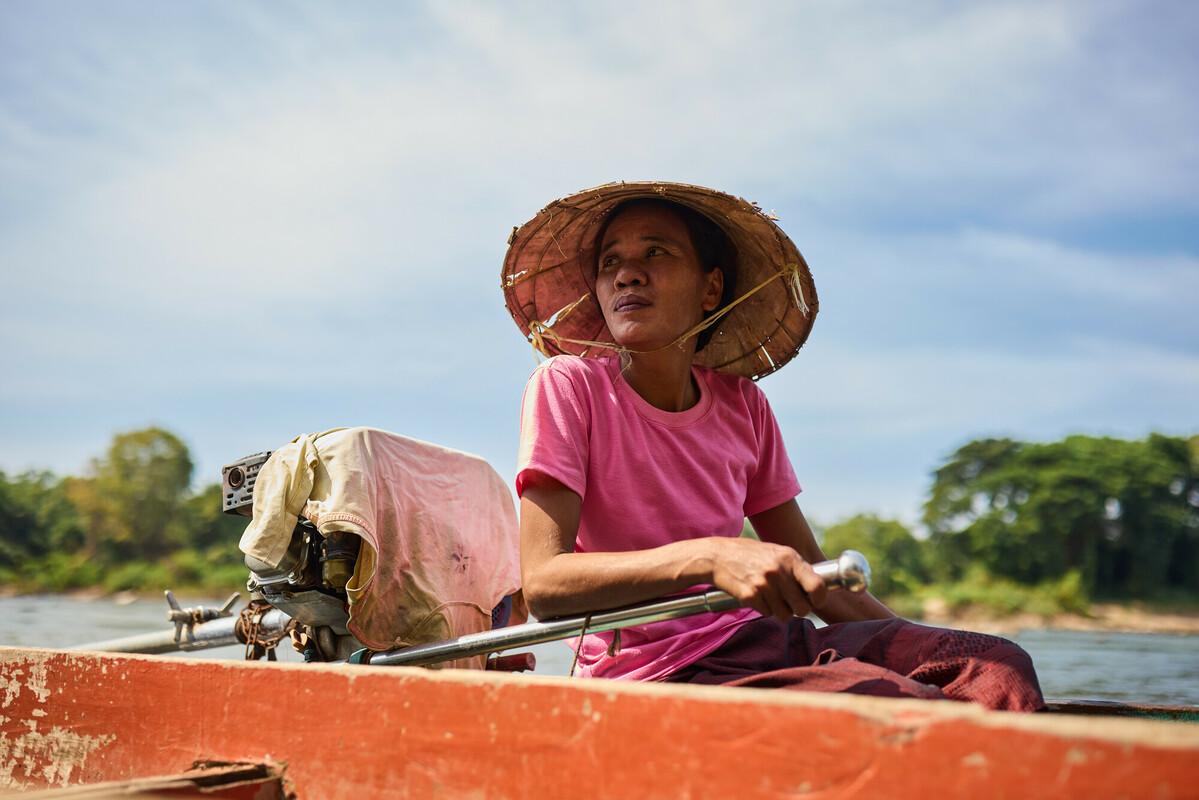
Lao's People Democratic Republic: Poui is a fisherwoman, and before the dam construction nearby, she was able to make a living and provide for her family with the income from fishing. She has since lost her livelihood. Photo: Patrick Moran/Oxfam. Oxfam acknowledges the support of the Australian Government through the Department of Foreign Affairs and Trade (DFAT).
Economic equality
Reshaping wealth, power and opportunity for all.
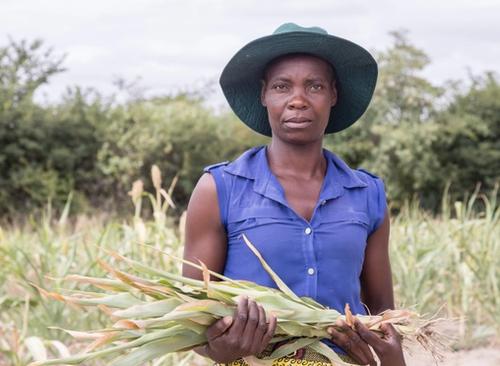
Zimbabwe: Elizabeth Mutimwii, a farmer, holding plants, the harsh sun and low rainfall devastated her crops. Photo: Loliwe Phiri / Oxfam
our approach
Economic inequality — which includes wealth inequality and income inequality — is a result of deliberate policies that privilege the super rich and exclude the vast majority of people.
It is undermining progress against poverty, damaging economic growth and causing public anger and unrest, especially as climate-related disasters become more common.
Through our programs, campaigns and advocacy, we are building fairer economic systems to protect the environment, provide economic justice and deliver a future where everyone has a fair chance for a decent and dignified life.
The growing gap: concurrent rise of extreme wealth and extreme poverty
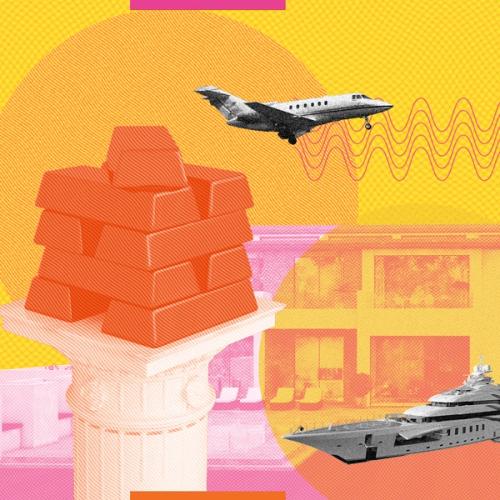
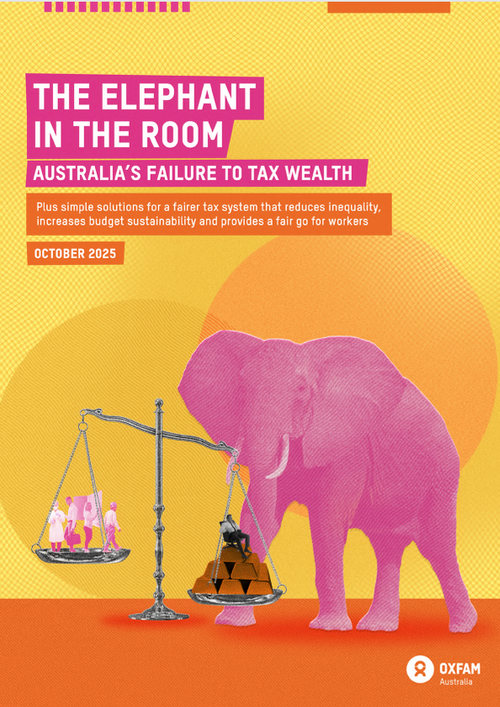
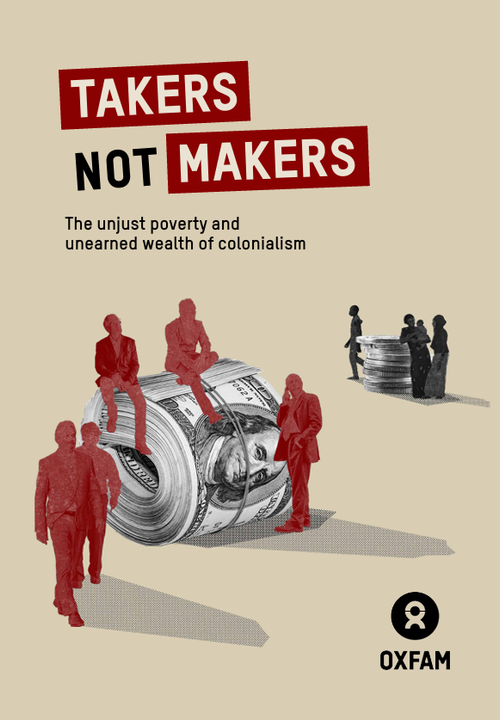
Extreme wealth and extreme poverty have increased concurrently for the first time in 25 years. The richest 1% of people have more than twice the combined wealth of the other 99% of the world’s population.
Economic inequality is the result of the unequal distribution of income and wealth between different groups of people.
This huge divide between rich and poor is based on a flawed and sexist economic system that values the wealth of the privileged few — mostly men — more than the billions of hours of unpaid and underpaid care work done primarily by women and girls.