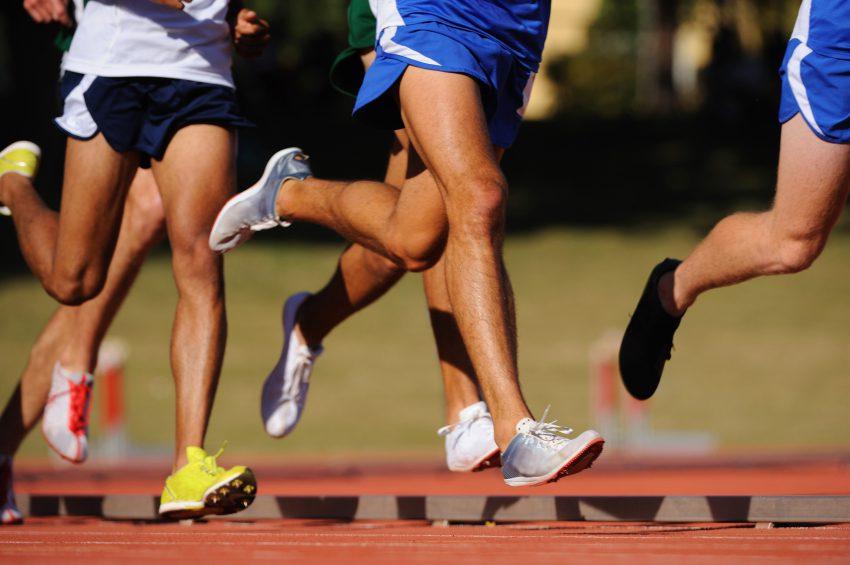
While our athletes prepare to go for gold at the London Olympics, the workers who make the clothes they wear are being forced to work excessive hours for poverty-level wages, a recent report has found. Oxfam is calling on the Australian Government to ensure workers who produce sportswear for Australia’s Olympic athletes are treated fairly.
The report, released by global labour rights alliance Play Fair, investigated 10 factories in three countries where more than 32,000 workers are producing sportswear the London 2012 Olympics. It found workers – producing sportswear for brands like adidas, Esprit and Speedo – were often forced to work more than 60 hours per week and were paid as little as 25% of the living wage.
Workers in the factories face discrimination and poor working conditions, while being denied stable employment and their right to unionise.
The report is a stark reminder that while the Olympics are meant to be a showcase of fairness and respect, the same ideals are not being extended to the workers producing sportswear for the Games.
The London Organising Committee of the Olympic Games (LOCOG) subscribes to the Ethical Trading Initiative (ETI) Base Code, which is supposed to guarantee a living wage, secure employment, healthy and safe working conditions, freedom of association and prohibit child and forced labour.
The Play Fair report, however, has found frequent, significant breaches of this code in Olympic supplier factories.
A further issue is that LOCOG has only partially disclosed the names and addresses of factories supplying sportswear for the Olympics. Without full disclosure it is difficult for unions or labour organisations to verify conditions. Highlighting the importance of transparency, Oxfam and labour rights groups have commended adidas’ decision to release a list of all factories producing for the 2012 Olympics. Adidas must now go further and ensure that labour violations that take place in those factories are addressed in a fair and transparent manner.
In the meantime, how can Australia ensure that the only sweat on its olympic uniforms is from the backs of its athletes?
The Australian Government needs to assure the Australian public that the uniforms our athletes will be wearing are not made under sweatshop conditions. They must also raise their voice to encourage LOCOG to live up to the standards they have set themselves and demand fair working conditions for the people producing Olympic sportswear.