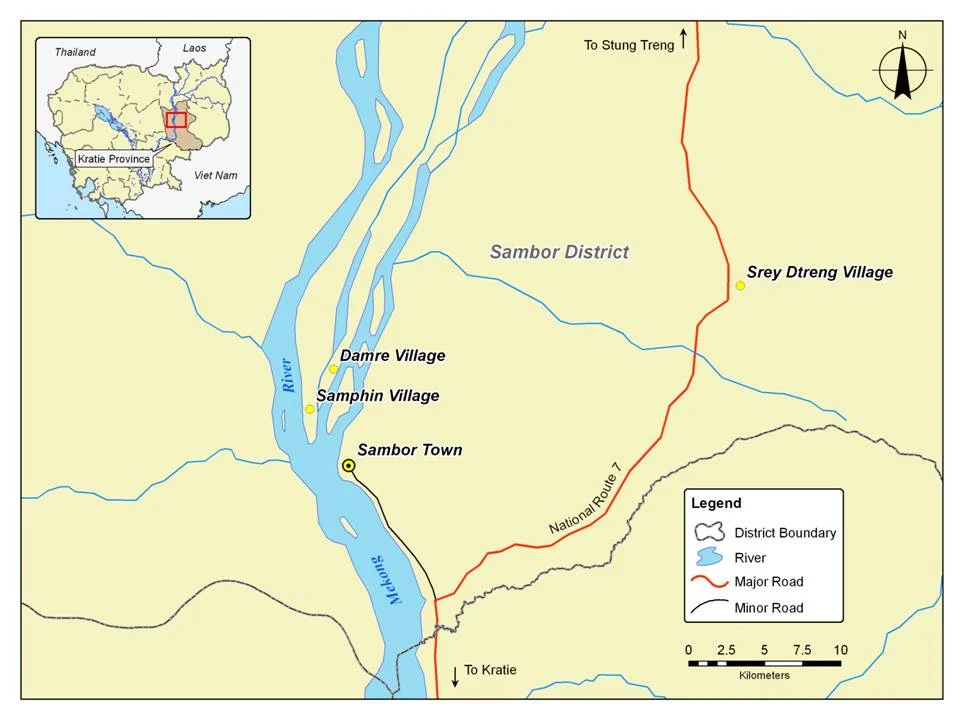
Cambodia is home to one of the world’s most productive and abundant inland fisheries, which contribute nearly 12 per cent of Cambodia’s GDP and are a vital source of food, nutrition and income.
The Stung Treng and Sambor hydropower dams planned for the mainstream of the Mekong River in Cambodia threaten the sustainability of these freshwater fisheries. Oxfam Australia, in conjunction with Cambodia’s Fisheries Administration, Danish International Development Agency and WWF, has supported a study to assess the dams’ potential impacts.
Findings indicate that the dams would reduce the supply of fish and aquatic animals by 6 to 34 per cent — negatively affecting public health and seriously impacting vulnerable rural communities that depend on fish and aquatic resources.
The photographs by Glenn Daniels are from “Preserving Plenty“, which documented the stories of people living in Sambor district – their lives and livelihoods, the challenges they face and their hopes for the future.
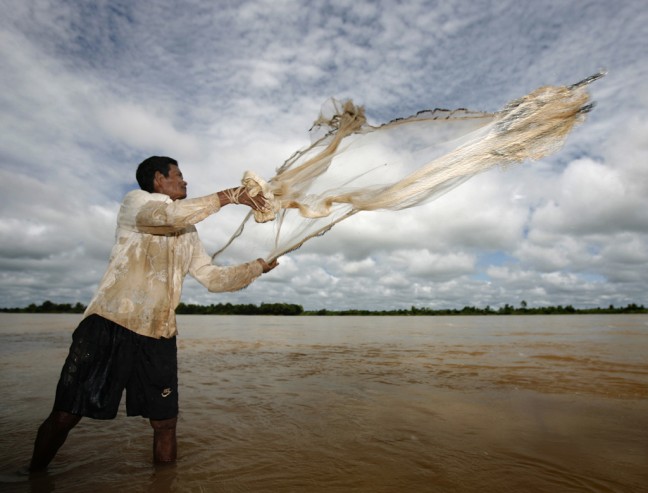
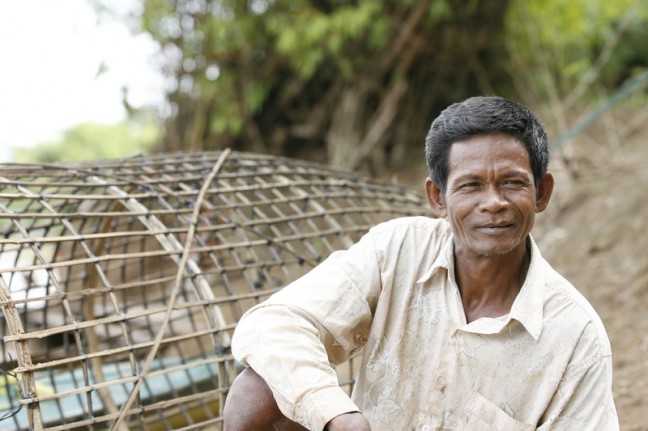
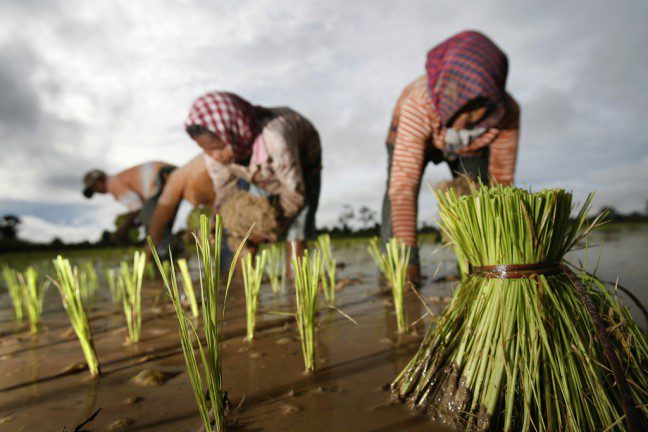
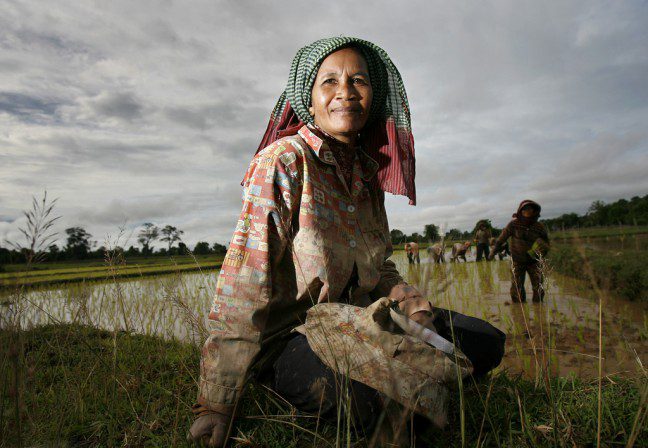
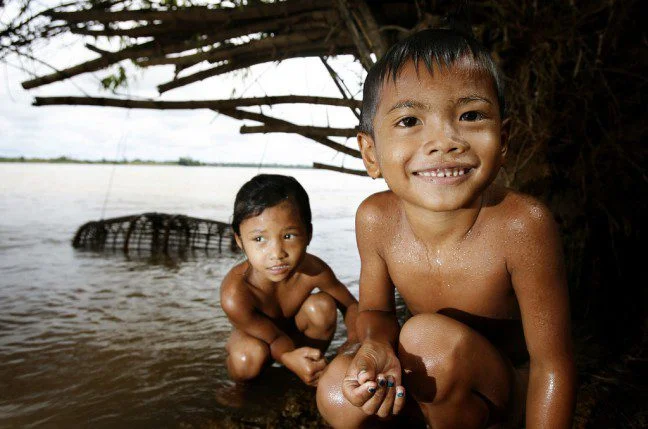
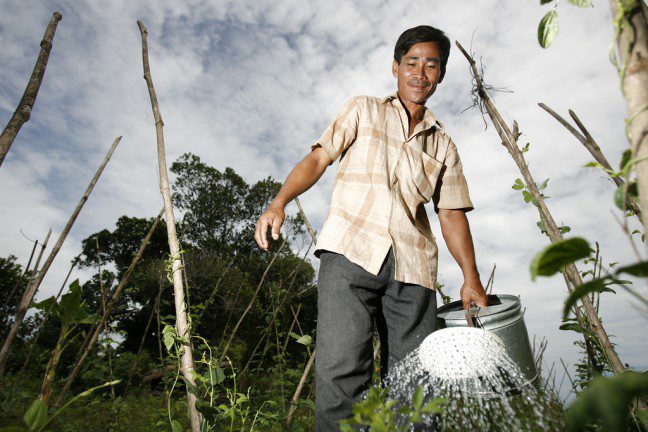
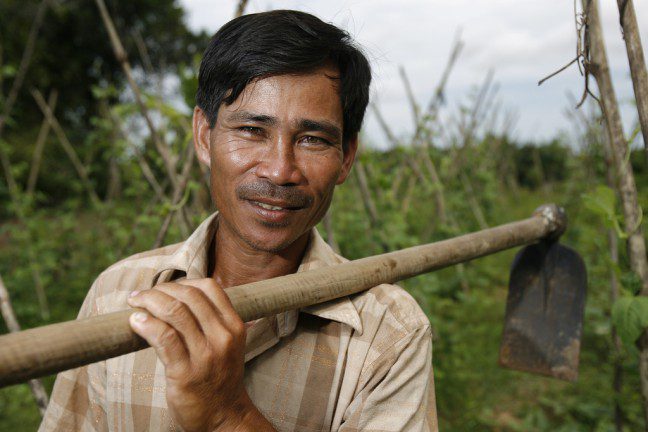
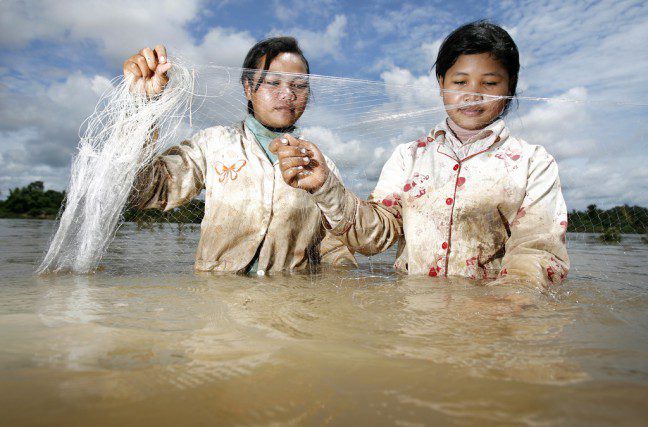
Lai sa-at from Samphin village goes fishing every day, usually twice a day. In the wet season he uses a range of methods to maximize his catch: gill nets, fish traps, hook and line and cast net. Lai sa-at and his family eat fish with every meal, which forms virtually their entire protein intake. Any fish that has not been eaten or sold are made into pra hok, the fermented fish paste which is a staple in Khmer cooking. Photo: Glenn Daniels/Manna GumLai sa-at from Samphin village. Photo: Glenn Daniels/Manna GumRice transplanting time is the busiest time of the year. Lai Phal receives assistance from other women in her household and the village under a shared labour arrangement. She will help out in her neighbour’s fields tomorrow. Photo: Glenn Daniels/Manna GumLai Phal’s family owns about one hectare of paddy field and two buffalos with which to plough their land. In a good year this produces enough rice for her family to eat with some left over to sell. In the Cambodian diet, rice is the major contributor of energy intake (about 60 per cent of total energy intake), followed by aquatic resources (12 per cent). Photo: Glenn Daniels/Manna GumA UNICEF/World Food Program Survey shows that fish is part of the daily diet of 74-80% of all children over 11 months old, for whom the main source of protein is pra hoc. Thus any reduction in availability of inland fisheries would have direct impact on children’s health and nutrition, especially those living in rural areas. Photo: Glenn Daniels/Manna GumLike everyone else in Damre village, Dong Chana fishes and grows rice. He also grows vegetables – such as long beans, eggplant, gourd, cucumber, and pumpkin – which not only help feed his family, but also provide a source of additional income. Photo: Glenn Daniels/Manna GumDong Chana ploughs and tills the land, his wife plants the seeds and they both share in watering the gardens, along with their children. Photo: Glenn Daniels/Manna GumUm Srey Noy and So Srey Nic check their nets for fish before heading off to school. Photo: Glenn Daniels/Manna Gum
Read more blogs
How will Indonesia be impacted by climate change?
Climate change in Indonesia is already reshaping daily life. People face rising seas, more intense storms and floods, and longer heatwaves that are disrupting their access to food, water and...
The impacts of rising sea levels on Indonesia’s coastline
Indonesia’s sea levels are rising faster than the global average — 4.97 mm per year on average, with some areas rising much, much faster. 4.97 mm. A small number, but...
Meet Jennifer Tierney, Oxfam Australia’s new Chief Executive
Oxfam Australia has a new Chief Executive, Jennifer Tierney. We’d like to officially welcome Jennifer aboard and thank Chrisanta Muli for acting in the position this year. Chrisanta’s leadership and...