The sheer scale and intensity of mining, oil and gas exploration and extraction today is unprecedented. Each year more than 50 billion tons of minerals and hydrocarbons are excavated, siphoned and pumped out of the earth globally — double what was extracted ten years ago.
More than $1 trillion dollars is invested globally each year in natural resource extraction dwarfing global spending on aid and development. Too often those most affected by extractive industries—those who bear the everyday burden of the social and environmental dislocations of these projects—have no say in whether or not to dig up the resource or how resource revenues should be spent.
It’s a question of power.
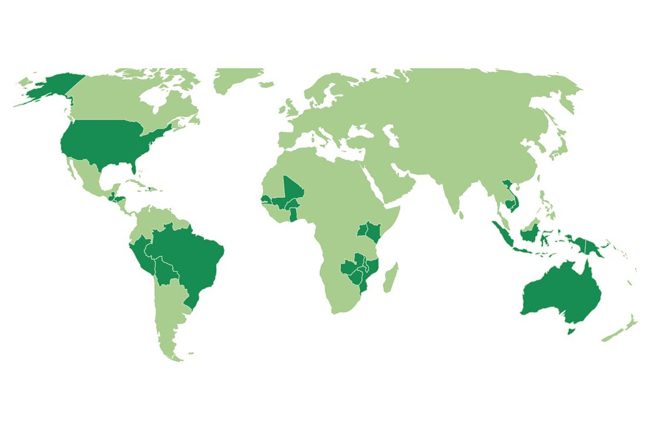
For more than 15 years, Oxfam affiliates across the confederation have worked with local partners to propose real solutions to this dilemma and lead policy and legal reform across domestic and global forums. By visiting our brand new interactive map, you can discover where Oxfam works on mining, oil and gas issues and how your support is helping.
As you explore the map you will:
- See at a glance where we work on extractive industry issues
- Get a snapshot of what’s at stake for our local partners
- Understand how and why we do the work we do
- Learn more and find ways to take action
Peruse Oxfam’s interactive map on our work in the extractive industries.