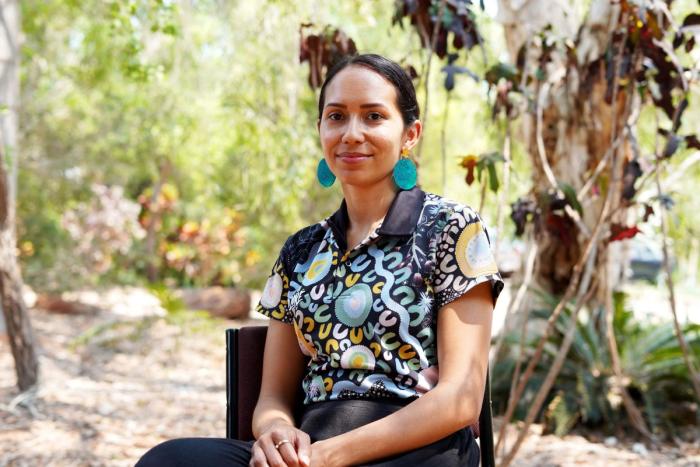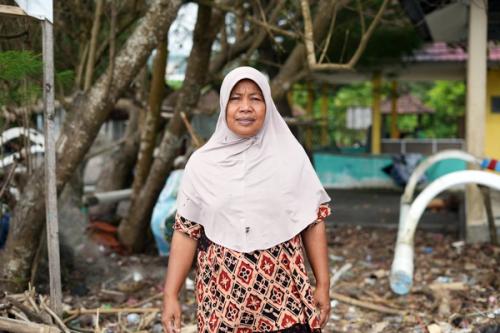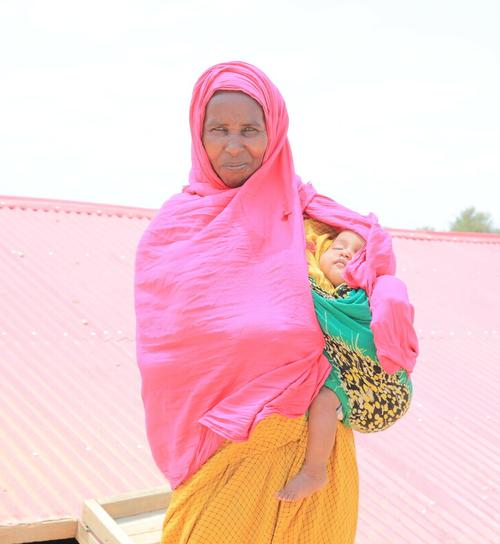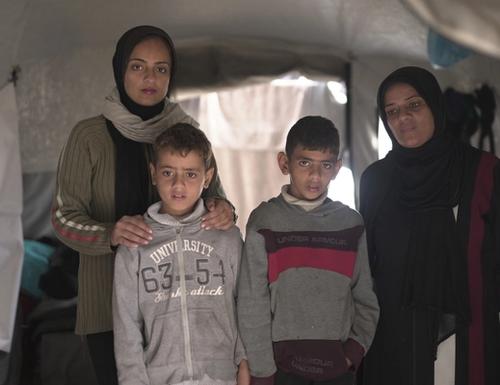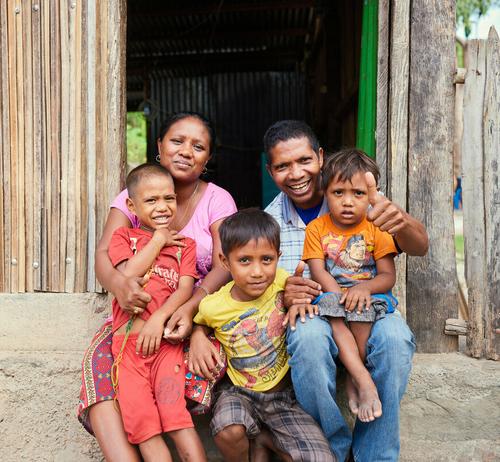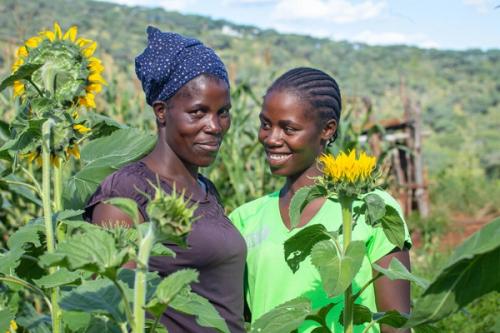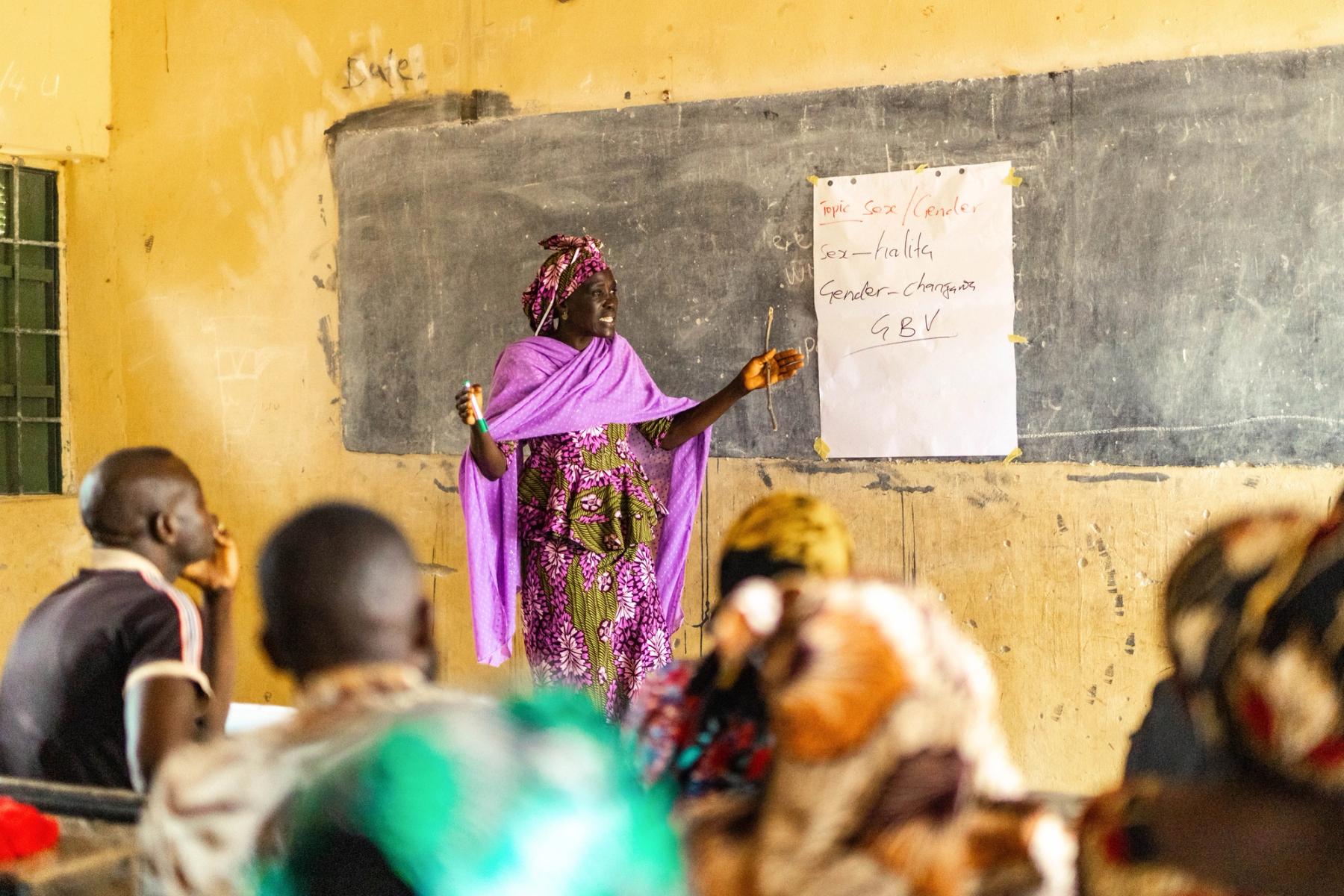
Nigeria: A group of community members have a meeting as part of the Promoting Women's Rights and Gender Equality program. Photo: Dinovate Solutions/Oxfam
What is gender-based violence?
Understand the forms it takes, what causes it, and how we work with local women’s organisations to end it.
Gender-based violence is any harmful act directed at a person because of their gender. It’s rooted in unequal power between women and men, and enforced through systems, norms and institutions that have long privileged one gender over another.
It affects women, girls and LGBTQIA+ people the most, across every country, culture and income level. It happens in homes, schools, workplaces, conflict zones and online. It’s one of the most widespread human rights violations in the world, and a direct consequence of gender inequality.
This page explains what gender-based violence is, what causes it, the forms it takes, and how Oxfam works alongside local women’s organisations to end it.
Content warning: This article discusses violence, including sexual assault. Some readers may find this content distressing.
If you or someone you know needs support, contact 1800RESPECT on 1800 737 732 (24 hours, 7 days). In an emergency, call 000.
Forms of gender-based violence
Gender-based violence takes many forms. They share a common root: the use of power over another person because of their gender.
Physical violence
Physical violence includes hitting, pushing, kicking, restraining and any other use of force against a person’s body. It’s the form most commonly associated with domestic violence, but it also occurs in schools, communities and conflict settings. It’s often accompanied by other forms of abuse, including psychological and economic control.
Sexual violence
Sexual violence includes sexual assault, rape, sexual coercion, reproductive coercion and unwanted sexual contact. The majority is perpetrated by someone known to the person. In conflict settings, sexual violence is sometimes used deliberately as a weapon of war, targeting civilian populations to destabilise communities and cause lasting harm.
Psychological and emotional abuse
Psychological and emotional abuse includes threats, humiliation, coercive control, isolation from family and support networks, and sustained undermining of a person’s sense of reality. In some settings, it’s minimised because it leaves no visible marks. But its impacts on mental health, autonomy and decision-making can be severe and lasting. The Australian Bureau of Statistics (ABS) found that 23% of women in Australia have experienced emotional abuse from a current or former partner.
Economic and financial abuse
Economic abuse includes controlling access to money, preventing employment, running up debt in a partner’s name and withholding financial information. It effectively traps a person in a violent situation by removing their capacity to leave.
The ABS found that 16% of women in Australia have experienced economic abuse from a current or former partner.
Online and technology-facilitated abuse
Online and technology-facilitated abuse includes non-consensual sharing of intimate images, digital stalking via GPS or spyware, online harassment and threats made through text or social media.
Research published by ANROWS found that half of all Australians will experience technology-facilitated abuse in their lifetimes. Women are disproportionately affected, with female victim-survivors significantly more likely to experience abuse from a current or former intimate partner, to be targeted repeatedly, and to report fear and coercive control.
Harmful practices
Harmful practices include female genital mutilation (FGM), child and forced marriage, and honour-based violence. They’re enforced through community or family pressure and are internationally recognised as human rights violations with no medical justification.
According to the World Health Organization, 230 million girls and women alive today across 30 countries in Africa, the Middle East and Asia have undergone FGM. UNICEF found that globally one in five young women aged 20 to 24 years were married as children.
What causes gender-based violence?
Gender-based violence is not simply the result of individual anger, mental illness or personal failing. It is shaped by broader social, cultural, and institutional inequalities that influence attitudes, behaviours and power.
At its root is gender inequality: the unequal distribution of power, resources and decision-making that disproportionately affects women and girls; as well as people with diverse gender identities. Where gender inequality is entrenched, violence can become one of the ways it is enforced — restricting the safety, freedom and opportunities of others based on their gender.
Read more about how patriarchal systems produce gender inequality.
Rigid gender norms often compound this. Beliefs about who is entitled to power, whose voices matter and what people should accept in relationships aren’t natural or inevitable. They’re taught, reinforced and, in many contexts, excused. When attitudes tolerate or minimise violence, it creates permission for more violence.
Intersecting factors can deepen the risk further. A person living in poverty is less likely to have the resources to change their circumstances. Conflict and displacement can disrupt support networks that keep people safe. Discrimination based on race, disability, sexuality and age can increase the risk of harm.
These are some of the factors that can intersect with gender inequality, meaning some people face greater risks and barriers to support than others.
Understanding the structural causes tells us what changes we need to see. Responding to individual incidents is necessary and urgent. Ending gender-based violence requires changing the systems, norms and power structures that tolerate and enable it, which is precisely what Oxfam’s gender equality work is designed to do.
Gender-based violence around the world
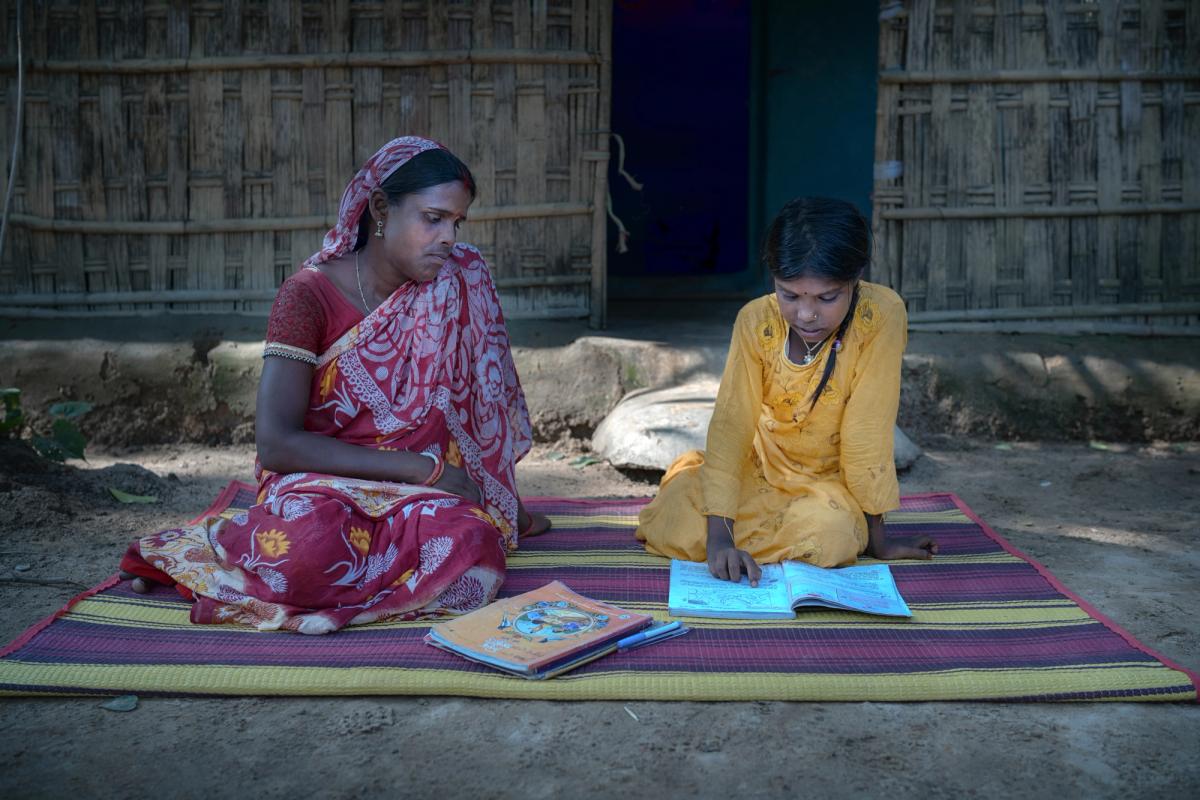
Bangladesh: Munni with her daughter. Munni is a tea garden worker and earns just 170 Taka [AU$2.30] per day. She has to take out loans in order to buy groceries and then struggles to pay these loans back. Munni attended training run by Oxfam partner organisation, Breaking the Silence, and says she has gained courage through this training. Photo: Fabeha Monir/Oxfam. Oxfam acknowledges the support of the Australian Government through the Australian NGO Cooperation Program (ANCP).
According to the World Health Organization, approximately one in three women globally have experienced physical or sexual violence from an intimate partner or non-partner sexual violence.
This is not rare or isolated. It’s a global crisis that’s at its worst where women have the least power and economic independence. Gender-based violence and poverty can reinforce each other. For example, violence limits women’s access to work, income and education, and poverty can limit the options that make safety possible.
In the Solomon Islands, two in three women have experienced family and sexual violence from an intimate partner. In a predominantly patriarchal society, violence can be normalised and reinforced by rigid social hierarchies.
Women who challenge gender norms are often blamed for the violence perpetrated against them. Widows, divorced women and LGBTQIA+ people face even greater risk.
In Bangladesh, Oxfam’s local partner Breaking the Silence works with women and children to share knowledge about gender-based violence.
Munni works eight hours a day in a tea plantation in Bangladesh, earning $2.30. Before her workday begins at 8am, she has already been awake since 4am feeding cattle, cleaning, and cooking for her family.
Now, Munni and workers like her can speak up for fairer pay and safer working conditions. She understands child marriage is prohibited, and that she can tell someone if she experiences or witnesses family violence. As she put it: “When meetings started here, I attended those and gradually gained courage. Now, there is no fear.”
Oxfam has worked alongside communities and local women’s organisations in the Solomon Islands and Papua New Guinea to create pathways for survivor support, engage men in changing harmful norms, and build community-led responses to family and sexual violence.
Sustainable change comes from within communities, led by people who best understand the local conditions of inequality and have the support to change them.
Why crises and disasters increase the risk
In stable conditions, women facing gender-based violence may have access to partial protections: a support network, economic independence, legal recourse, community oversight. In a crisis, those protections can disappear all at once.
Conflict, displacement and disaster can disrupt housing, fracture communities and remove opportunities to earn money. They overwhelm legal and health systems and force families into overcrowded temporary settings with limited privacy and security. In these situations, some people even exploit the breakdown of order.
All of this raises the risk of gender-based violence — particularly for women and girls who were already living in poverty before the crisis began.
The UN’s lead agency on gender-based violence in emergencies, UNFPA, documents a dramatic increase in gender-based violence in humanitarian settings. Oxfam works to maintain GBV prevention and response even in the most difficult contexts, integrating gender-based violence support into the humanitarian assistance we deliver alongside local partners. Learn how Oxfam delivers humanitarian aid.
Gender-based violence in Australia
Gender-based violence happens all across Australia, in every demographic.
According to the Australian Bureau of Statistics Personal Safety Survey, 23% of women in Australia have experienced physical violence from an intimate partner since the age of 15. A further 22% of women have experienced sexual violence since the age of 15.
The most severe form of this violence is fatal. The Australian Institute of Criminology recorded 32 women killed by an intimate partner in 2024–25. The AIC now publishes a quarterly intimate partner homicide dashboard, updated regularly, so that data on women killed by partners is available sooner.
First Peoples women face a much higher risk. The Australian Institute of Criminology also found that Aboriginal and Torres Strait Islander women are killed at a rate more than nine times that of non-Indigenous women, and of those killed by a male offender, 77% are killed by an intimate partner.
This disparity reflects the compounding of gender inequality with the ongoing impacts of colonisation, systemic racism and the under-resourcing of community-led safety responses.
Oxfam’s previous partner Kimberley Aboriginal Women’s Council (KAWC) worked with First Peoples communities in the Kimberley to address family violence on community terms, centring First Peoples women’s leadership, knowledge and self-determination in building safety.
If you or someone you know needs support, 1800RESPECT (1800 737 732) is available 24 hours a day, 7 days a week. In an emergency, call 000.
The 16 Days of Activism against Gender-Based Violence
Every year, from 25 November (which is the International Day for the Elimination of Violence Against Women) to 10 December (Human Rights Day), the world marks the 16 Days of Activism against Gender-Based Violence.
The campaign began in 1991 and has grown into one of the largest coordinated global efforts to end violence against women and girls, with participation from hundreds of countries and thousands of organisations.
The dates are deliberate, connecting violence against women directly to the broader framework of human rights and making clear that safety is a human rights issue.
Oxfam and our partners use the 16 Days to raise awareness, elevate the voices of women, girls and all people leading change in their communities, and call on governments and institutions to take the systemic action that the scale of this crisis demands. Visit our gender equality hub to see how you can get involved.
How Oxfam works to end gender-based violence, and how you can help
Gender-based violence is shaped by systems and rules that allow violence to persist. Ending it requires changing those rules.
Oxfam works alongside local women’s organisations in more than 30 countries, backing communities to lead their own solutions.
Globally, we partner with organisations to help women and girls assert their rights and engage men to shift the norms that excuse violence. And we push governments and institutions to change the rules that allow gender-based violence to continue.
Real change happens when enough of us push for it. Whether you give, raise your voice, or help spread the word, you can challenge gender-based violence. Will you donate today?
Need support? Contact 1800RESPECT on 1800 737 732 (24 hours, 7 days). In an emergency, call 000.