Article written by Rod Goodbun
A new analysis by Oxfam International has found that wealthy nations are expected to fall up to $75 billion (USD) short of fulfilling their long-standing pledge to mobilise $100 billion (USD) each year from 2020 to 2025 to help the most vulnerable countries adapt to the dangerous effects of climate change and reduce their emissions.
What is climate finance?
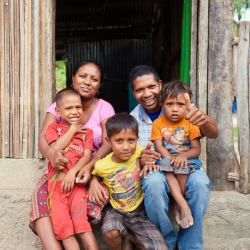
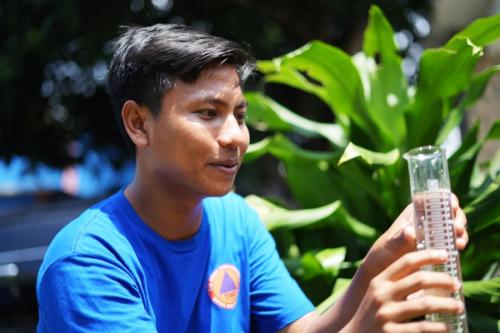
Called climate financing, these financial contributions for climate aid and development ideally go towards supporting the rights, needs and interests of communities in low-income countries. Projects are focussed on reducing emissions, adapting to the changing climate and building resilience. For example, light rail in Costa Rica to reduce transport emissions, landscape management in East Timor, addressing water sector vulnerability in the Marshall Islands and building resilience for small scale farmers in many countries.
The need for financing to enable communities in low-income countries to respond to the climate crisis is becoming increasingly urgent. Achieving enhanced commitments to climate finance from wealthy countries will be critical to the success of the United Nations (UN) COP26 meeting in Glasgow scheduled for November this year. In preparation for COP26, President Biden has announced the US will quadruple its climate finance contributions in a move that is hoped to lead other nations to contribute more.
Meanwhile, Pacific Island Ministers are continuing to advocate for urgent and decisive action to reduce emissions. In a recent meeting with COP26 President-designate Alok Sharma, the Ministers emphasised the need for emissions to peak by 2025 to ensure that Pacific Island countries are protected from the most severe effects of climate change.
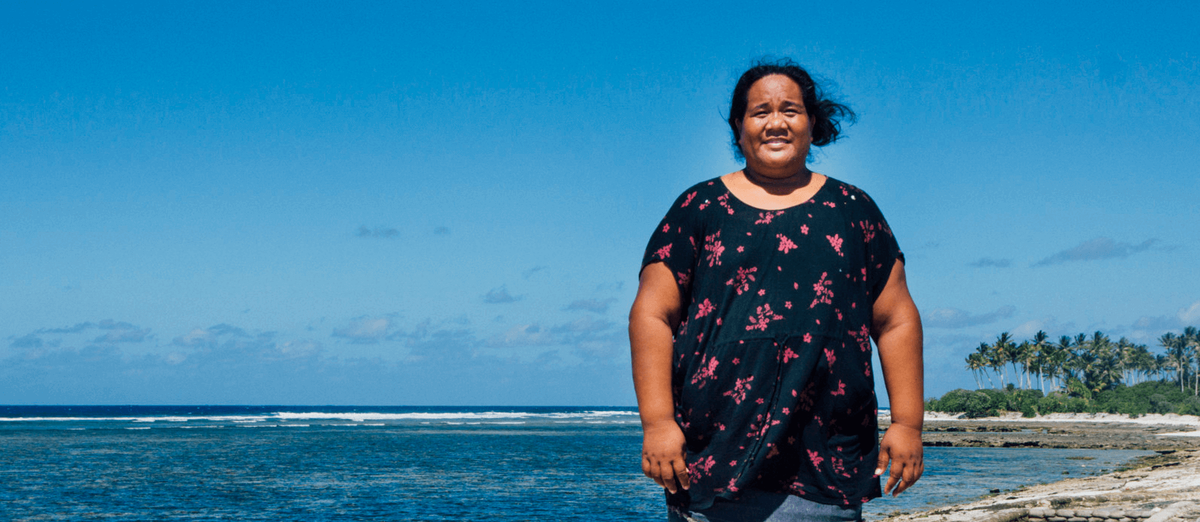
Right now, our neighbours in the Pacific face one of the greatest injustices of all time. While the climate crisis is indeed a global problem that affects all of us, it hurts some communities more than others – and Pacific island countries carry more than their fair share of the burden. From Fiji to Solomon Islands to Papua New Guinea, Pacific island nations have some of the smallest carbon footprints on the planet. And yet, despite gently treading the earth for generations, the people from these countries are among the first to feel the destructive, devastating and irreversible impacts of climate change. In short, our Pacific neighbours are mopping up a mess they didn’t make. Wealthier countries that are responsible for most of the pollution need to do more.
An urgent need to phase out coal, oil, and gas production
Ahead of COP26, a new synthesis by the UN of countries’ climate action plans concludes that the planet is on track to warm by more than 2.7 °C by the end of the century, massively missing the goal set in the Paris Agreement of remaining below 1.5°C.
This comes hot on the heels of findings by UK researchers that nearly 60 per cent of oil and fossil methane gas, and 90 per cent of coal must remain in the ground or under the ocean to allow a 50 per cent chance of remaining within a 1.5 °C carbon budget. For Australia, it means leaving 95% of our coal in the ground.
We know that burning fossil fuels – coal, oil and gas – is the main source of emissions that are heating the planet. While it is encouraging that many large institutional investors are moving money out of fossil fuels and working together to align their investment activities with the Paris Agreement, so far there has been a reluctance from governments to collaborate on ending fossil fuel production.
One bright spot on the horizon comes from an alliance being forged by Denmark and Costa Rica of countries willing to fix a date to phase out oil and gas production and to stop giving permits for new exploration. The group is called the Beyond Oil and Gas Alliance (BOGA) and they are acting to restrict domestic oil and gas production in line with what is required to live up to the Paris Agreement goals. The alliance is to be launched at COP26 in Glasgow, but Reuters has reported that a core task for the BOGA would be to establish a deadline for developing and developed countries to phase out existing oil and gas production.
Moves to rapidly transition away from fossil fuels are backed up the International Energy Agency (IEA) which recently produced a roadmap of 400 actions that can be taken to decarbonise our economies. The IEA roadmap made it clear that from today there should be no investment in new fossil fuel supply projects.
This is a critical year for climate action. It is essential that countries make meaningful commitments at COP26 that will limit global warming to 1.5°C and avoid devastating impacts to lives and livelihoods.
It’s clear that all nations, including Australia, must urgently redouble their climate efforts if they are to prevent global temperature increases beyond the Paris Agreement’s goal, play their role in helping low-income nations address the challenges of a changing climate and achieve a meaningful outcome in Glasgow.