Equal access to healthcare is a basic human right, one that should be afforded to every Australian.
But for decades, Indigenous Australians have experienced inadequate and inaccessible health services. Right now, Aboriginal and Torres Strait Islanders can expect a shorter life expectancy and a decreased quality of life compared to non-Indigenous Australians.
It’s a situation you would associate with an impoverished nation, but it is happening right here in our own backyard. Together, we must recognise the gap in health equality and together, we must act to close the gap within a generation.
The current state of Indigenous health
The estimated difference in life expectancy between Aboriginal and Torres Strait Islanders and non-Indigenous peoples is approximately 17 years (Australian Human Rights Commission, 2001). Compared to the non-Indigenous population, Aboriginal and Torres Strait Islander peoples also disproportionately incur a range of preventable illnesses, including cardiovascular disease, diabetes and mental health issues.
Death rates from cardiovascular disease in the non-Indigenous population has fallen 70% in the last 35 years, a statistic Aboriginal and Torres Strait Islander people do not enjoy. The Indigenous infant mortality rate is still cause for concern. Indigenous babies are affected three times higher than the non-Indigenous population (Australian Human Rights Commission).
These differences between Indigenous and non-Indigenous Australians stand in the way of an equitable and just Australia.
How do we fix it?
Indigenous Australians need to be consulted, empowered, resourced and supported to address the health issues facing their communities. We need to work with communities to eradicate differences in health status and quality of life.
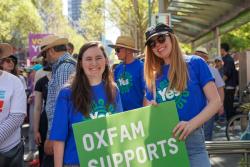
By holding an event on National Close the Gap Day, you’ll be contributing to a fairer, better Australia–one that says no to health inequality, injustice and discrimination.
With some sustained effort, we can tackle the situation head on, confront the problems affecting Aboriginal and Torres Strait Islander communities and work in partnership with these communities.
Together, we will Close the Gap by 2030.