By Ed Pomfret, Oxfam Somalia Campaigns and Policy Manager
In July 2011, Somalia claimed the first famine of the 21st century. Although there were clear warning signs many months in advance, the international community did not begin to respond at scale until the situation had already reached crisis point.
At the time, Oxfam called on the international community and national governments to seize the momentum and commit to a new approach — one that would ensure more is done to protect vulnerable people from an impending food crisis.
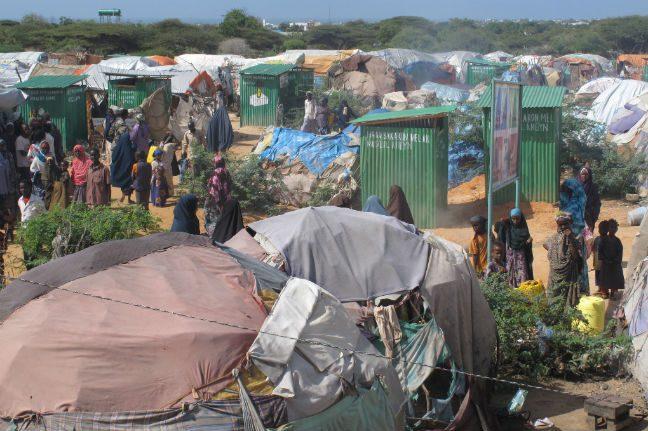
Just three years later, Somalia is once again on the brink of relapsing into a serious food crisis. At the beginning of May, Oxfam came together with 25 other organisations to warn that nearly three million people, a third of the population, are in severe crisis.
But Somalia faces a continued battle against apathy. While the UN has similarly highlighted how fragile and worrying the situation in Somalia is — the appeal for humanitarian funding for Somalia is still only 29% funded. Life saving programs are at risk of closing which will lead to an increase in preventable deaths — unless major supporters step in to save lives in Somalia.
Now, 28 non-governmental organisations have again come together to demonstrate what needs to happen in Somalia to save lives and avoid the catastrophe of 2011.
The new briefing, “Risk of Relapse: Call to Action,” highlights the critical assistance needed in the next three to six weeks in healthcare, water, nutrition, education and sanitation. But beyond immediate needs, the briefing also highlights the sustained and consistent support required in order to build people’s resilience.
While security and humanitarian access are huge challenges inside Somalia, these must not be used as excuses for not doing what we can now. Agencies working on the ground are reaching people in need, and the strides we have made through new programs in previously hard-to-reach areas will be lost if funding is not committed as soon as possible.
We have now had eight early warnings of a worsening emergency in Somalia. In the lead up to the Somalia famine in 2011, there were 16.
It costs at least three times more to respond to a food crisis than to prevent it. If we continue to move towards a relapse, it will cost more in the long run — especially the cost of human life.