On 16 May 2026, the World Health Organisation (WHO) declared the Ebola outbreak in the Democratic Republic of the Congo (DRC) a Public Health Emergency of International Concern.
Just 10 days after WHO first received alerts about a high-mortality outbreak of an unknown illness in Ituri Province, DRC, the situation has now been confirmed as a new Ebola outbreak with the potential to affect up to two million people. Here’s everything you need to know.
Our International Crisis Fund helps to support humanitarian crises such as the Ebola outbreak in the DRC and Uganda. Please donate today.
What is Ebola and why is this strain so dangerous?
Ebola is a serious, often fatal illness causes by a collection of viruses that is spread from infected animals and person to person. It causes widespread symptoms including fever, pain, headache, vomiting, diarrhoea, and impaired organ function.
While vaccines for some strains of the illness exist, this strain has no available vaccine or treatment and carries a very high fatality rate (30–50%).
According to Dr. Manenji Mangudu, Oxfam Country Director in the DRC:
“This outbreak is hitting a country already stretched to breaking point. Ongoing conflict and years of aid cuts have deepened a humanitarian crisis of staggering scale: one in four people are going hungry. Those same aid cuts left DRC effectively blind to Ebola, weakening the surveillance systems that should have detected this outbreak weeks earlier.”
Who is this Ebola crisis impacting?
There are currently over 400 suspected Ebola cases and 89 suspected deaths in the DRC. Initially detected in Bunia, the outbreak has spread to Beni, Butembo, and Goma.
Two cases of Ebola have also been detected in Uganda, raising concerns about undetected transmission elsewhere. The rapid spread, combined with an already fragile context marked by conflict, is a concern.
There is a quite a lot of movement of people and trade between DRC and Uganda, as well as DRC and Rwanda, raising the risk of a larger outbreak.
The Oxfam DRC team believes that up to two million people, who are already facing gaps in basic needs, could be affected.
A large outbreak would also worsen the humanitarian situation for a region already impacted by conflict, cuts to humanitarian funding and high levels of poverty.
What is Oxfam doing to address this Ebola outbreak?
While there is currently no vaccine or treatment of this strain of Ebola, Oxfam International are working to deliver public health promotion and support community-lead solutions to break the chain of transmission.
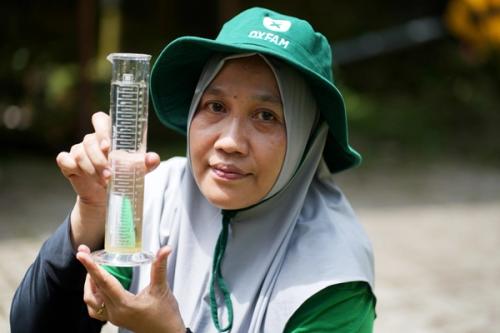
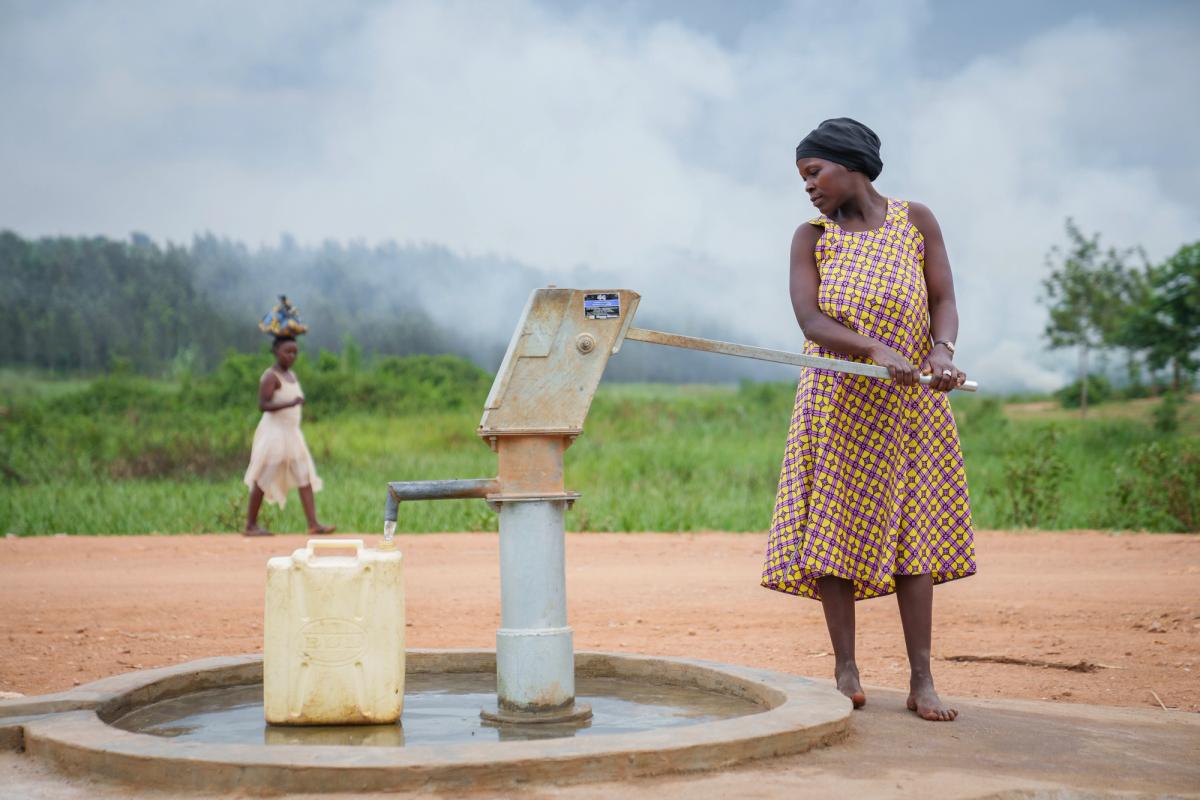
This includes providing life-saving essentials like clean water, hygiene kits and education around this crisis to impacted communities as hygiene and sanitation are key to curbing the spread. Oxfam will also be improving the health infrastructure.
Oxfam have prior experience responding to Ebola outbreaks and were in DRC during the 2018 crisis providing life-saving support. We know how essential it is to intervene as soon as possible.
But despite the urgent need, funding cuts, including the cut of USAID, are hindering Oxfam’s ability to scale up its emergency response.
“This crisis is arriving at a moment of critically depleted humanitarian funding. Without urgent financial assistance, efforts to save lives risk being fatally undermined," said Dr. Manenji Mangudu.
How can I help support people impacted by the Ebola crisis?
By donating today, you can help address humanitarian crises such as the Ebola outbreak in the DRC and Uganda. Your donation will be used to support Oxfam's International Crisis Fund. Our International Crisis Fund ensures that Oxfam and our partners are able to respond quickly and efficiently to support communities who need immediate humanitarian assistance in the aftermath of emergencies.