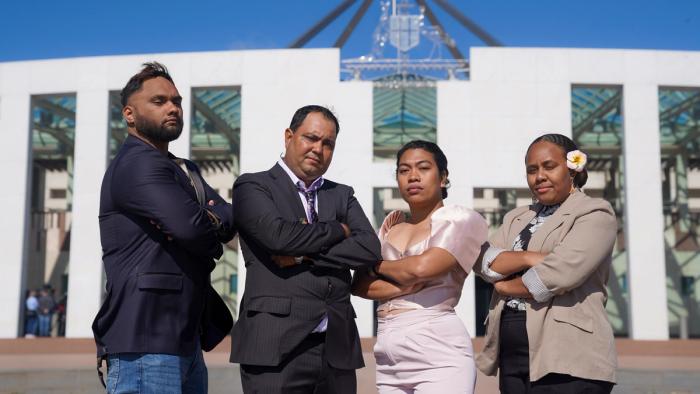
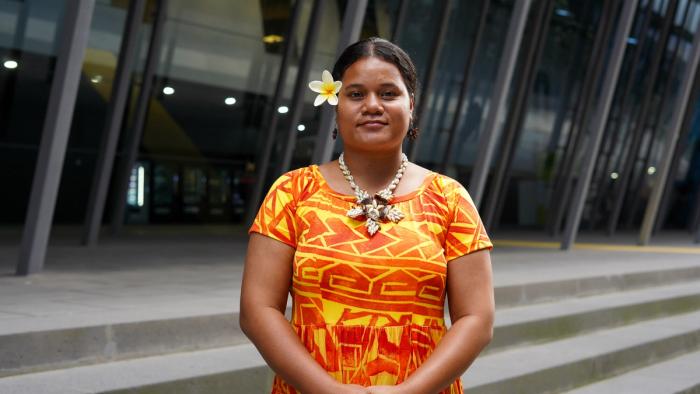
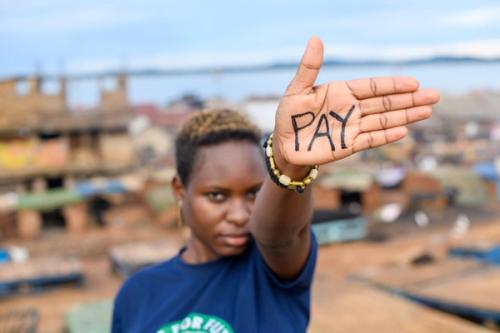
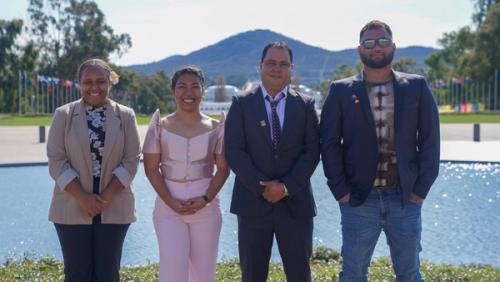
Tanzania - United Republic Of: Climate activists Cynthia, Hilda, Marinel and Pavel at the Climate Justice Camp. Photo: Tim Zijlstra/Oxfam
Safe Climate, Equal Future
Oxfam is spotlighting how inequality drives climate change, and how climate change is deepening poverty and inequality. From the mountain peaks of Nepal to the blue oceans of the Pacific, communities who have done the least to cause climate change are bearing the brunt of its impacts.
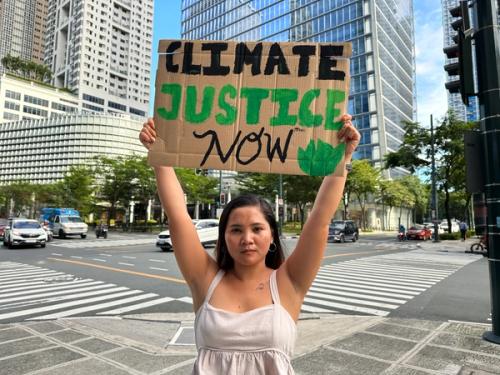
Phillipines: Marinel holding a protest card in front of Shell HQ in Manilla, just like she used to do during the lobby for the petition to have a resolution on Fossil companies abusing human rights by fueling climate change with extractive and polluting activities. Photo: Stories4Change by Climate Tracker.
To create a safe climate and more equal future, we must hold the big polluters to account for their climate damage and ensure they pay their fair share to impacted countries and communities.
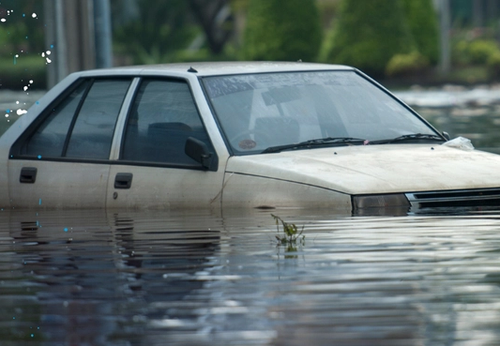
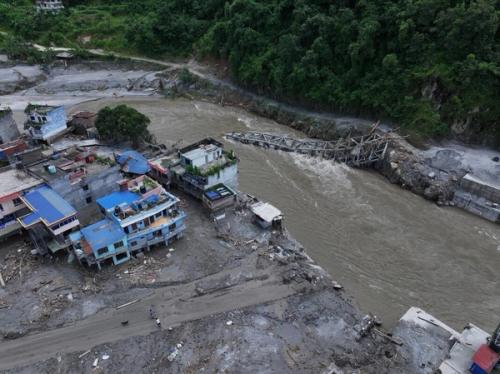
Climate change is causing disasters to become more frequent and severe. These disasters often cause the greatest harm to communities who have the least and have contributed the least to climate pollution. Small islands like those in the Pacific and Torres Strait and low-income countries like Nepal are being hit the hardest by global heating, which is causing heatwaves, flash floods, more extreme cyclones, droughts and sea level rise.
Too often, people are losing loved ones, their homes, their crops and livestock, their livelihoods, and vital infrastructure. People’s health, their community and their culture can be damaged forever. When disasters hit recovery can be long, hard and expensive. After losing everything to climate change-induced disasters, families can face extreme hardship, and those with the least resources to recover are being pushed into deeper poverty, increasing inequality.
Too often, people are losing loved ones, their homes, their crops and livestock, their livelihoods, and vital infrastructure.
People’s health, their community and their culture can be damaged forever. When disasters hit recovery can be long, hard and expensive. After losing everything to climate change-induced disasters, families can face extreme hardship, and those with the least resources to recover are being pushed into deeper poverty, increasing inequality.
Oxfam research shows that the richest 1% of the global population are responsible for more climate pollution than the poorest two-thirds of humanity combined.
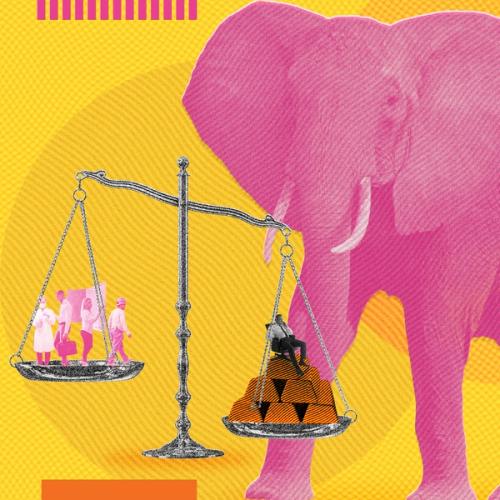
This is due to their lavish lifestyles and investments in highly polluting industries. Big coal, oil and gas corporations are making billions, receive government subsidies and often pay little tax, while the pollution from their products is causing huge damage to the climate and harm to everyday people.
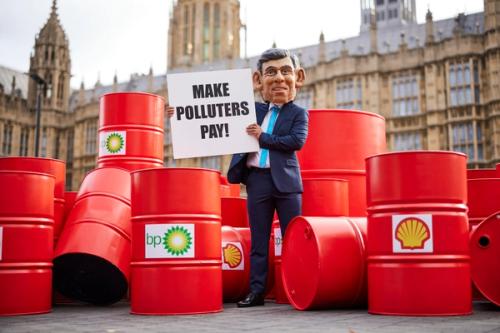
Westminster, London: A campaigner poses as Prime Minister Rishi Sunak outside of the Palace of Westminster, supporting the Make Polluters Pay campaign. Photo: David Levene / Oxfam.