What happened in Nepal?
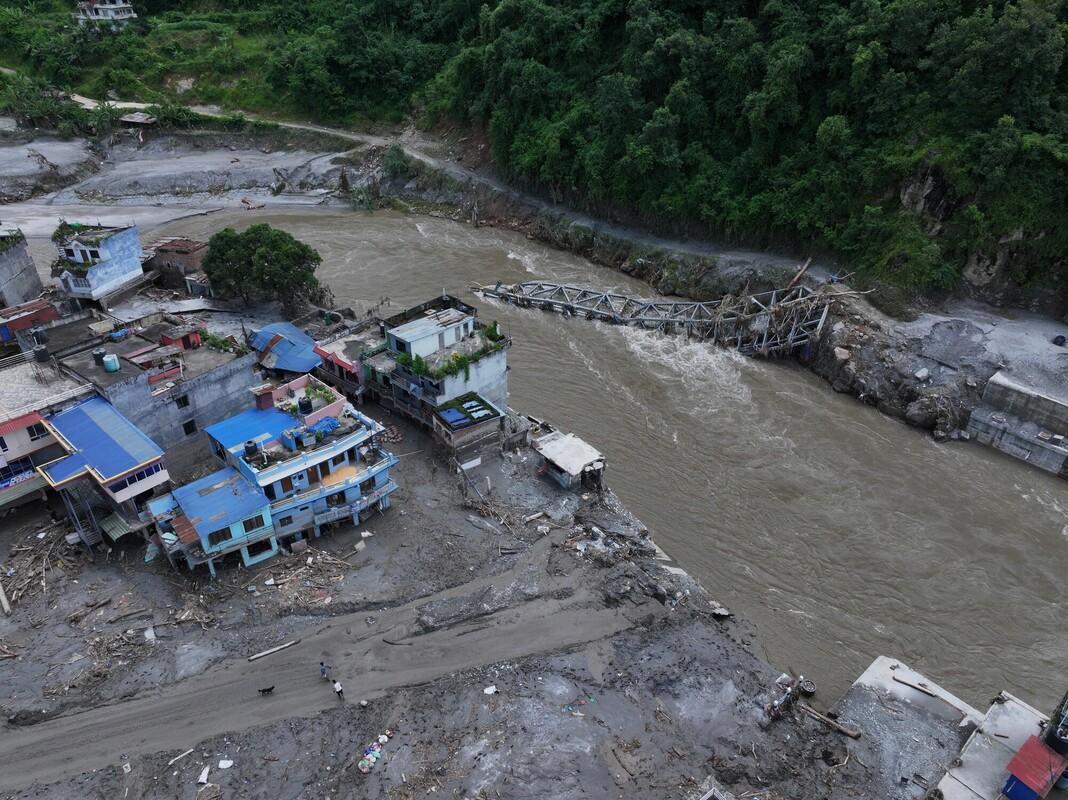
A sudden onset of powerful flood waters entered the Bhote Koshi River from the Tibet side, decimating areas on the Nepal/Tibet border.
While the severity of the disaster is still unfolding, early reports indicate that the floods washed away entire villages while damaging roads, bridges and energy infrastructure.
The flood waters continue to create ongoing risks further downstream along the Trishuli River system. Local authorities have urged communities living along the riverbanks to move to safer locations and remain alert.
While the disaster unfolds, the number of casualties and missing is still undetermined. The disaster zone is difficult to reach but the scale of damage is expected to be severe.
What does this mean for affected communities in Nepal?
- Widespread destruction. Homes, settlements and local market areas have been severely damaged or swept away, leaving families without shelter, income or safe places to gather.
- Loss of access to essential services. With transport routes damaged and electricity disrupted, families face challenges accessing food, clean water, medical care and other essential services.
- Critical infrastructure collapse. Roads, bridges and essential transport routes have been destroyed, cutting off communities and making it harder for emergency teams to reach people in need.
- Power and energy disruption. Hydropower facilities and electricity transmission lines have been damaged, leaving many areas without power and limiting communication, lighting, heating and safety.
- Border and customs area impacted . The Timure/Rasuwagadhi border point has suffered heavy damage, disrupting movement, trade and access to vital supplies.
- Ongoing danger downstream. Floodwaters continue to move through river corridors, creating a serious risk of secondary flooding, landslides and isolation for communities further downstream.
How is Oxfam responding?
With access still limited and needs continuing to emerge, Oxfam teams and partners are closely monitoring the fast‑moving situation and assessing how best to support communities affected by the floods. Our focus right now is understanding where help is needed most and how we can reach people safely.
Our response planning is centered on locally led action, protection and inclusion, and support for the families impacted the most. Depending on needs, our response is likely to include clean water and sanitation, cash‑based assistance, and other essential support to help families recover.
How you can help
If you’d like to support families facing unimaginable loss in Nepal, please donate to the Nepal Flash Flood Emergency Appeal.
Your donation can help local partners with the delivery of clean water, sanitation and hygiene services, cash assistance programs and disaster provisions like blankets, tarps and lights.
Donate to the Nepal Flash Flood Appeal
Emergency Action Alliance
Oxfam Australia is a proud member of the Emergency Action Alliance. The Emergency Action Alliance (EAA) is a simple and effective way for Australian donors to help in an international humanitarian emergency.
The EAA is made up of 15 Australian-based member charities who are experts in humanitarian aid and specialise in different areas of disaster response. By combining the expertise of the 15 members, the EAA can focus the desire of Australian donors to help into a targeted response to an international emergency.
Common questions about the Nepal Flash Flood
The cause of the sudden surge remains under investigation; although a glacial-lake-related event is among the possibilities being considered and being widely reported.
Donate through the Nepal Flash Flood Emergency Response Appeal. Your donation can help families in Nepal access life-saving essentials in the aftermath of disaster.
Yes. Oxfam has an ongoing operational footprint in Dhading and an established mandate to work in Nuwakot. Oxfam is in contact with partners and other humanitarian actors, including INGOs, to support the emerging needs assessment and understand potential response gaps.
In 2015, Oxfam responded to a devastating 7.8 magnitude earthquake in Nepal. Almost 9000 people were killed and more than 850,000 homes were destroyed and damaged.
We worked closely with local partners to deliver clean water, secure shelter, sanitation and hygiene facilities and essential items. After immediate needs were meet, Oxfam supported farmers to regain their livelihoods by providing seeds and tools.
We spend at least 90% of funds raised from emergency appeals (https://www.oxfam.org.au/ways-to-donate/our-appeals/) on our emergency response programs. The remaining 10% covers costs associated with advertising and promoting our appeals, operating our toll-free phone room, processing and receipting donations and audit and financial accountability.
We partner with local organisations because they are at the forefront of a crisis and know what their communities need. This means it’s the communities who make and implement important decisions about their own health and wellbeing.