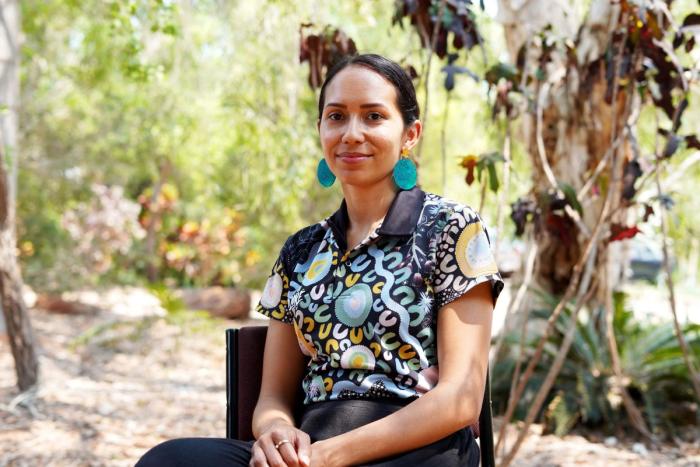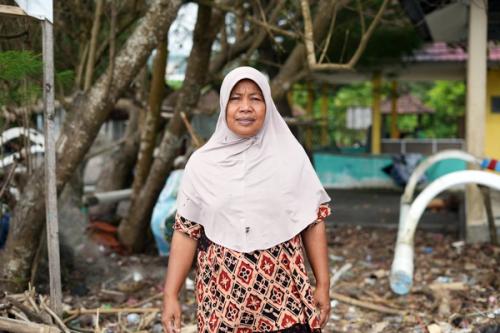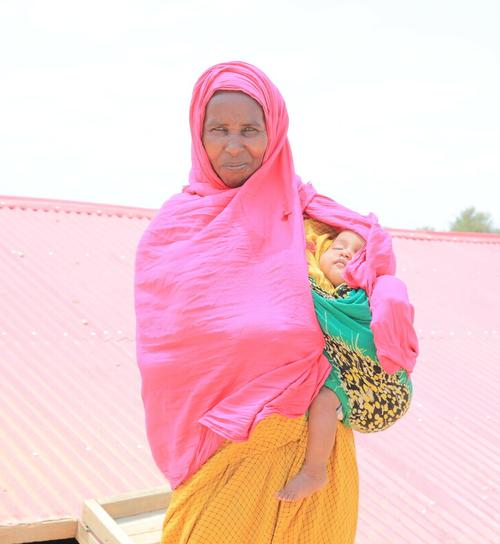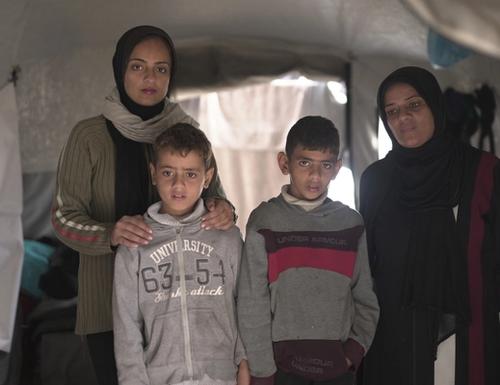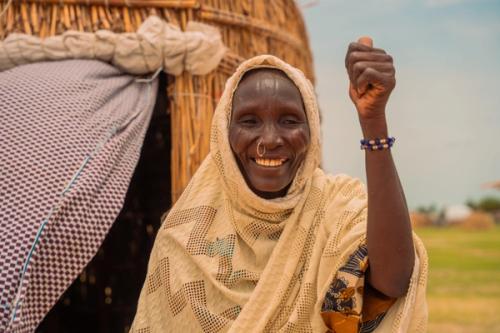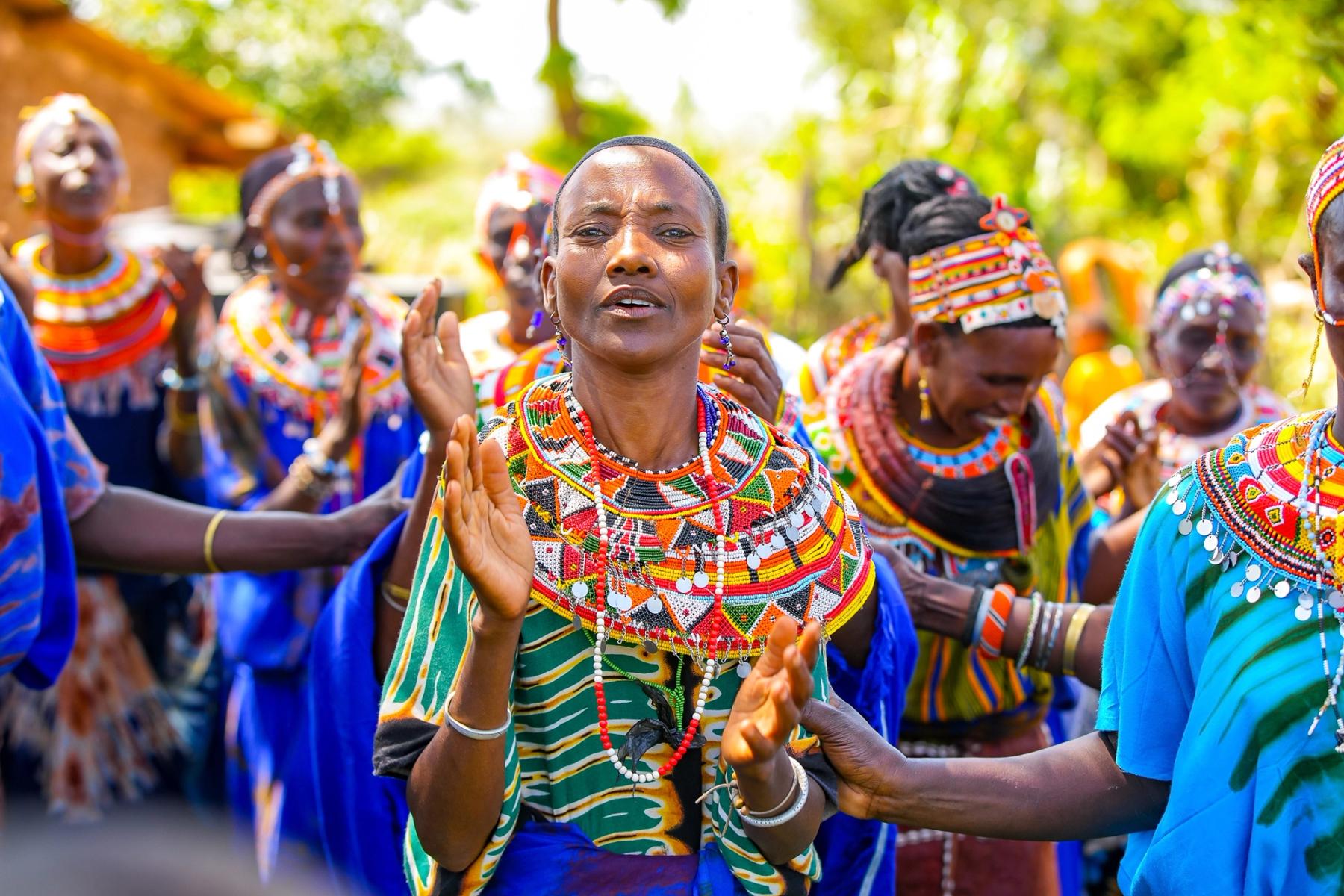
Kenya: The women of Rumai Self help group sing in Marsabit county. Photo: Shaffi Abdi/Oxfam
What is gender inequality?
Learn what gender inequality is, its causes and effects, and examples from Australia and around the world.
Gender inequality is the unequal distribution of rights, resources and opportunities based on gender. It affects people of all genders, but falls most heavily on women, girls and people of diverse genders and sexualities, shaping everything from income and safety to education and political power.
Gender inequality is not inevitable. Our social systems, cultural norms and unequal power structures produce and maintain it. That can be changed.
This page explains what gender inequality is, what it looks like, what causes it, and what evidence says about how to address it.
Examples of gender inequality
The gender pay gap
In Australia, women earn on average 11.5% less than men for comparable work. That gap has narrowed from 18.6% a decade ago but still compounds into a significant financial disadvantage over a working lifetime.
Globally, the gender pay gap sits at 20%, meaning women earn roughly 80 cents for every dollar a man earns. The gap is wider for women with caring responsibilities, women from culturally and racially marginalised communities, and women with disability.
Workplace inequality
In Australian workplaces, the CEO gender pay gap is 26.2%. That’s $83,493 that women CEOs earn less than men on average in base salary every year. And when you include superannuation, bonuses, additional payments and overtime, the difference rises to $185,335.
Australian women are underrepresented at every level of management. 62.8% of women participate in the labour force compared to 71.7% of men, and women hold a minority of executive and board positions across most industries.
Workplace policies that penalise caregiving through inflexible hours, inadequate parental leave, or informal promotion cultures directly disadvantage women, who carry the majority of care responsibilities outside of work.
Education
Globally, gender parity in school enrolment has improved significantly since 1995, but 133 million girls worldwide remain out of school. In conflict-affected areas, girls are disproportionately excluded. Structural barriers also compound through adolescence. Girls are more likely to leave school due to early marriage, domestic responsibilities or gender-based violence, with consequences that last a lifetime.
Unpaid care and domestic work
Women perform more than 75% of unpaid care and domestic work globally — cooking, cleaning, caring for children and elders, supporting sick relatives. This work is essential. It holds families and communities together. Yet it is uncounted as economic contribution, and the women and gender diverse people who do it often have less time for paid employment, education, rest and public life. If women's unpaid work were assigned a monetary value, it would exceed up to 40% of GDP in some countries (and that's a conservative estimate).
Gender-based violence
2 in 5 women in Australia have experienced violence since the age of 15. Globally, 1 in 3 women experience physical or sexual violence in their lifetime. Gender-based violence is both a cause and a consequence of gender inequality; it restricts where women can go, what they can do and who they can become. LGBTQIA+ and gender-diverse people face heightened rates of violence, compounded by discrimination across multiple systems.
What causes gender inequality?
Gender norms and stereotypes
Gender norms are the unwritten rules societies enforce about how people of each gender should behave, what roles they should occupy and what value their contributions hold.
They begin in childhood, in what ambitions are encouraged, what fears are reinforced, what work is considered important. They then compound through education, workplaces and institutions.
Norms that associate leadership with men and care with women limit who applies for roles, who gets promoted and whose time is treated as economically valuable. These norms aren't fixed; they're learned and enforced, and therefore can be unlearned.
Unequal power structures
Gender inequality is embedded in laws, institutions and economic systems that were built to reflect and reinforce existing power arrangements.
Property laws that favour men, workplace policies that penalise caregivers, legal systems that inadequately address gender-based violence: these are structures that people have built over time. The underlying architecture is patriarchy — the system of social organisation in which men hold primary power across political, economic, cultural and family life. It persists because unequal power tends to justify itself as the natural order. Read more: What is feminism?
Discrimination
Direct discrimination happens when someone is treated worse because of their gender. It remains common in hiring, pay-setting, credit access and healthcare.
Indirect discrimination happens when the same rules are applied to everyone, even when people start from unequal positions. It’s often harder to see but equally damaging.
Both operate against women, girls, LGBTQIA+ people and gender-diverse people across every context. And when gender discrimination intersects with race, disability, age or class, the effects compound into forms of disadvantage that can't be understood by looking at gender alone.
The effects of gender inequality
Economic cost
Gender inequality costs economies enormously. Closing the global gender gap could add $7 trillion to global GDP. Women and gender-diverse people are excluded from full economic participation through pay gaps, career barriers, unpaid care burdens and discrimination. Their exclusion from full economic participation damages both individual livelihoods and national economic potential.
Health
Gender inequality affects health directly and indirectly. In systems of unequal power, women often have less control over their own healthcare decisions. The OECD's 2025 Gender Equality report confirms women report lower physical and mental health, higher rates of unmet healthcare need, and less access to preventive care than men.
Gender-based violence drives lasting physical and mental health consequences; and because GBV, education, employment and health outcomes are interconnected, treating them as separate problems produces weaker results than addressing them together.
Poverty
Gender inequality leads to poverty. Women experience poverty not because they work less, but because economies value their labour less, protect it less and pay it less. Poverty is more than low income. It’s a shortage of time, safety, options and control over daily life. This compounds across generations — a girl who can't access education because of gender norms is more likely to raise children who face the same barriers. Read more about how poverty is gendered.
Climate vulnerability
Women are 14 times more likely than men to die during a climate disaster. Not because of biology, but because of inequality. Less access to information, restricted mobility, greater caregiving responsibilities and smaller economic buffers mean that when climate shocks hit, women and girls absorb the greatest harm. Climate change could push up to 158 million more women and girls into poverty by 2050.
Solutions to gender inequality
Legal and policy reform
Countries with stronger legal frameworks consistently achieve better gender parity outcomes. Laws and policies that criminalise gender-based violence, guarantee equal pay, mandate parental leave and require organisations to report and address gender pay gaps create the structural conditions for equality to take hold. Advocacy for these reforms is central to the work Oxfam and partners do across the Pacific and beyond.
Education and changing norms
Educating girls is one of the most effective ways to reduce gender inequality, improving outcomes across health, income and political participation. But enrolment figures alone don't capture the full picture. If curricula, teaching practices and school environments reinforce gender stereotypes, girls graduate into the same unequal systems.
UNESCO's GEM 2025 calls for gender-transformative education — learning that actively challenges norms and builds the capacity to question them — rather than simply expanding access to existing models.
Economic empowerment
When women have income, control over assets and access to financial services, the effects ripple outward. They gain more influence over household decisions, their children's education and even community health. They become more resilient to shocks. Economic empowerment is about removing the structural barriers that prevent women from participating fully in economic life.
Redistributing unpaid care
The OECD 2025 confirms that solutions addressing unpaid care, economic participation and gender-based violence together outperform siloed approaches. These challenges are interconnected. Paid parental leave for all parents, affordable childcare and flexible workplaces reduce the care burden that currently sits almost entirely on women. Recognising unpaid care as economically valuable, not just socially necessary, is the first step toward redistributing it fairly.
Ending gender-based violence
The World Bank's Gender Strategy 2024-2030 places ending gender-based violence as its first objective, because violence is a precondition for everything else. It restricts where women can go, what they can do and what they can become. Solutions should also specifically address violence against LGBTQIA+ and gender-diverse people because of the compound discrimination and harm they experience.
Key facts about gender inequality
- 133 million girls are out of school worldwide (UNESCO GEM, 2025)
- Women perform more than 75% of unpaid care and domestic work globally (UN Women)
- Women are 14 times more likely than men to die during a climate disaster (UN Women)
- 1 in 3 women experience physical or sexual violence in their lifetime (UN Women)
- Women will wait 169 years to close the global economic gender gap at the current pace (WEF, 2023)
- Australia's national gender pay gap: 11.5% (WGEA, 2024-25)
How is gender inequality measured?
UNDP Gender Inequality Index (GII)
Produced annually as part of the UN Human Development Report, the Gender Inequality Index measures gender-based disadvantage across three dimensions: reproductive health, political empowerment and labour market participation. Scores range from 0 (full equality) to 1 (maximum inequality). Lower is better. Australia's 2023 GII score is 0.056, ranked 20th out of 193 countries.
WEF Global Gender Gap Index
The WEF Global Gender Gap Index measures gender parity across economic participation, educational attainment, health and political empowerment. Australia ranked 13th out of 148 countries in 2025.
WGEA — measuring gender equality in Australian workplaces
In Australia, the Workplace Gender Equality Agency tracks gender equality within organisations, looking at pay gaps, leadership representation, policies and practices. Organisations with 500 or more employees must publicly report gender pay gaps and commit to measurable targets. This transparency requirement is itself a reform mechanism (when gaps are public, the pressure to close them is real).
Gender equity vs gender equality: what's the difference?
These terms are often used interchangeably, but they describe different things.
Gender equality is the outcome: equal rights, opportunities and respect, regardless of gender, in law and in practice. In households, workplaces and public life.
Gender equity is the process of reaching it: targeted, differentiated treatment that compensates for historical and systemic disadvantage, so that people can reach the same starting point. Treating everyone identically when they don't start from equal positions doesn't produce equal outcomes (it just reproduces inequality).
The UN Girls' Education Initiative puts it simply: "Equity leads to equality." Equity is the means; equality is the goal.
Gender inequality in Australia
Australia has made meaningful progress on gender equality. Women made up 50% of federal parliamentarians at the opening of parliament in 2025 — up from 26% in 2004 — and Australia ranked 13th on the WEF Global Gender Gap Index in 2025. Sustained advocacy produces change.
But significant gaps remain. The national gender pay gap is 11.5%. Women do 32 hours of unpaid work and care every week — nine hours more than men, rising to 47 hours for women in couples with children under 15. In the private sector, the CEO gender pay gap is 26.2%. And 52 women were killed by gendered violence in Australia in 2025.
Gender inequality in Australia is also intersectional. First Nations women face significantly higher rates of violence than non-Indigenous women. Nearly one in three female victims of intimate partner homicide in 2025 identified as Aboriginal or Torres Strait Islander. Women with disability, women from culturally and racially marginalised communities, and LGBTQIA+ and gender-diverse people experience gender inequality compounded by other forms of discrimination.
Australia's Working for Women strategy sets national targets for gender equality across safety, economic security, health and leadership. It’s a policy framework that recognises gender inequality as a structural problem requiring structural responses.
How Oxfam works on gender equality
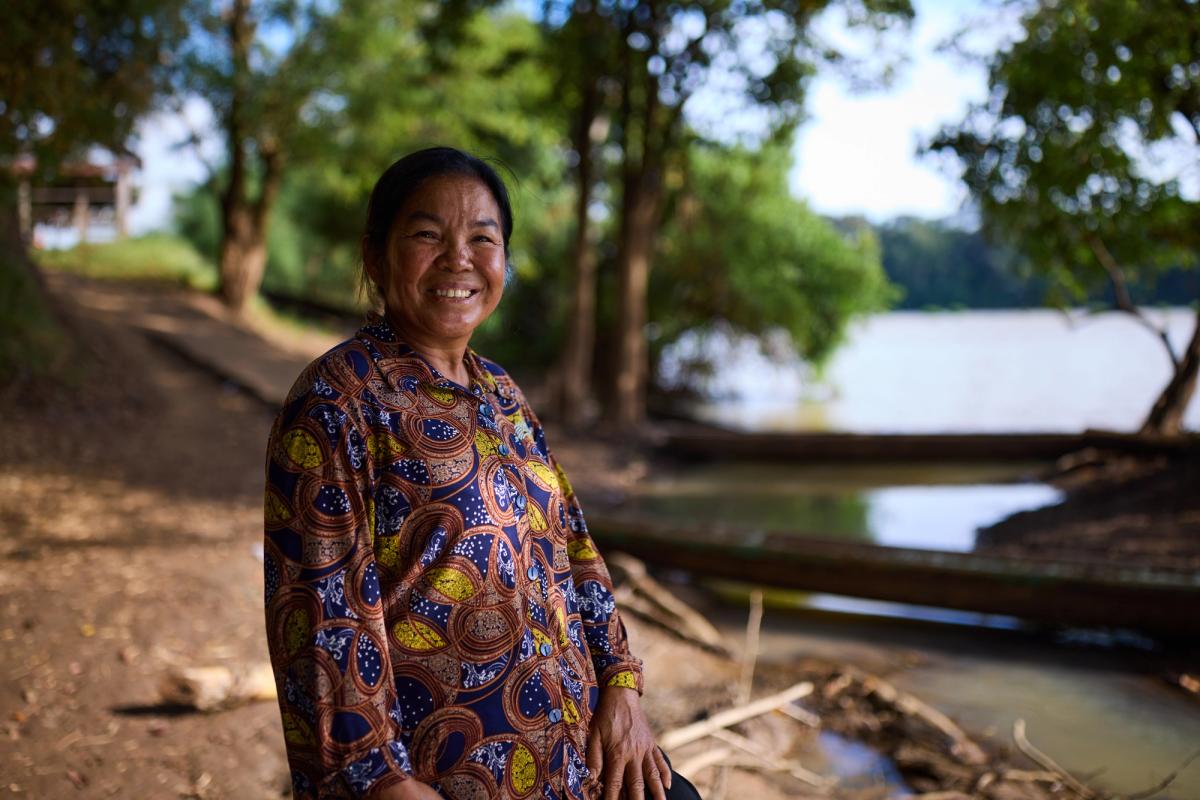
Cambodia: Nang Noy, Khmer community leader (Sesan River, Cambodia) and 3SPN Program Manager trains and coaches other women to advocate for community issues with local authorities. Recently, a banana company stopped pumping water thanks to provincial government intervention and their ongoing advocacy work. Photo: Patrick Moran/Oxfam
Oxfam works on gender equality across more than 30 countries. Alongside local partners, we work towards economic empowerment, ending violence, and supporting women's leadership.
In Cambodia, Siphon advocates with local authorities for the rivers and land her community depends on. This kind of leadership can only happen when women have a real seat at the table.
In Australia, Oxfam has previously partnered with the Kimberley Aboriginal Women's Council on gender equality for First Nations women and girls; work that sits at the intersection of gender and colonisation, because those systems can't be addressed separately.
Through the PACCCIL program, community climate networks across five Pacific nations ensure women influence the climate negotiations that will affect their futures. Remember, women are 14 times more likely to die in a climate disaster, yet they’re consistently underrepresented in the rooms where climate decisions are made.
And in Vanuatu, Oxfam has previously partnered with Vanuatu Pride to advocate for and mobilise LGBTQIA+ people, because the discrimination and violence they face compounds as inequality intersects.
If you’d like to read more, you can learn about economic inequality, social justice or explore our appeals.
Frequently asked questions about gender inequality
What is the main cause of gender inequality?
Gender inequality has multiple causes that all reinforce each other — gender norms, unequal power structures and discrimination. No single cause can be addressed in isolation; the most effective approaches work across all three simultaneously.
What is the difference between gender equality and gender equity?
Gender equality is the goal: equal rights and opportunities regardless of gender. Gender equity is the process of reaching that; targeted measures that compensate for historical disadvantage so people can reach the same starting point. Equity leads to equality.
How does gender inequality affect the economy?
Closing the global gender gap could add $7 trillion to global GDP. Excluding women and gender-diverse people from full economic participation reduces productivity, limits innovation and diminishes national economic potential.
What are examples of gender inequality in Australia?
Australia's national gender pay gap is 11.5%. Women do nine more hours of unpaid work per week than men (and that rises to 24 hours more than men in couples with children under 15). 2 in 5 women have experienced violence since age 15. First Nations women face significantly higher rates of violence and discrimination than the national average.
What is gender inequality in education?
133 million girls worldwide remain out of school. Girls are disproportionately excluded in conflict-affected areas and more likely to leave school during adolescence due to marriage, domestic responsibilities or gender-based violence.
How can gender inequality be reduced?
Legal reform, gender-transformative education, economic empowerment, redistribution of unpaid care and ending gender-based violence — implemented together — produce the strongest outcomes, according to the World Bank and OECD.
How does gender inequality affect health?
Women report lower physical and mental health and higher rates of unmet healthcare need than men. Gender-based violence drives lasting physical and mental health consequences. And because health, employment and safety outcomes are interconnected, siloed approaches are less effective than integrated ones.
What does Oxfam do about gender inequality?
Oxfam works on women's economic empowerment, ending gender-based violence and women's leadership across more than 30 countries — including with First Nations women's organisations in Australia and through programs in Bangladesh, the Mekong Region, Indonesia and the Pacific. Learn more about gender inequality.