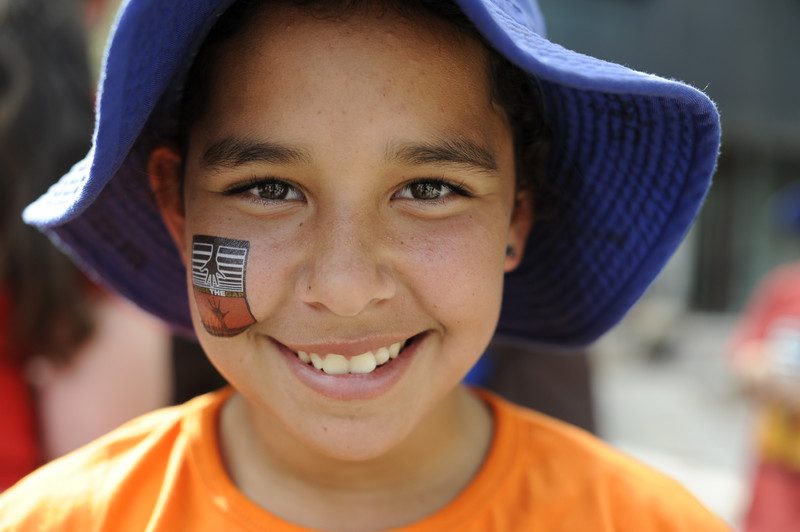
Tens of thousands of Australians are expected to take part in events in support of the Close the Gap campaign, which aims to achieve health equality between Aboriginal and Torres Strait Islander peoples and other Australians by 2030. Community groups, health services, schools and individuals around Australia already are registering online to hold a Close the Gap event in their homes, workplaces, schools and communities.
It’s totally unacceptable that Aboriginal and Torres Strait Islander peoples die ten – 17 years earlier than non-Indigenous Australians. In this election year, it’s vital that all sides of politics strengthen their commitments to closing the gap by 2030. Long-term commitments to programs and services will provide certainty and results that are literally a matter of life and death for Aboriginal and Torres Strait Islander peoples. Funding underpinning current closing the gap health programs will expire in June; the Federal, state and territory governments need to renew this funding to ensure we can build on the important gains made so far.
Under-five mortality rates for Aboriginal and Torres Strait Islander peoples are starting to fall, and a healthier child population meant a healthier adult population. Smoking and chronic disease initiatives are critical to closing the gap, with evidence showing they are starting to have an impact. But there is no room for complacency. Funding for these initiatives must continue, otherwise momentum will be lost.
There is an undeniable groundswell of goodwill from everyday Australians, with more than 185,000 people supporting the Close the Gap campaign around the country. As National Close the Gap Day gets bigger each year, it provides hope that as a nation, we want to address this historical injustice.
Register your own National Close the Gap Day event
People registering an event will receive a kit containing information on running an event, posters, stickers, an informative DVD, and a Close the Gap T-shirt. School-specific resources also are available. The Close the Gap campaign, Australia’s biggest public movement for health equality, is a coalition of Australia’s leading Indigenous and non-Indigenous health and human rights organisations.
Andrew Meehan is Oxfam’s Indigenous Rights Policy Advisor