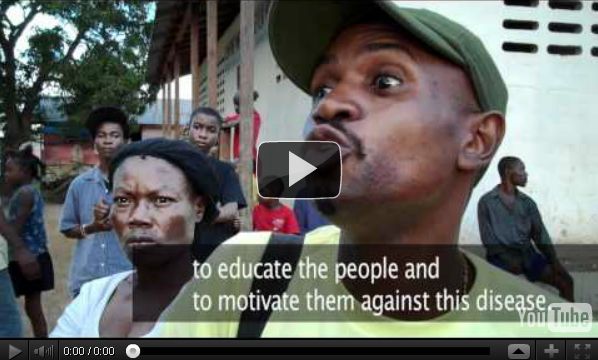
Julie Schindall, Oxfam’s media officer in Haiti, discusses our public health work in response to the cholera outbreak in Haiti.
Oxfam is installing safe water and sanitation facilities and promoting basic hygiene practices to prevent the outbreak from spreading further.
Read more about our response.
Donate to Emergency 365 and support our emergency work all year round.
UPATE: 13 December 2010
Violence in Port-au-Prince is making delivering aid difficult for Oxfam and other humanitarian organisations, but we’re still making do in a tough situation.
On Friday and over the weekend, we were able to get water, water purification tablets, and chlorine to people in Port-au-Prince. In the central Artibonite province and northern Cap Haitien, we’ve been able to mostly resume our activities.
It’s hard to tell what each day will bring in terms of whether or not roads will be blocked with protestors and barricades. We’re coming up with creative solutions, like sending water purification tablets to camps by motorcycle courrier. Oxfam has worked in places far more dangerous than it is currently here in Haiti. But, of course, we are worried about the impact of stoppages of aid delivery during a very serious national outbreak of cholera.