Aid & development
One person in three in the world lives in poverty. Thousands of people die each day due to lack of access to clean water or basic medicines. Young people are pulled out of school and sent to work so that families can earn enough to survive. Meanwhile, the world’s five richest men have more than doubled their fortunes from $610 billion to $1.3 trillion since 2020 —at a rate of $21 million per hour.
Oxfam is determined to change this world — we believe a just world free from poverty is possible.
It will come about through ensuring universal access to affordable healthcare, clean water and quality education. We need to make sure people have access to work that is safe and fairly paid, and communities are supported to adapt to the changing conditions of the world around them, including the weather.
As a wealthy nation we have both the ability and responsibility to support communities around the world so that they too can benefit from the gains of development.
We have made great progress over recent decades with the halving of global poverty, 90% enrolment in primary education globally and the halving of child and maternal mortality.
This progress has been possible because of aid and development finance. But currently, Australia’s aid is at its lowest ever level as a proportion of the budget at just 0.19% of gross national income.
We must continue to join together to tackle poverty, so we can empower more communities to build better lives for themselves.
For more information on Oxfam’s position on Australian Aid you can read our Australian Aid Policy Brief.
Australian aid: one of our nation’s greatest accomplishments
In the last generation, humanity has made great progress in shaping a more just and equal world:
- We’ve cut global poverty by over 50% since 2000
- We’ve doubled the number of people who have access to clean water
- We’ve dramatically reduced the number of children dying every year
- We’ve nearly halved the number of women dying during childbirth.
Together, through Australian aid, we’ve all played a part in this story. When we work together to break the cycle of poverty and inequality, we empower women, men and children around the world to take control and turn their lives around.
Despite the remarkable things achieved by Australian aid, successive aid cuts by the government mean our nation’s aid contributions are at their lowest ever level in history.
https://www.facebook.com/OxfamAustralia/videos/10154353891041216/
Some facts about Australia’s aid program:
- Australia spends just 0.19% of our gross national income, or 19 cents in every $100, on Australian aid. This is the lowest level ever in our nation’s 60-plus years of using aid to tackle poverty.
- Australia lags behind many other countries, including the UK, which has lifted its aid contribution to 51 cents in every $100, and Germany, which gives 83 cents.
- Australia’s aid budget ranks a low 27th out of the 31 wealthy OECD Development Assistance Committee members, despite the fact that we have one of the highest per capita incomes in the world.
Australian aid helps some of the world’s most promising people build a better and fairer future.
Email your local MP and ask them to oppose any further cuts to Australian aid.Global goals to combat poverty, inequality and climate change
Global goals to combat poverty, inequality and climate change
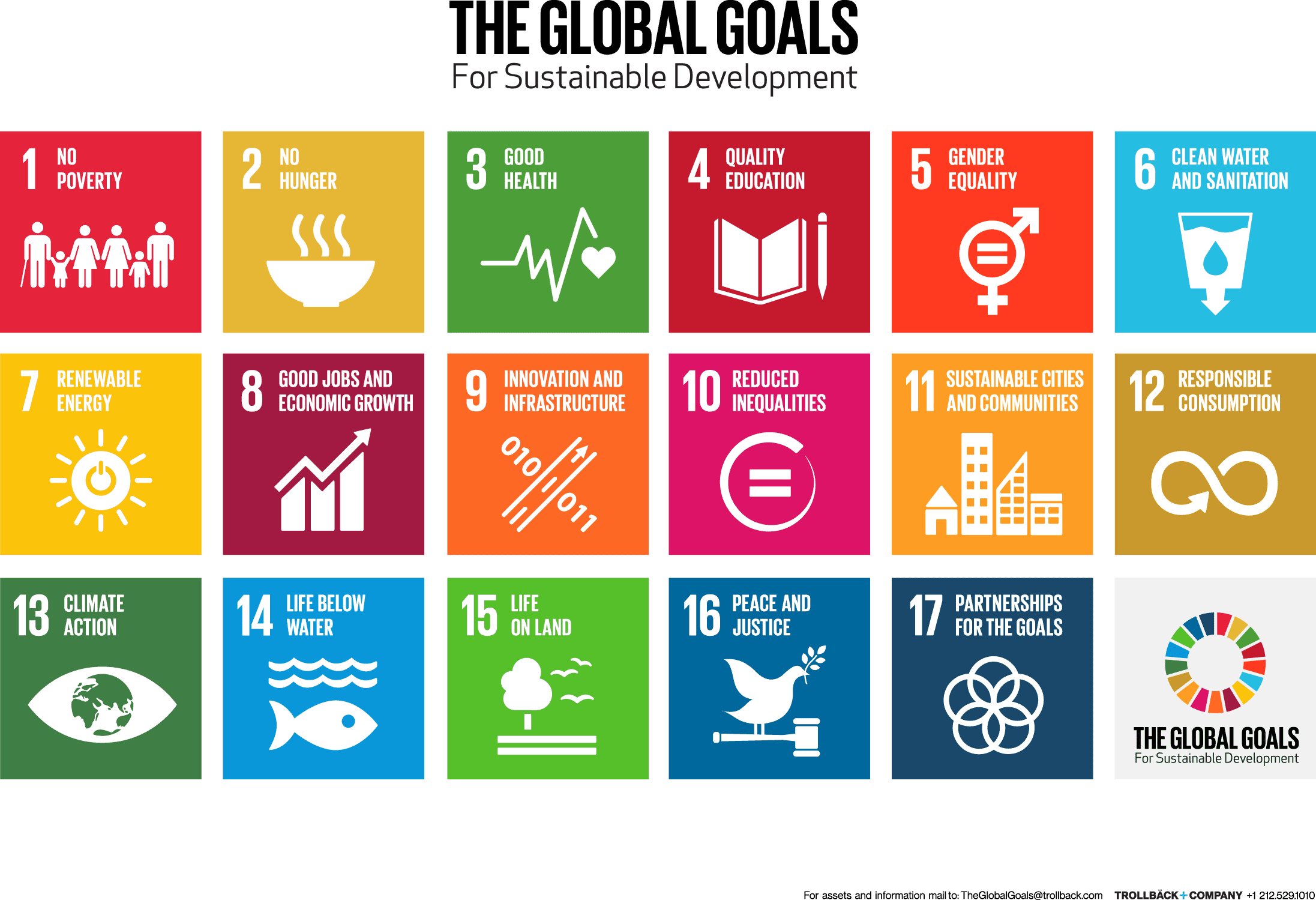
In September 2015, world leaders gathered at the United Nations in New York to pledge their support for a new set of global goals to combat poverty and protect the planet.
The Sustainable Development Goals (SDGs) are 17 new global goals that chart a pathway from 2015 to 2030 for every nation to:
- Address poverty, hunger and malnutrition
- Tackle inequality and build more inclusive, peaceful societies and economies for all
- Combat climate change and protect the planet
- Address gender inequality and stop all forms of violence against women and girls
The goals come after global talks between governments, organisations, businesses and people like you to agree the key challenges that need to be addressed for a better world by 2030.
The SDGs follow the success of the Millennium Development Goals (MDGs) which were agreed in the year 2000 and helped to deliver a halving of global poverty.