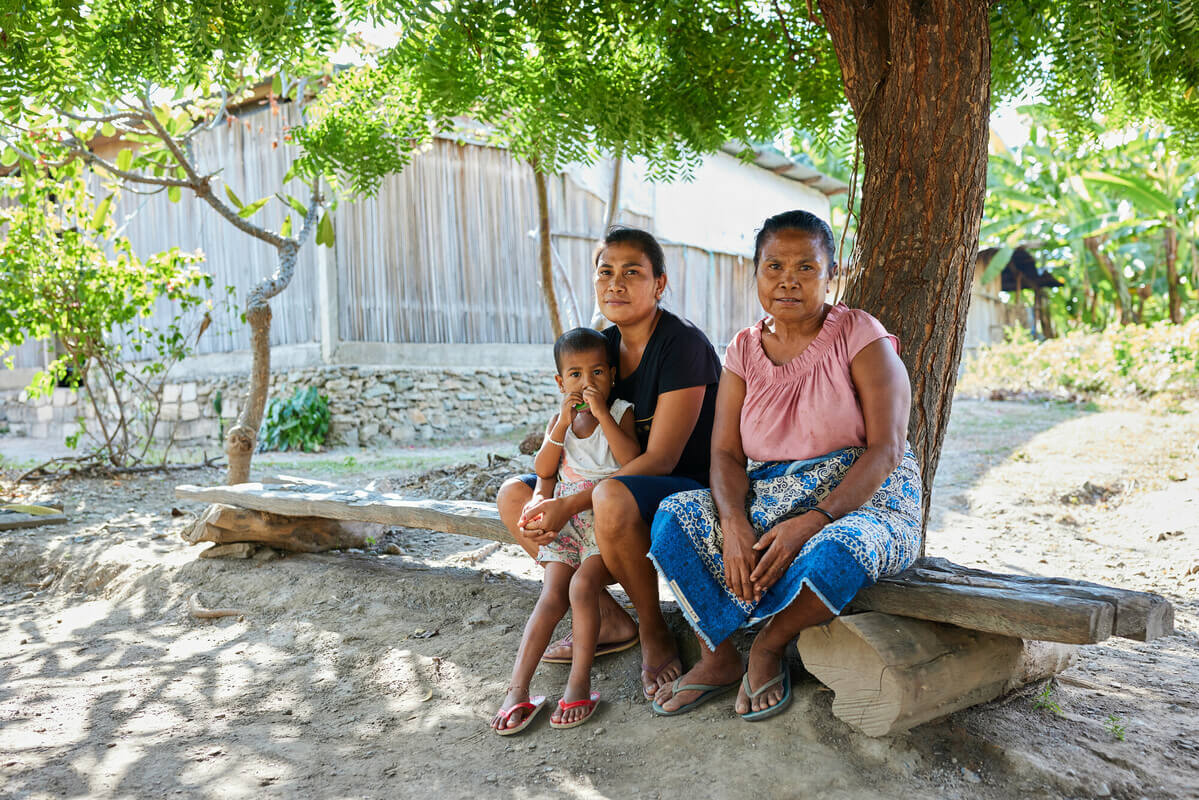
Economic inequality — which includes wealth inequality and income inequality — is a result of deliberate policies that privilege the super-rich and exclude the vast majority of people. It is undermining progress against poverty, damaging economic growth and causing public anger and unrest, especially as climate-related disasters become more common.
Through our programs, campaigns and advocacy, we are building fairer economic systems to protect the environment, provide economic justice and deliver a future where everyone has a fair chance for a decent and dignified life.
The growing gap: concurrent rise of extreme wealth and extreme poverty
Extreme wealth and extreme poverty have increased concurrently for the first time in 25 years. The richest 1% of people have more than twice the combined wealth of the other 99% of the world’s population.
Economic inequality is the result of the unequal distribution of income and wealth between different groups of people.
This huge divide between rich and poor is based on a flawed and sexist economic system that values the wealth of the privileged few — mostly men — more than the billions of hours of unpaid and underpaid care work done primarily by women and girls.
Economic governance for equality
Current economic models have failed us. Unjust systems have concentrated power and wealth in the hands of a few, at the expense of the world’s poorest people.
In a truly equal society, 50% of the population should earn 50% of the income and own 50% of the wealth. However, the World Inequality Report (2022) illustrates that the world is experiencing extreme inequality, with the poorest 50% of the world earning just 8.5% of global income and owning only 2% of the world’s wealth.
This severe inequality has been allowed to flourish because global economies have valued financial growth above all else. This is a rigged economic system that exploits and starves the poorest and rewards the richest. For example, the impact of the COVID-19 pandemic and the Ukraine war have made food and energy unaffordable for millions of people around the world, including here in Australia. Yet, 95 food and energy corporations made a whopping $306 billion in windfall profits in 2022.
Building fairer systems for global equality and sustainability
To address global inequality, we must make systems fairer and create more equal societies. Rich, polluting countries must cut their carbon emissions. Governments must tax the wealthy and polluters, and must fund social protection and climate adaptation schemes to help people cope with climate-related shocks.
We believe that people and planet should be at the heart of economic policies. We need economic systems that are just and sustainable; serious action on the climate crisis; and new rules that empower all people to live with choice, dignity and equal opportunity.
Our focus is on closing the wealth divide and spreading income distribution and power more equally. We seek change through policies that put people first and give everyone a place at the decision-making table.
How is Oxfam seeking economic equality?
Oxfam is addressing income and wealth inequality and spreading the balance of power more equally through programs, campaigns and advocacy activities that focus on:

Economic governance
Which seeks change through policies that put people first; promotes equal rights; and gives people who are marginalised a place at the decision-making table and greater access to economic resources.

Economic resilience
Which helps communities withstand adversity and bounce back from difficult events.
Women’s economic empowerment
By taking active steps to reduce the burden of unpaid care work and aims to ensure decent work, a fair wage, social protection, fair representation at decision-making tables and equal access to services for all women.
What Oxfam is doing to help
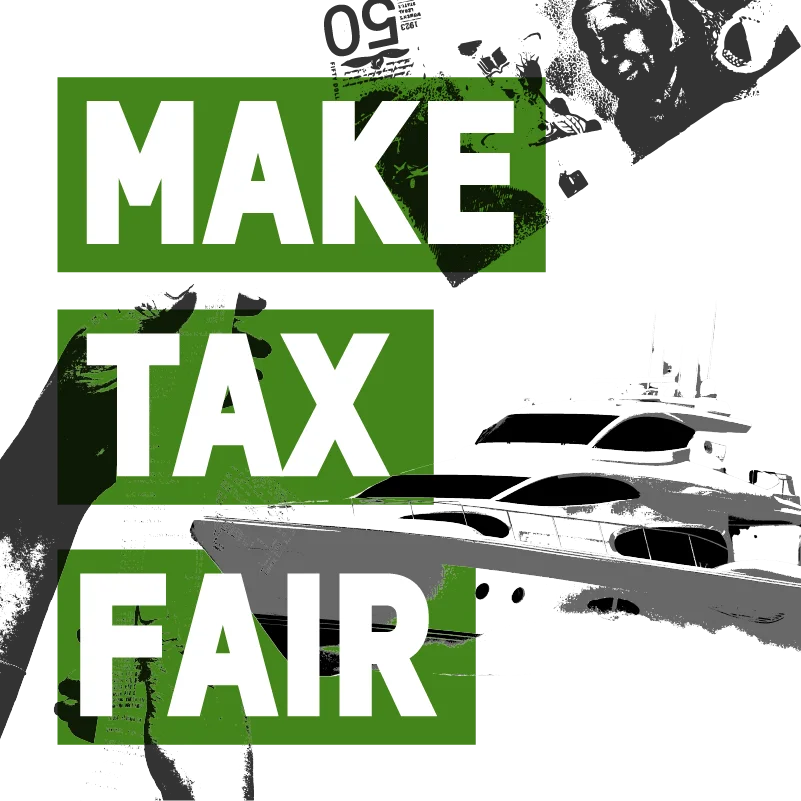
Make Tax Fair
Around the world, in the wake of the COVID-19 pandemic and in the midst of a cost-of-living crisis, more people are going hungry and struggling with rising prices, while real wages are declining. It’s time to Make Tax Fair.
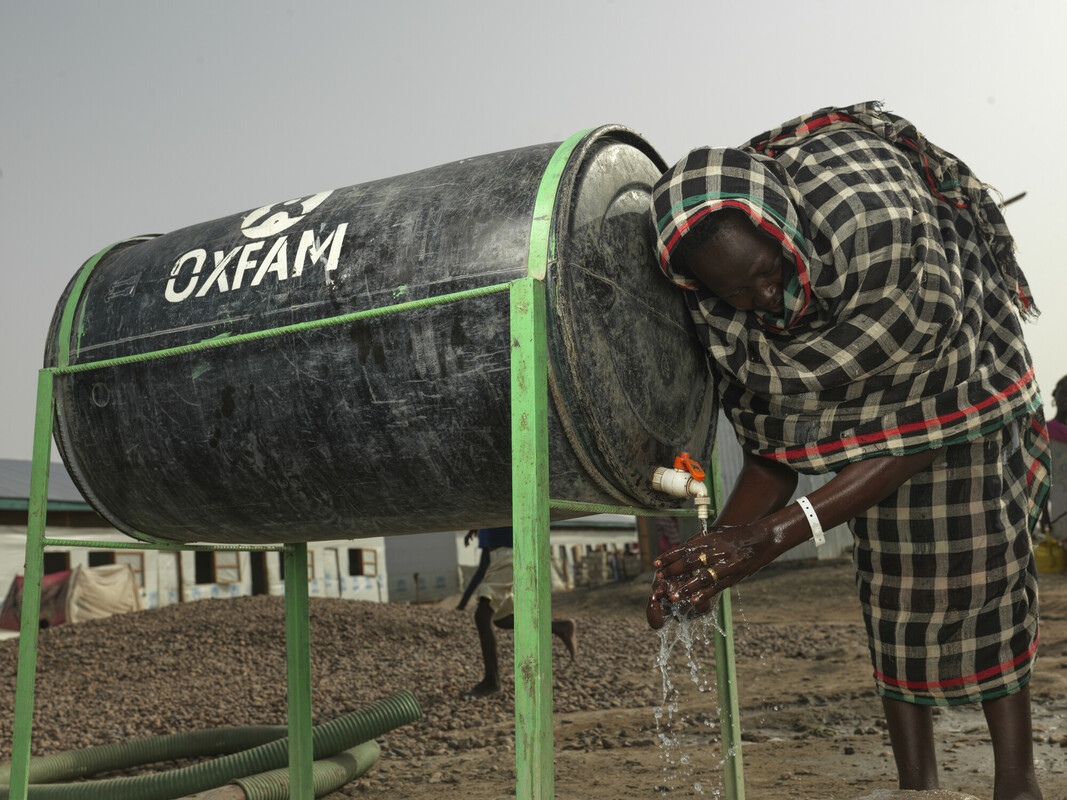
Water and Sanitation
Almost 900 million people in the world do not have access to clean water – that’s a staggering one in eight people. The good news … you can help us change this.
Building economic resilience for all
Difficult life events, like losing a job, falling ill or experiencing a disaster, can be devastating for anyone. For people living in poverty, they can be impossible to recover from.
Everyone deserves to have the resources to help them bounce back from adversity.
Climate change poses a significant threat to people living in poverty and to families who rely on agriculture, fishing or farming for their household income. We work with communities to develop their skills and knowledge to prepare for climate change and diversify their income. For example, we assist farmers producing goods like coffee and tea to gain certification so they can market their produce to a wider audience, and our local partners help communities plant climate-resilient crops to sell or produce feed for their livestock.
Our programs also encourage people who are often excluded from financial opportunities — like women and people living with a disability — to earn and save money. This can be done through savings groups, which bring people together to learn about financial management, collectively save money and take loans to invest in building small businesses.
We also call on governments here in Australia and around the world to tax billionaires and big corporations and invest in social protection, like healthcare for the most vulnerable members of our society.
Ensuring decent work, fair wages and empowering women in decision-making
Our economies are built on the back of millions of hours of unpaid care work and low-paid labour. Because of unjust and patriarchal social attitudes, this unpaid care work is overwhelmingly done by women and girls. The responsibility of caring for children and elderly relatives, along with household duties like cooking, cleaning and collecting water, leaves women and girls with little or no time for school and work. If a woman lives in poverty, she does even more unpaid work.
If women are in the workplace, they make up the majority of the world’s low-paid workers and are concentrated in the most precarious jobs. During times of uncertainty, like the COVID-19 pandemic, women are more likely than men to lose their jobs or lose their income. In fact, the pandemic cost women around the world at least $800 billion in lost income.
Women are also less likely than men to have a bank account and access to the internet, which means they are less likely to be entrepreneurs, start a business and reach leadership positions in business and politics.
Empowering women for Economic Justice
This inequality is based on unfair and sexist structures, where men hold positions of power and women are disproportionately responsible for unpaid care work.
Increasing women’s economic equality would reduce poverty for everyone. Economic inequality costs women in low-income countries $9 trillion per year. If women could rightfully earn this money, they would have a chance to contribute to their household income, invest in the health and wellbeing of their families and boost the economy as a whole.
To address gender and economic inequality, we must ensure that women and men are paid the same wage for the same work, have the same opportunities to hold leadership positions, and share responsibility for unpaid care work. Oxfam is supporting women’s rights to have quality and decent work, fair pay and opportunities for leadership, as well as access to financial institutions to build their economic resilience.
Our stories
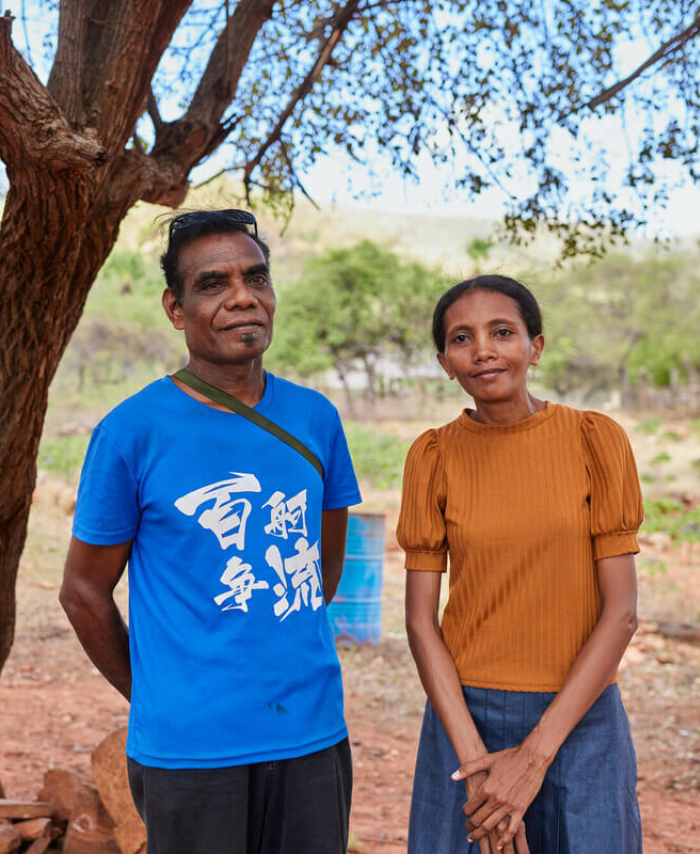
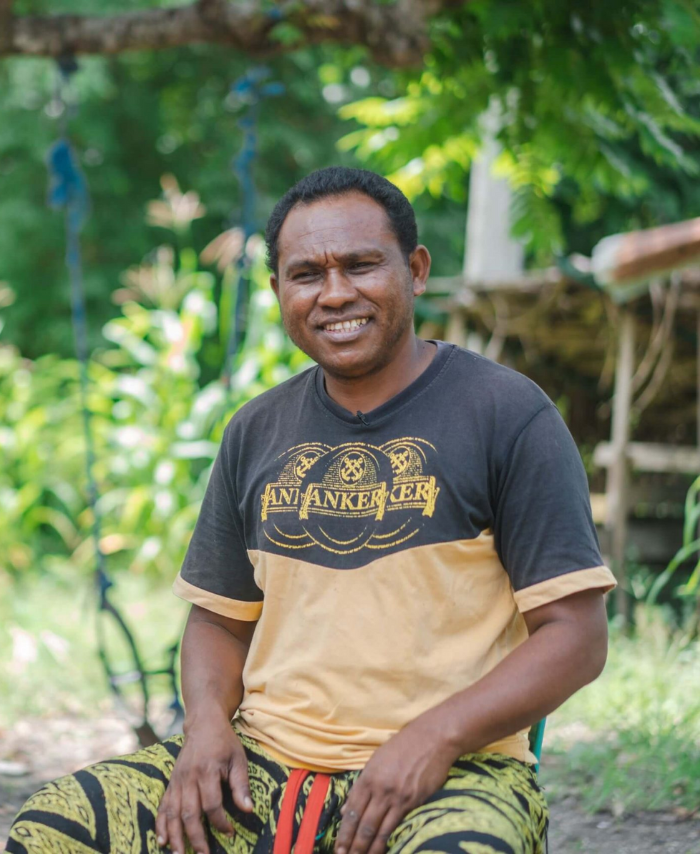
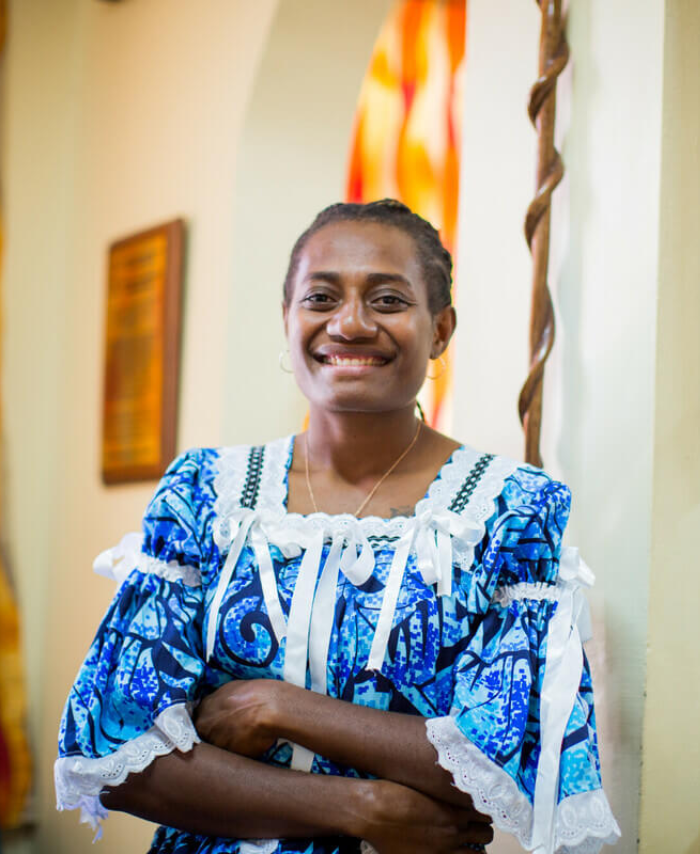
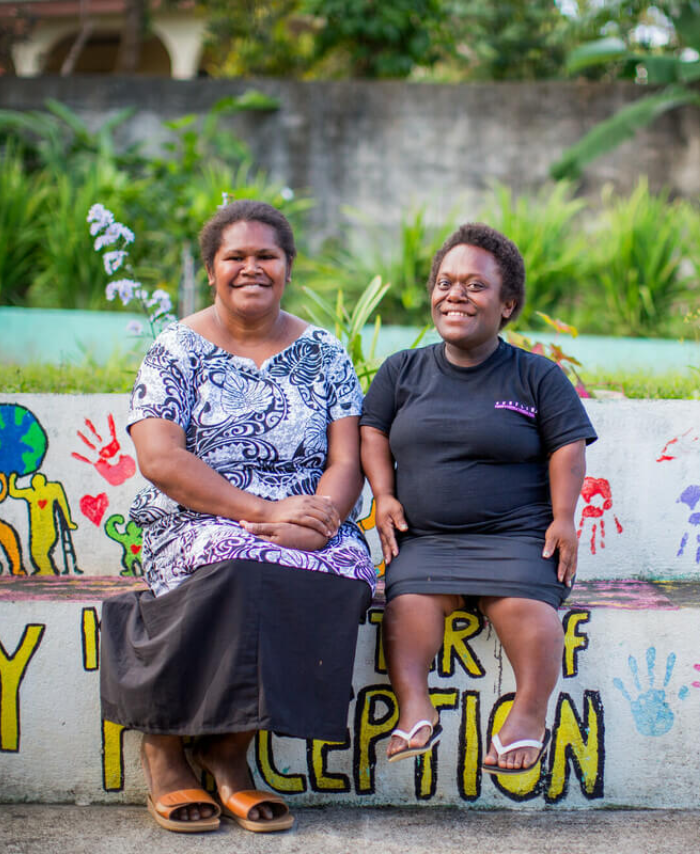
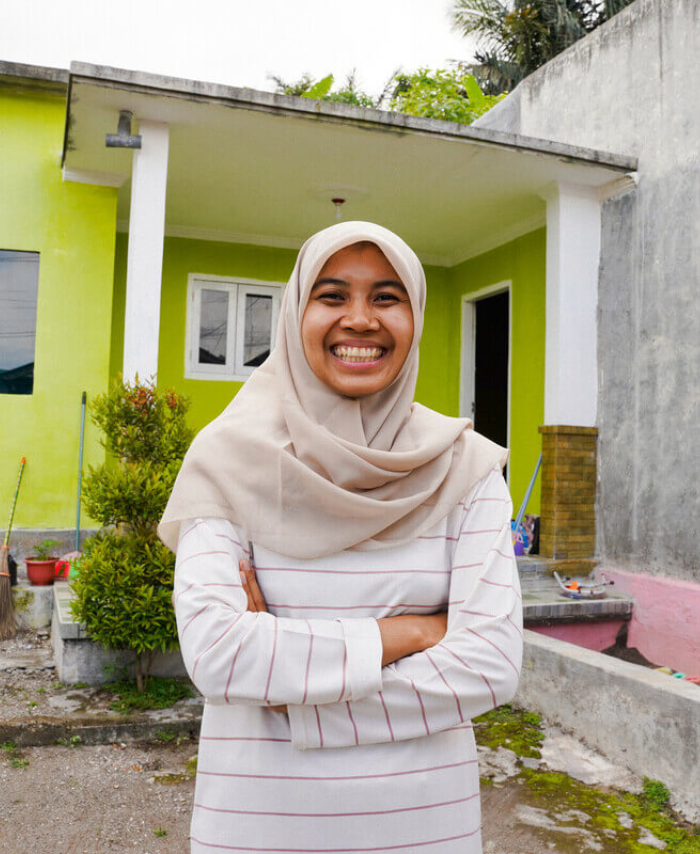
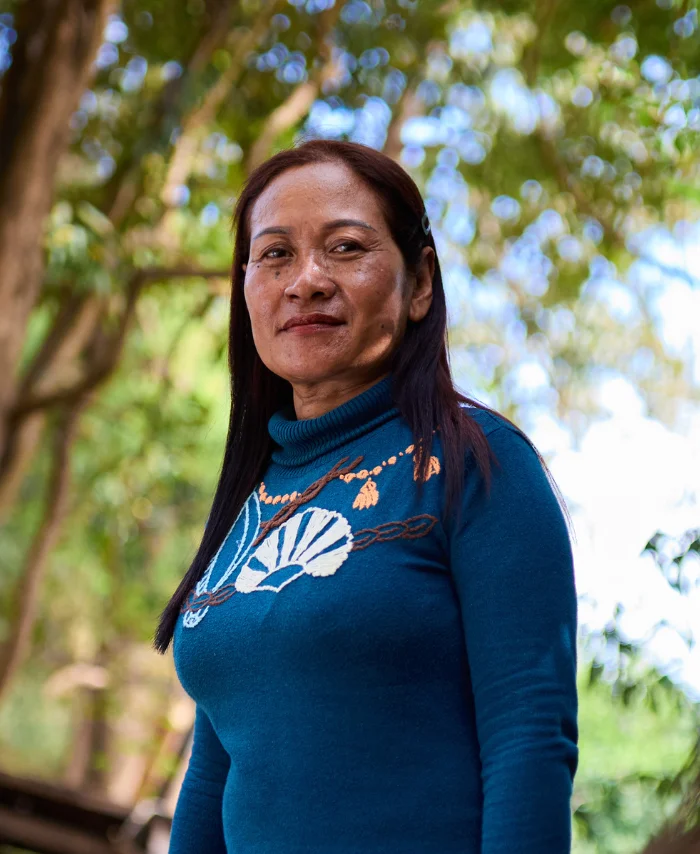
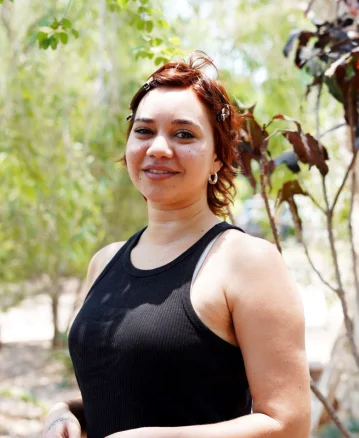
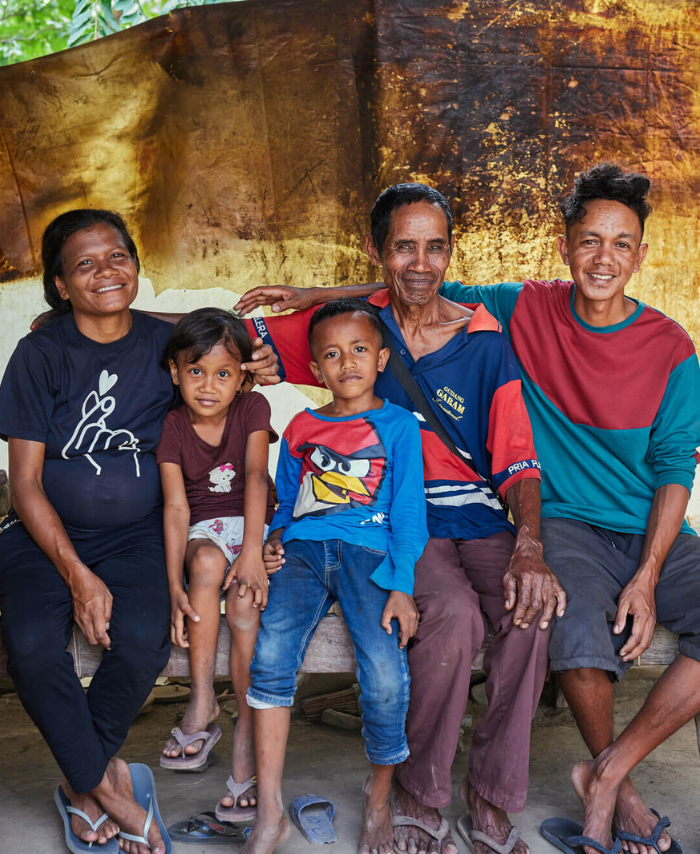
When you support Oxfam, you help create a world without the inequality that fuels poverty. Here’s what that looks like for the communities we work with.
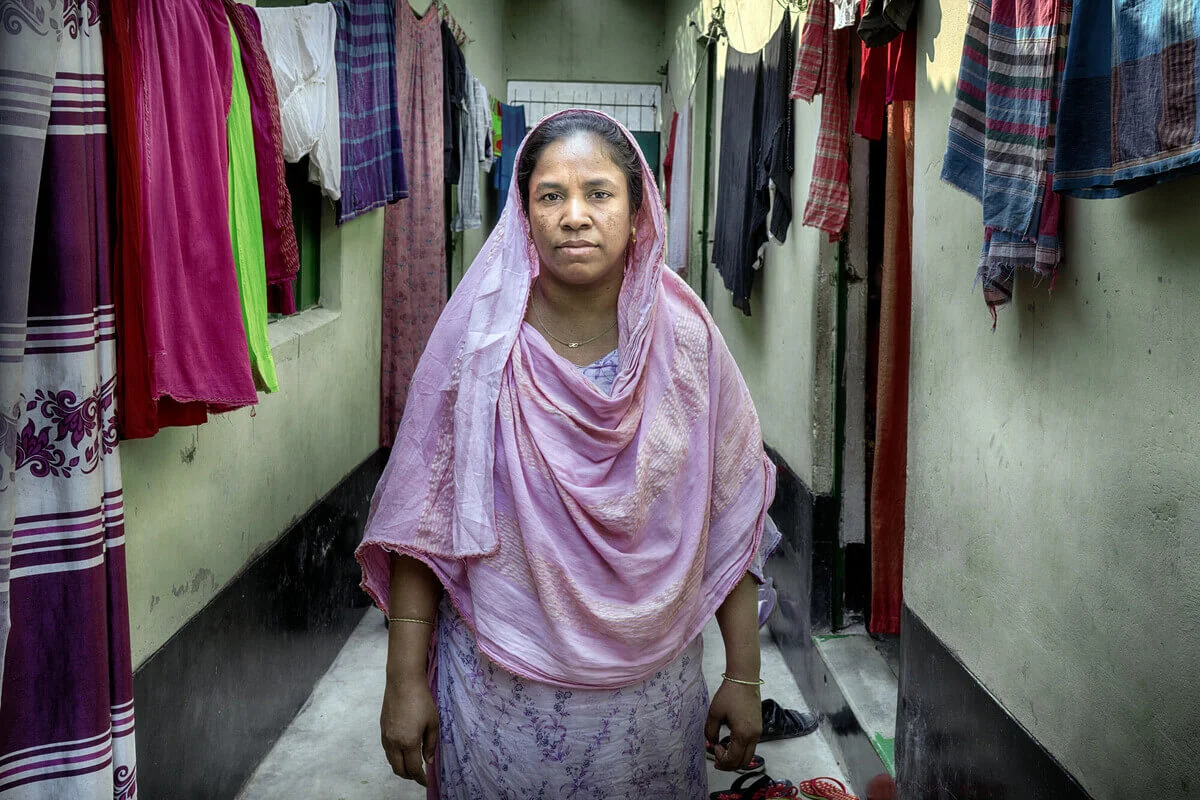
![Bangladesh: Munni is a tea garden worker and earns just 170 Taka [AU$2.30] per day. She has to take out loans in order to buy groceries and then struggles to pay these loans back. Munni attended training run by Oxfam partner organisation, Breaking the Silence, and says she has gained courage through this training. Photo: Fabeha Monir/Oxfam](https://www.oxfam.org.au/wp-content/uploads/2024/08/Munni-crop.png "Bangladesh: Munni is a tea garden worker and earns just 170 Taka [AU$2.30] per day. She has to take out loans in order to buy groceries and then struggles to pay these loans back. Munni attended training run by Oxfam partner organisation, Breaking the Silence, and says she has gained courage through this training. Photo: Fabeha Monir/Oxfam")
Income inequality statistics
- In 2020, extreme poverty increased for the first time in 25 years (World Bank, 2022).
- Globally, billionaires have made $5 trillion between 2020-2023. Looking just at the world’s five richest men, they have been able to more than double their fortunes from $610 billion to $1.3 trillion — a rate of $21 million per hour.
- The wealth of the three richest Australians, Gina Rinehart, Andrew Forrest and Harry Triguboff, has more than doubled between 2020-2023 at a staggering rate of $1.5 million per hour.
- The total wealth of Australian billionaires increased by 70.5% or $120 billion between 2020-2023. In the same period 5 billion people were made poorer.
- Between 2021-2023, 791 million workers have seen their wages fail to keep up with inflation and as a result have lost US$1.5 trillion, equivalent to nearly a month (25 days) of lost wages for each worker.
- The world’s 148 top corporations made on average $18.24 billion in annual profits, while hundreds of millions of people faced cuts in real wages. This includes here in Australia where, since 2020, real wages have dropped back to levels seen 14 years ago.
- The COVID-19 pandemic halted years of progress in ending extreme poverty, expanding the number of extremely poor people by 70 million (World Bank, Atlas of Sustainable Development Goals, 2023).
- Profits of the top global corporations surged by over 50% reaching over $188 billion annually. Meanwhile, hundreds of millions faced cuts in real-term pay. These corporations are now worth over a whopping $15 trillion, more than the combined GDPs of all countries in Africa and Latin America.
- Global multimillionaires have captured a disproportionate share of global wealth growth: the top 1% took 38% of all additional wealth accumulated since the mid-1990s, whereas the bottom 50% captured just 2% (World Inequality Report, 2022).
- In 2021-22, 53% of the world’s population — over 4 billion people — did not benefit from any form of social protection (International Labour Organisation).
- It is estimated that between 691 and 783 million people in the world faced hunger in 2022, up 122 million than in 2019, before the global pandemic. About 29.6 percent of the global population – 2.4 billion people – were moderately or severely food insecure in 2022, of which about 900 million (11.3 percent of people in the world) were severely food insecure. (FAO)
- In 2023, there were 96 energy billionaires with a combined wealth of nearly $432 billion ($50 billion more than in April 2022) (Oxfam Australia).
- If current trends continue, the world will have its first trillionaire within a decade, while poverty won’t be eradicated for another 229 years.
Oxfam reports on economic inequality
INEQUALITY REPORT
Fight Inequality
Inequality is a killer, contributing to the deaths of at least one person every four seconds. Let’s tax the super-profits of the rich and use this money on nurses, on hospitals and on vaccines — not on boosting the bank accounts of billionaires.
Reports
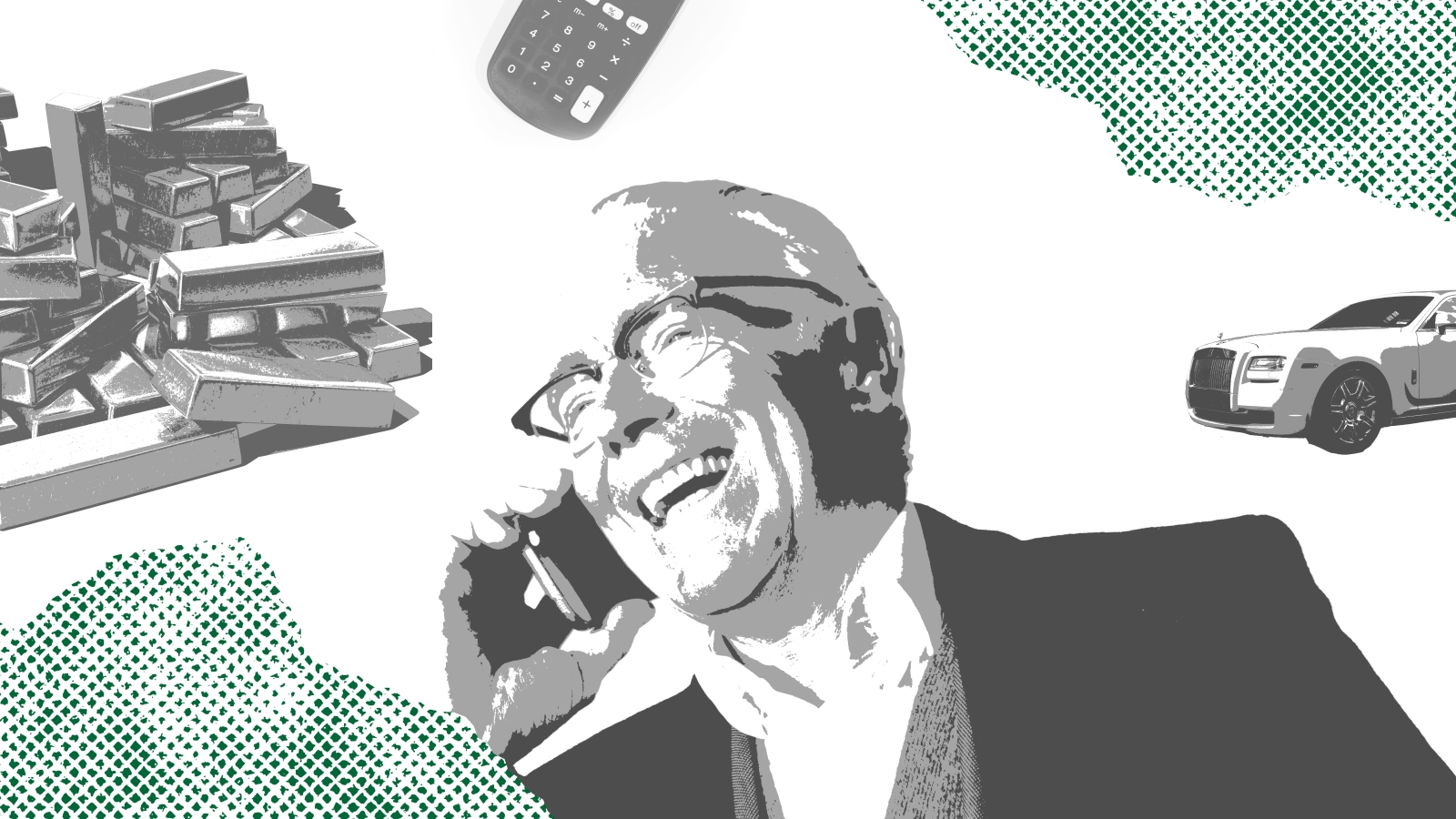
Takers Not Makers: The unjust poverty and unearned wealth of colonialism
Takers Not Makers, reveals an unsettling reality: the world’s billionaires continue to make trillions while billions of people continue to live in poverty.
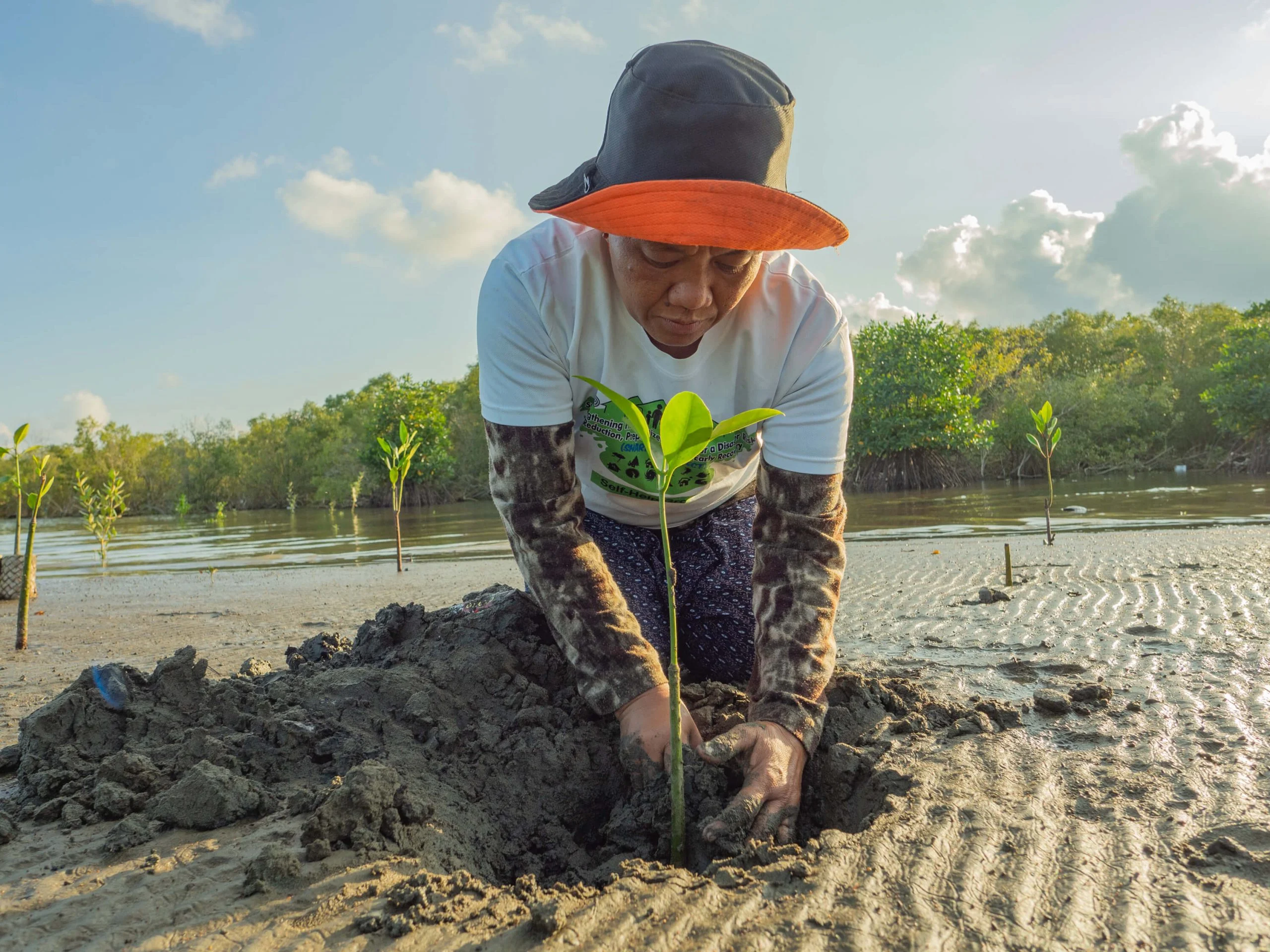
Survival of the Richest
The richest 1% of Australians have accumulated 10 times more wealth than the bottom 50% in the past decade. Amid unparalleled crises, taxing the wealthy gains spotlight, historically rooted and popularly backed, as a potent tool to curb inequality across economic, racial, gender, and colonial spectrums.
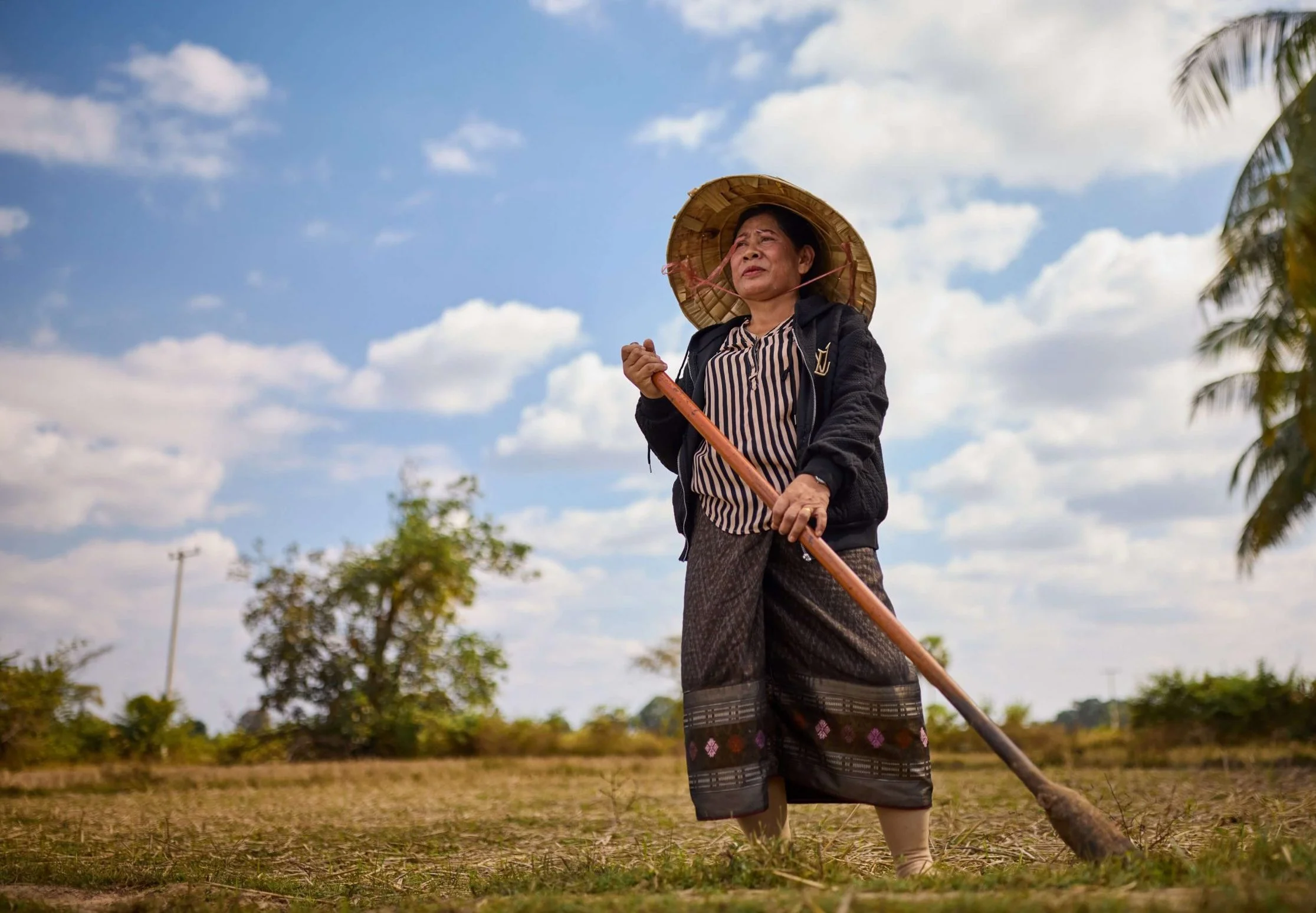
Climate Equality: A Planet for the 99%
The world’s richest are destroying the climate with their huge carbon emissions, while people in the Pacific are paying the highest price in climate impacts and have the least resources to cope. Globally, these emissions of the richest 1% will cause 1.3 million heat-related excess deaths.
Also in this section

Who made my clothes? eBook
Who made my clothes eBookAccess to drinking water in crisis situations eBook
Access to drinking water in crisis situationsHow can you help
FAQs
What is economic inequality?
Economic inequality is the unfair and unequal distribution of income and opportunities between different groups of people. Economic inequality is based on a sexist and outdated economic system that values the wealth of the privileged few — mostly men — more than the billions of hours of unpaid and underpaid care work done primarily by women and girls.
What causes economic inequality?
Economic inequality flourishes when a greater value is placed on financial assets rather than on workers’ rights. This creates income and wealth inequality, where the top earners’ incomes skyrocket and the average workers’ wages barely change. Meanwhile, governments and those in positions of power establish rules and policies that maintain income and wealth inequality so they can continue to prosper.
Why is economic inequality a problem?
Economic inequality is a problem in all countries and all societies. But the impact of extreme inequality is most keenly felt in low-income countries, where missing out means remaining trapped in the cycle of extreme poverty. It’s estimated that tax dodging by multinational companies costs the world’s poorest countries at least USD $100 billion every year.
Who pays the price for economic inequality?
All of us. Right now, even rich countries like Australia are seeing the direct results of economic inequality. Over the past decade the number of billionaires in Australia has tripled, while average income has stagnated. Oxfam is committed to tackling poverty and inequality in Australia and overseas by dismantling the broken economic system that is concentrating wealth in the hands of a few rich and powerful people at the cost of millions of others.
What is wealth distribution?
Wealth distribution refers to how wealth is spread across a group of people. Wealth can be measured in terms of the assets a person owns, like real estate, cars and financial assets.
What is wealth inequality?
Wealth inequality is the unequal and unfair distribution of wealth in a society. Wealth refers to the assets a person may have, such as real estate, as well as financial assets, such as superannuation or shares.
What is income inequality?
Income inequality is the unequal distribution of income across a group of people. Income includes wages, investment income, government income support payments and income tax.
What is Australia’s median income?
In 2021, the median hours worked in Australia were 38 hours per week and the national median personal income was $805 per week, a $143 increase since 2016. More than 9.6 million people were earning below the national median personal income or earning no income. Source: Australian Bureau of Statistics
How does economic inequality harm society?
Economic inequality is unjust and unfair. It means that a privileged few prosper while others suffer. Those who are disadvantaged by economic structures may not be able to access education or healthcare, which are basic human rights.
In economic terms, economic inequality can lead to a lack of productivity and economic growth and can increase economic instability.
What are the main types of economic inequality?
When we talk about economic inequality, we are talking about uneven and unfair income distribution, wealth distribution and opportunities between different groups of people.
Economic inequality is often measured by income inequality or wealth inequality between different genders or ethnicities; within or between countries; or on a global scale. Increasingly, the environmental impacts of extreme wealth in an unequal world are also being measured.
What is the Gini coefficient, or Gini index?
The Gini index or Gini coefficient measures income inequality on a scale from zero (indicating perfect equality) to 100 (indicating one person having all the world’s resources).
What is the Palma ratio?
The Palma ratio (named after the Chilean economist Gabriel Palma) is a method of measuring inequality. It compares the income or wealth of the top 10% of the global population to the income or wealth share of the bottom 40%.
What is shared prosperity?
Shared prosperity is a measurement of income growth inequality. It measures the income or consumption growth of the bottom 40% compared to the whole population. It is a metric currently used by the World Bank and United Nations for reporting on Sustainable Development Goal 10: Reduce inequality within and among countries.
Discover other areas of our work

first Peoples Justice
Working with First Peoples to achieve the change they seek.

gender Equality
Empowering women and girls to earn, learn and lead.

climate Justice
Ensuring justice for communities impacted by the climate crisis.

humanitarian Aid
When an emergency hits, Oxfam is there.