Oxfam is an international charity and global movement dedicated to tackling the root causes of poverty
14.25 M+
people supported by Oxfam globally across 76 countries in 2024–2025
17,195
volunteer hours contributed to Oxfam Australia by 237 volunteers
226
partner organisations collaborating with Oxfam Australia to tackle poverty and injustice
14.25 M+
people supported by Oxfam globally across 76 countries in 2024–2025
17,195
volunteer hours contributed to Oxfam Australia by 237 volunteers
226
partner organisations collaborating with Oxfam Australia to tackle poverty and injustice
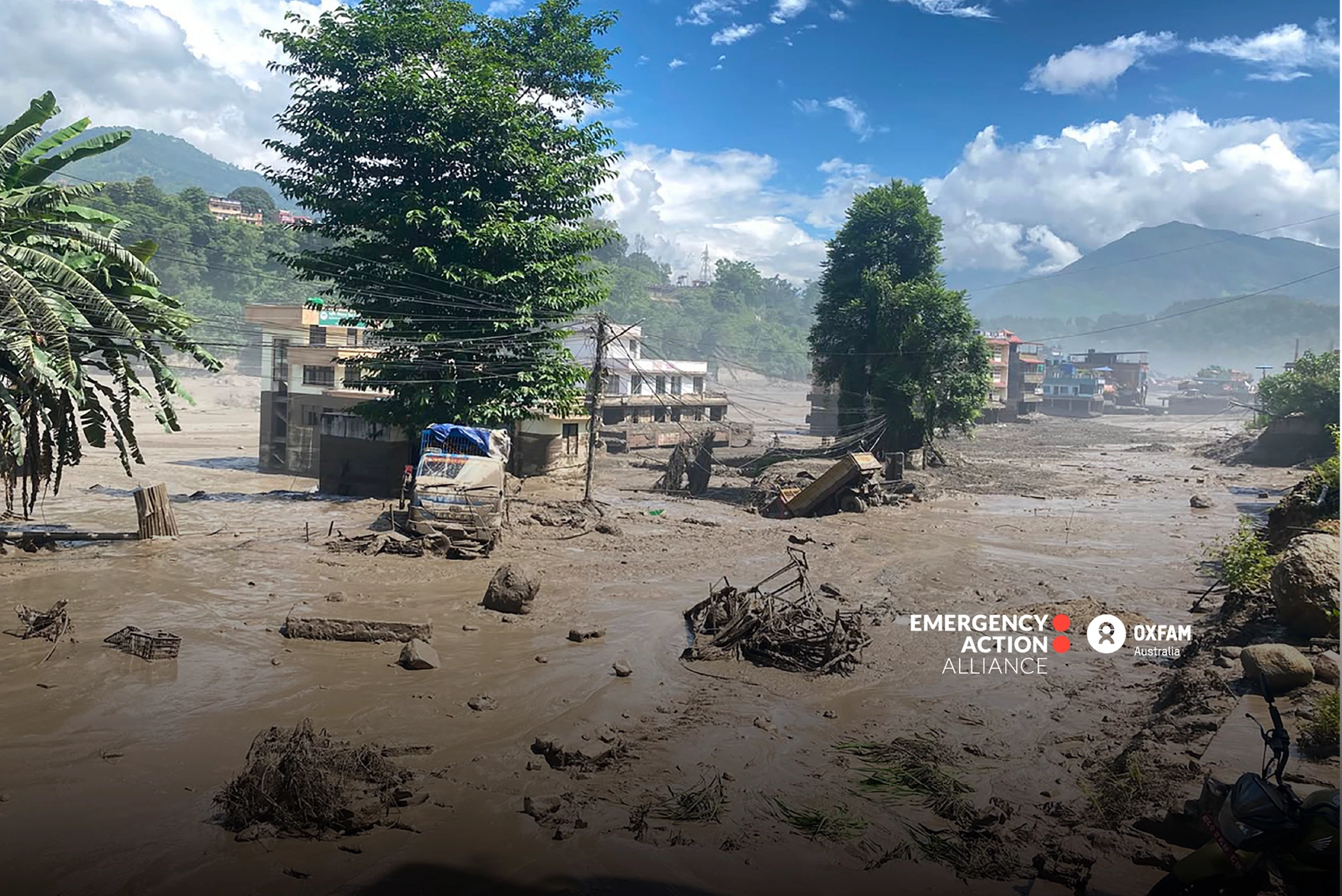
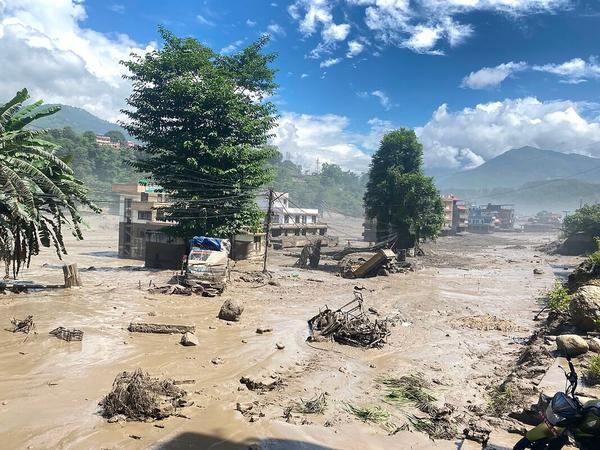
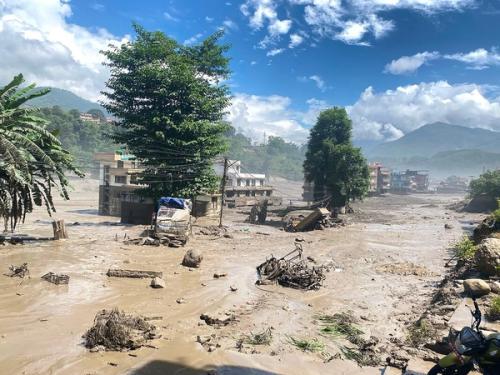
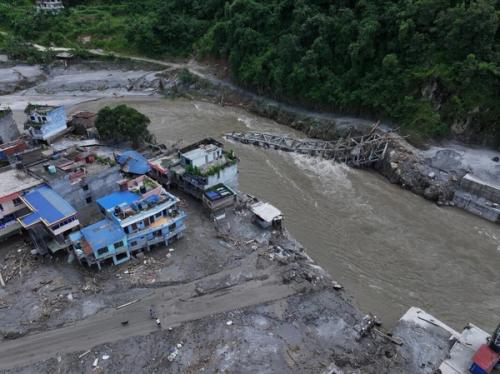
Nuwakot District: This photo taken on Aug. 26, 2026 shows an area affected by flash floods in Nuwakot District, Nepal. The death toll from a massive flash flood in Nepal's Bhote Koshi River on Wednesday reached 22, the police said. The Nepal Tourism Board said that as many as 384 tourists, including 291 foreigners, have been reported missing after a massive flash flood swept through Rasuwa district in northern Nepal. Photo: Xinhua/Shutterstock
Donate to the Nepal Flash Flood Emergency Appeal
Families in Nepal are facing unimaginable loss. Your support can help now and in the future.
Nuwakot District: This photo taken on Aug. 26, 2026 shows an area affected by flash floods in Nuwakot District, Nepal. The death toll from a massive flash flood in Nepal's Bhote Koshi River on Wednesday reached 22, the police said. The Nepal Tourism Board said that as many as 384 tourists, including 291 foreigners, have been reported missing after a massive flash flood swept through Rasuwa district in northern Nepal. Photo: Xinhua/Shutterstock
Donate to the Nepal Flash Flood Emergency Appeal
Oxfam is working closely with the Government and local partners to assess what people urgently need.
With your support, we can provide clean water, sanitation and hygiene, cash assistance and essential items in the aftermath of disaster.