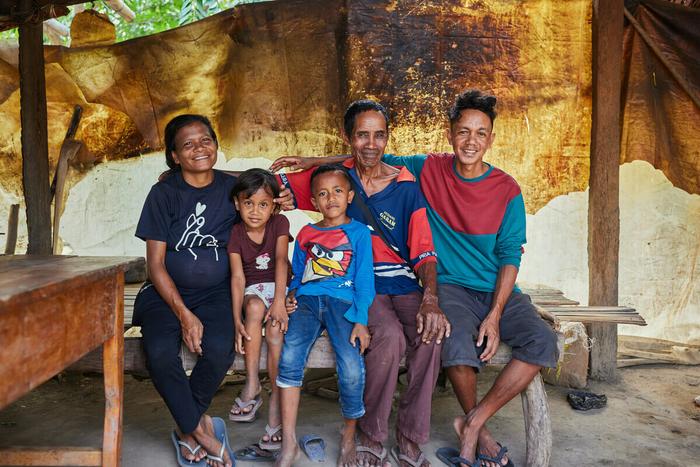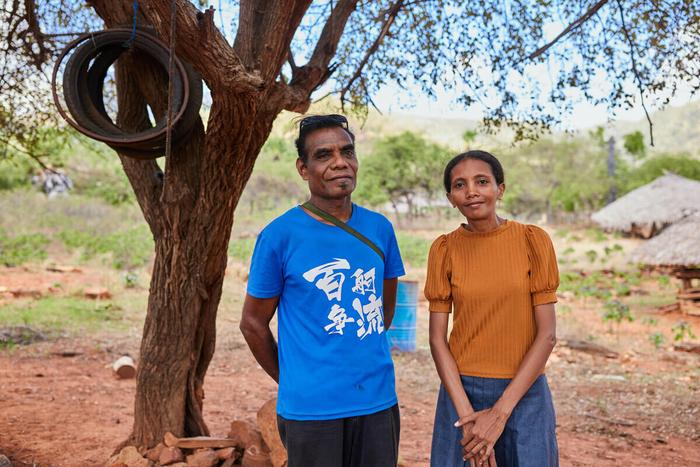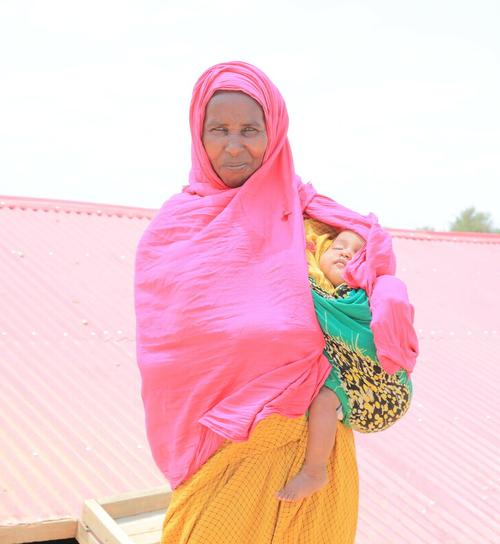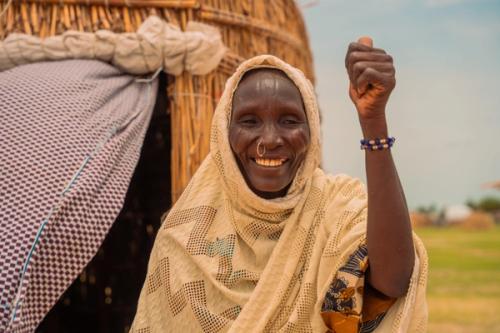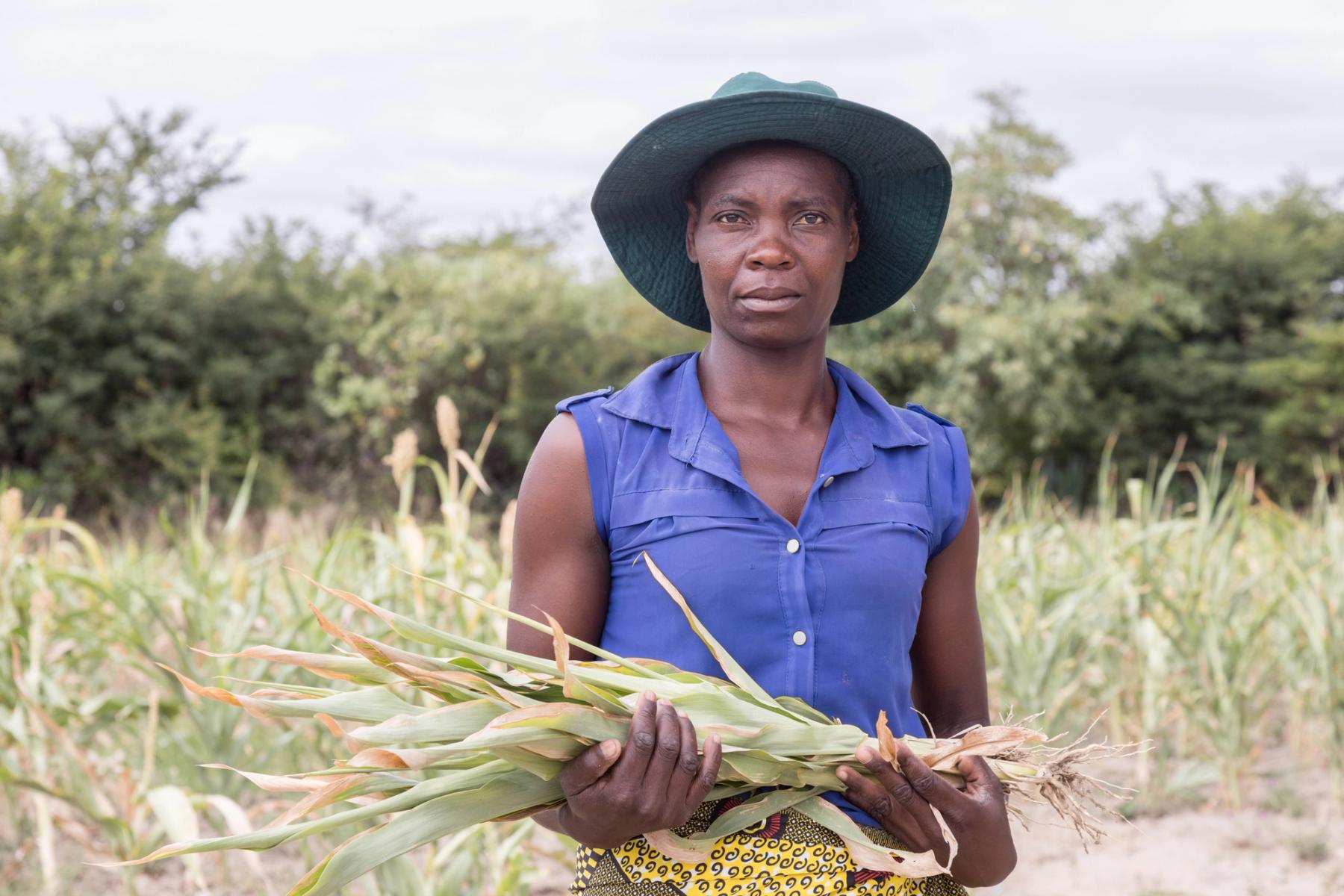
Zimbabwe: Elizabeth Mutimwii, a farmer, holding plants, the harsh sun and low rainfall devastated her crops. Photo: Loliwe Phiri / Oxfam
Food insecurity
What is food insecurity, what causes it and who is most affected?
You may have heard terms like malnutrition, famine and food insecurity used interchangeably, but they all refer to different things. So, what is food insecurity?
Food insecurity is the lack of reliable access to enough safe, nutritious and affordable food to live an active and healthy life.
Food insecurity is quite nuanced, and (maybe surprisingly) can occur in countries of all income levels. It’s not just about empty shelves or famine. It includes uncertainty, skipping meals to stretch a budget, and eating cheaper, less nutritious food because fresh food is unaffordable. And it reflects deeper structural problems: conflict, economic inequality, climate shocks and fragile food systems.
Understanding what food insecurity is (and what drives it) is the first step toward meaningful change.
What is food insecurity and food security?
To define food security and food insecurity clearly, it helps to understand the framework used by global institutions. Food security rests on four pillars:
- availability
- access
- utilisation
- stability
Availability refers to whether sufficient food is physically present, through farming, markets or imports.
Access refers to whether people can afford or physically reach that food.
Utilisation relates to how the body uses nutrition, which depends on food safety and food quality (whether food supports health).
Stability means these conditions are reliable over time, not disrupted by conflict, price shocks or extreme weather.
Food insecurity occurs when one or more of these pillars breaks down. A country can produce enough food nationally but still experience widespread food insecurity if households can’t afford it. Equally, a community may have purchasing power but lose access if floods destroy transport routes. Food insecurity is therefore about systems, not just individual food supply.
Food insecurity vs hunger
Food insecurity and hunger are often used together, but they’re not the same. Hunger is a physical sensation in your body: the discomfort caused by a lack of food.
Food insecurity is broader, describing the conditions that sometimes lead to hunger (and other things like undernutrition or poor dietary quality). Making this distinction clear shifts the conversation from short-term symptoms to include structural causes as well.
Categories and severity levels of food insecurity
Food insecurity exists on a spectrum, and these classifications guide responses and signal urgency.
Chronic and acute food insecurity
Chronic food insecurity is the long-term inability to meet food needs. It is often linked to poverty, inequality and weak social protection systems.
Acute food insecurity is sudden and severe. It may follow conflict, economic collapse, drought or flooding. Acute crises can escalate rapidly and require urgent humanitarian responses.
Moderate and severe food insecurity
The FAO classifies food insecurity as moderate or severe using its Food Insecurity Experience Scale (FIES).
- moderate food insecurity includes reduced quality or quantity of food and uncertainty about access
- severe food insecurity includes running out of food, skipping meals or going an entire day without eating
In extreme cases, situations can deteriorate to famine. The Integrated Food Security Phase Classification (IPC) defines famine as occurring when at least 20 per cent of households face extreme food shortages, acute malnutrition exceeds critical thresholds and mortality rates rise significantly. That is, when there is limited enough food on a widespread scale and people are dying every day from it.
It’s not enough to just define what food security and insecurity is. To bring about change, we also need to understand what causes food insecurity and the consequences of it, too.
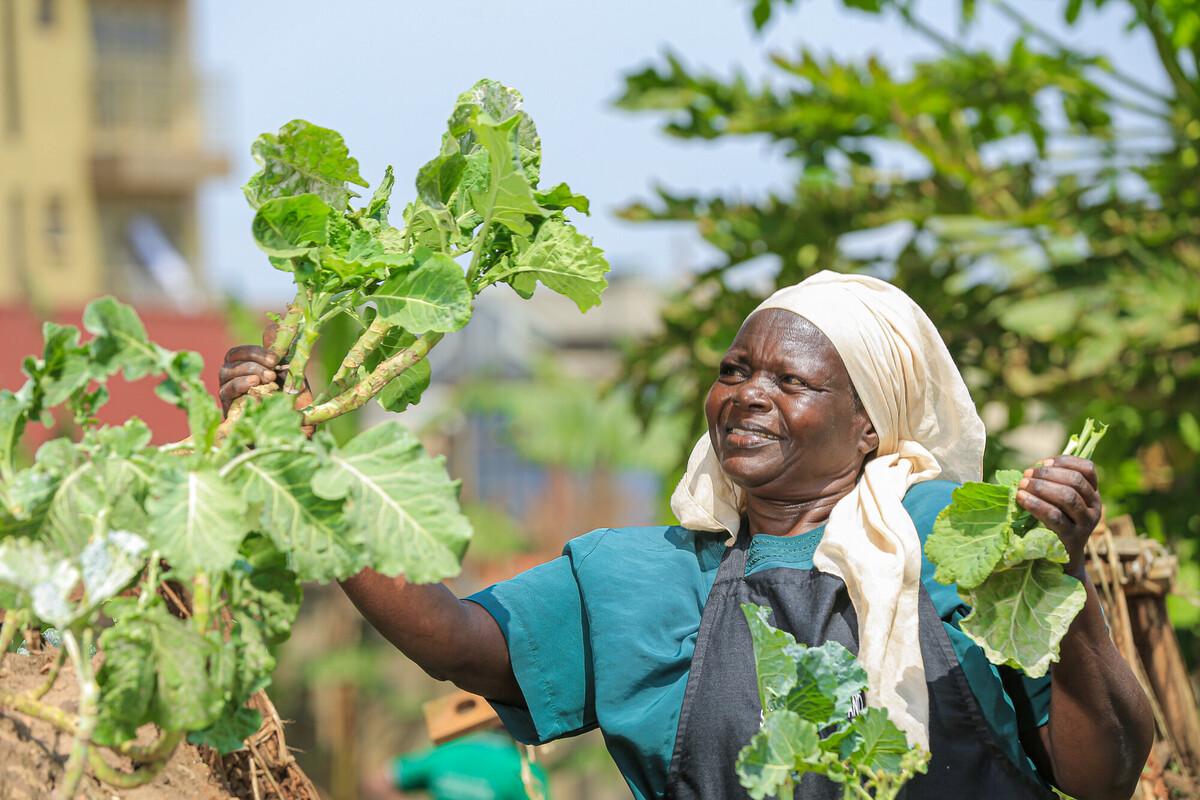
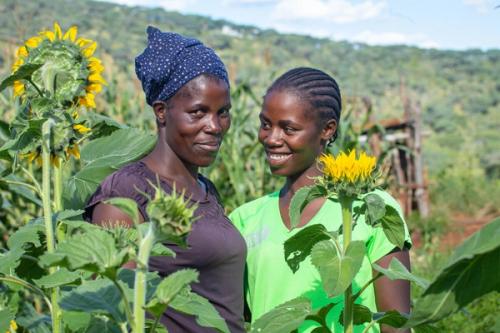
Uganda: Maimuna Umar Nakato, a member of the Single Mother's group harvests Sukuma wiki vegetables. Under the Urban Food Hives project Maimuna and others under the Single Mother's group were trained on how to use recycled bottles and tyres as planters to grow spices and vegetables utilising small piece of land. Photo: Philip Makaka/Oxfam
Causes of food insecurity
The causes of food insecurity are rarely isolated. They overlap and reinforce one another. In many of the world’s worst humanitarian crises, conflict disrupts water and infrastructure, which then collapses food systems, which then drives acute hunger.
Hunger can’t be addressed without addressing conflict and water scarcity. And conflict and water scarcity often can’t be addressed without also tackling economic inequality and the climate crisis.
Conflict and instability
Armed conflict disrupts farming, destroys infrastructure and displaces communities. It restricts access to markets and interrupts supply chains. The World Food Programme identifies conflict as one of the leading drivers of global hunger.
In the Middle East, this chain is playing out with devastating clarity. In Yemen, a decade of conflict has destroyed water infrastructure and collapsed agricultural systems, driving food insecurity for more than 19 million people.
In Syria, years of civil war deliberately targeted water systems; the resulting water crisis has directly undermined food production. Across the Middle East region, conflict has destroyed the water, farming and economic systems that make food security possible. Read more about water and food security across the Middle East.
Economic inequality
Food insecurity is deeply linked to economic inequality. When wealth and power are concentrated, wages stagnate and food becomes unaffordable for many households. Oxfam’s work on economic inequality highlights how unequal systems entrench poverty and limit access to essential resources, including food.
Rising food prices and global shocks
Pandemics, supply chain disruptions and currency instability can increase food prices. When staple foods become unaffordable, food insecurity rises (even in higher-income countries).
Weak social protection systems
Strong social safety nets provide buffers for households when incomes fall or crops fail. Without social protection, short-term shocks become long-term crises.
Climate change
Climate change is intensifying climate shocks like droughts, floods and heatwaves. These events reduce crop yields and disrupt farming and fishing, inevitably reducing the availability of staple foods. The Intergovernmental Panel on Climate Change (IPCC) confirms that climate change is already undermining food security globally.
The impact of climate change on food security
Climate change deserves particular attention because food insecurity is inseparable from climate justice. Extreme weather events damage crops and reduce yields. Changing rainfall patterns alter growing seasons. Warmer oceans affect fisheries. Drought and water scarcity compound the effects of conflict, creating overlapping crises where food systems have almost no room to recover. According to the FAO, climate variability and extremes are key drivers of food crises in many regions.
In countries highly exposed to climate shocks, repeated shocks can erode resilience over time. Smallholder farmers, who produce a significant share of food in many low-income countries, are often the least responsible for emissions yet face the greatest risk.
Climate impacts are also gendered. Because women often have less access to land, credit and decision-making power, they’re disproportionately represented in informal agriculture. And when harvests fail, existing inequalities widen.
Who is most affected?
Food insecurity affects diverse populations, but some groups face heightened risk:
- women and girls
- children
- smallholder farmers
- people living in poverty
- displaced communities and those in humanitarian emergencies
Children are particularly vulnerable. Inadequate nutrition during early years can have lifelong effects on health and development. In humanitarian emergencies (including conflict and climate-related disasters), food insecurity can escalate rapidly.
Long-term consequences of childhood food insecurity
Childhood food insecurity has measurable long-term impacts. Research from UNICEF and the World Health Organization shows that undernutrition contributes to stunting, impaired cognitive development and increased vulnerability to disease.
Children experiencing food insecurity may struggle to concentrate at school. Over time, this can reduce educational attainment and earning potential, reinforcing intergenerational poverty.
Food insecurity in developing and developed countries
Food insecurity is often associated with low-income countries. However, it also exists in high-income contexts.
In lower-income countries, as discussed, drivers may include conflict, climate exposure and limited infrastructure. In higher-income countries, food insecurity is more often linked to affordability, housing costs and insecure employment.
Middle-income countries experiencing sudden economic collapse (like Lebanon) show how quickly urban, working households can lose food security when currency collapses and import costs spike.
The FAO reports that moderate or severe food insecurity affects about 28% of people globally, across income levels. That’s approximately 2.3 billion people.
The underlying theme is access. Whether in rural or urban settings, food insecurity reflects systemic barriers to affordable, nutritious food.
How is food insecurity measured?
Measurement is important because it helps turn lived experience into policy action. Two key systems are widely used. The FAO’s Food Insecurity Experience Scale (FIES) gathers household-level data about lived experiences of food access (using those four dimensions we spoke of above: availability, access, utilisation and stability).
The Integrated Food Security Phase Classification (IPC) assesses crisis severity using evidence on consumption, nutrition and mortality.
These tools help governments, UN agencies and organisations prioritise response and allocate resources where they’re most needed.
Food security vs food sovereignty
Food security focuses on providing people with access to enough food, but it doesn’t always address how food is sourced or where it comes from. Sometimes, ensuring food security can mean we rely on exploitative or environmentally-destructive conditions, or subsidise large agribusinesses to the detriment of local producers.
In contrast, food sovereignty encompasses people’s rights to choose how they ensure food security. That is, to choose where their food comes from and how it’s grown. Their right to define agricultural systems and reclaim control over food production, including Indigenous forms of agriculture.
While distinct concepts, they intersect. Strengthening local food systems, supporting smallholder farmers and ensuring fair markets can improve both food security and community agency.
Why food insecurity is a systemic issue
Food insecurity does not result from global food shortages alone. The world produces enough food to feed everyone. The issue lies in distribution, inequality, power imbalances and climate impacts.
Vulnerable communities face higher risk when food systems prioritise profit over equity. Harvests fail when climate change intensifies without adequate adaptation support. And families fall through the gaps when social protection is absent.
Food insecurity is therefore shaped by economic inequality, climate injustice and political instability. Addressing it requires systemic change.
What needs to change
Reducing food insecurity requires both immediate and long-term action. In crises, humanitarian assistance is essential to prevent acute hunger and famine.
Longer term, some solutions include:
- strengthening local food systems
- investing in climate adaptation
- supporting smallholder farmers
- expanding social protection
- addressing economic inequality
Oxfam works with local partners to build resilience, advocate for more just economic systems and respond to humanitarian emergencies.
Food insecurity is not inevitable and nor is it simply about food, but the systems that determine who eats and who does not. Donate today to help shape policy choices and power structures. With your support and coordinated action, it can be reduced.
For more on Oxfam’s work, you can browse our current appeals.