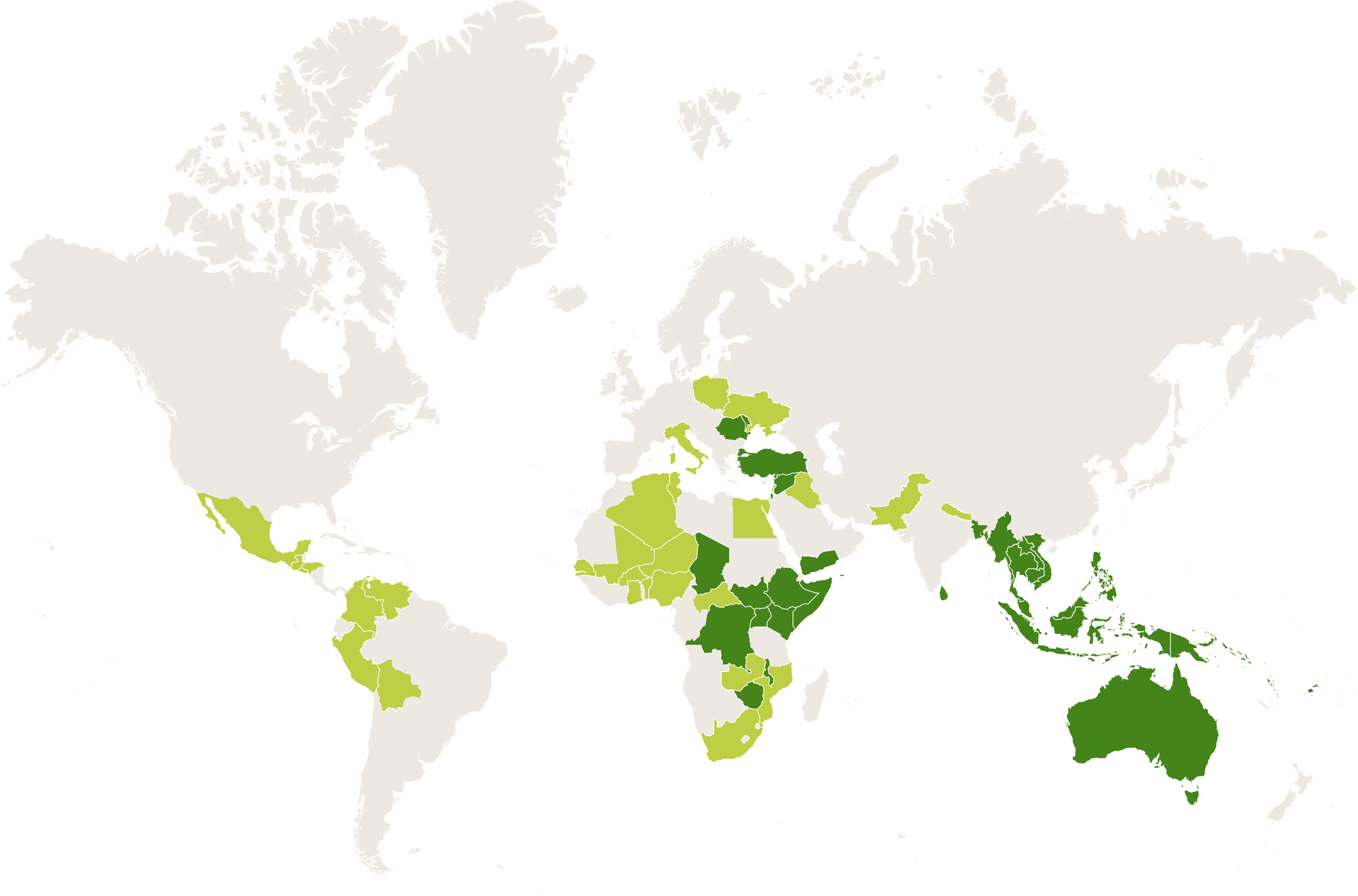
The Oxfam confederation works in more than 70 countries, helping over 14.25 million people to lift themselves out of poverty.
Click on the markers to learn more about our impact in some of the countries
Current Appeal
Our Impact
Oxfam Australia projects
Oxfam Confederation projects
Impact statistics
1.3M
people reached with life-saving aid during an emergency
*Supported by Oxfam Australia
175,000
people supported in long-term development programs
$39.5M
invested in programs
Countries where we work
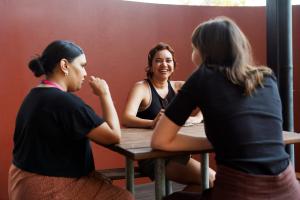
Australia: Obby participated in the KAWC Roundtable in Broome, 2023. She is a proud Bunuba woman from Fitzroy Crossing. Photo: Aimee Han/Oxfam
Australia
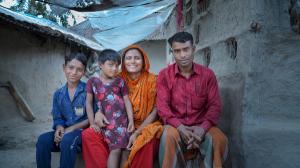
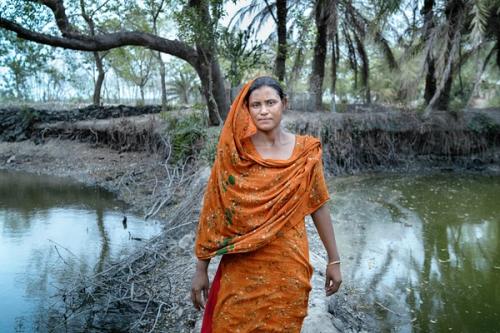
Bangladesh: Mst. Monira lives with her husband and children near the Sundarbans, the largest mangrove forest in the world. Without ready access to fresh water, people living here are often ill from the saltwater they are forced to use and struggle to earn an income. Photo: Fabeha Monir/Oxfam. Oxfam acknowledges the support of the Australian Government through the Australian NGO Cooperation Program (ANCP).
Bangladesh
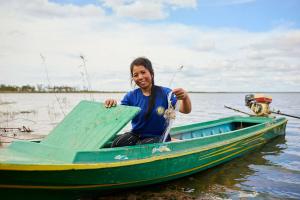
Cambodia: Chhorvy is a community leader who developed her skills in fish catch monitoring through local partner MVi (My Village). She also conducts eco-training sessions for fellow fisherfolk, sharing her knowledge with the community. Photo: Patrick Moran/Oxfam
Cambodia
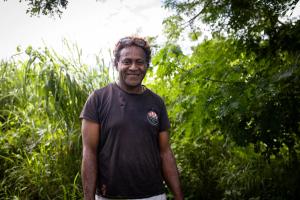
Fiji: Poasa (he/him), also known as Porsha, at the PRIDE farm that he oversees. The PRIDE farms project began after COVID-19 when food insecurity issues facing queer people in Fiji became heightened. Rainbow Pride Foundation, a local partner of Oxfam in the Pacific supported through the Shifting Power Shifting Voices (SPSV) project, works on addressing these issues. Photo: Alipate Laveti/Oxfam. Oxfam acknowledges the support of the Australian Government through the Australian NGO Cooperation Program (ANCP).
Fiji
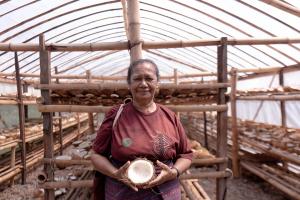
Indonesia: Mama Len in the Solar Dryer House which helps to transform coconut shell waste into high-quality, export-grade charcoal and briquettes that are eco-friendly and energy-efficient. Photo: Kyo Umareta/Oxfam. Oxfam acknowledges the support of the Australian Government through the Australian NGO Cooperation Program (ANCP).
Indonesia
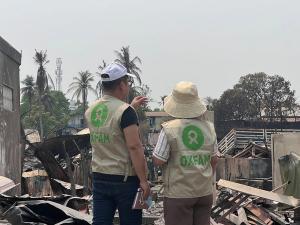
Myanmar: Oxfam staff discussion about the devastation at the areas they are visiting in Mandalay. Photo: Aung Khant Zaw/Oxfam
Myanmar
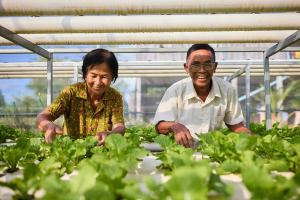
Cambodia: Bun and Vantha (both 60s) are part of an Aquaponics pilot project in their village. The pilot gives local villagers the opportunity to grow vegetables in a climate resilient way that can then be used to support their household expenses. Photo: Patrick Moran/Oxfam. Oxfam acknowledges the support of the Australian Government through the Department of Foreign Affairs and Trade (DFAT).
Mekong region
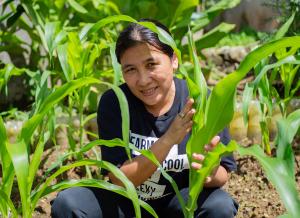
Phillipines: Lorna Antiola with corn plants. Photo: ©Elizabeth Stevens/Oxfam
Philippines
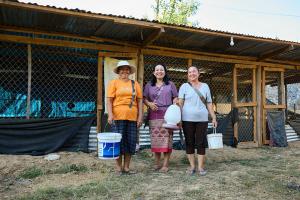
Lao People's Democratic Republic: Caption The native chicken production group (Had Khor Agriculture Production Group) in Pak Ou, with members Mon, Somchan and Bouathong. Photo: Patrick Moran/Oxfam. Oxfam acknowledges the support of the Australian Government through the Department of Foreign Affairs and Trade (DFAT).
Laos
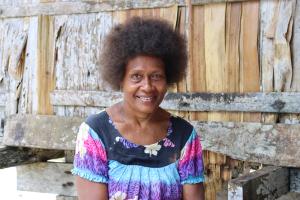
Solomon Islands: Alice Awakeni (52) lives in Pipisu village, West 'Are'are region in rural Malaita in Solomon Islands. She is a participant in Oxfam's Kōtui programme and leads the women's empowerment group in her community, organised by Oxfam partner, WARA. Photo: Rachel Schaevitz/Oxfam
Solomon Islands
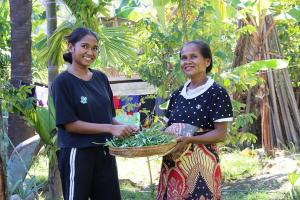
Timor-Leste: Monica and her daughter harvest water spinach from their home garden. They lost their entire home, including all their savings, their crops, and their livestock in a massive flood in 2021. Oxfam's work in her area helped her family rebuild after the flood, and learn new climate-smart agricultural techniques so that they are more resilient when the next disaster strikes. Photo: Rachel Schaevitz/Oxfam.
Timor-Leste
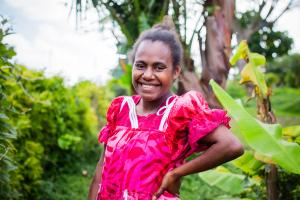
Vanuatu: Nelsie is a graduate of the Ready for Business program run by Youth Challenge Vanuatu (YCV), preparing young entrepreneurs for success. Nelsie has a small business making Maringa soaps and oils which are sold in the store where she works. Photo: Arlene Bax/Oxfam. Oxfam acknowledges the support of the Australian Government through the Australian NGO Cooperation Program (ANCP).
Vanuatu
Annual report 2025
Around the world, we’re united in unaccepting inequality. Together, we deliver life-saving support today, and create long-term change for a tomorrow without poverty. The future is equal.
+1.3M
people reached through our humanitarian work
+42K
people donated to our work reducing poverty and inequality worldwide
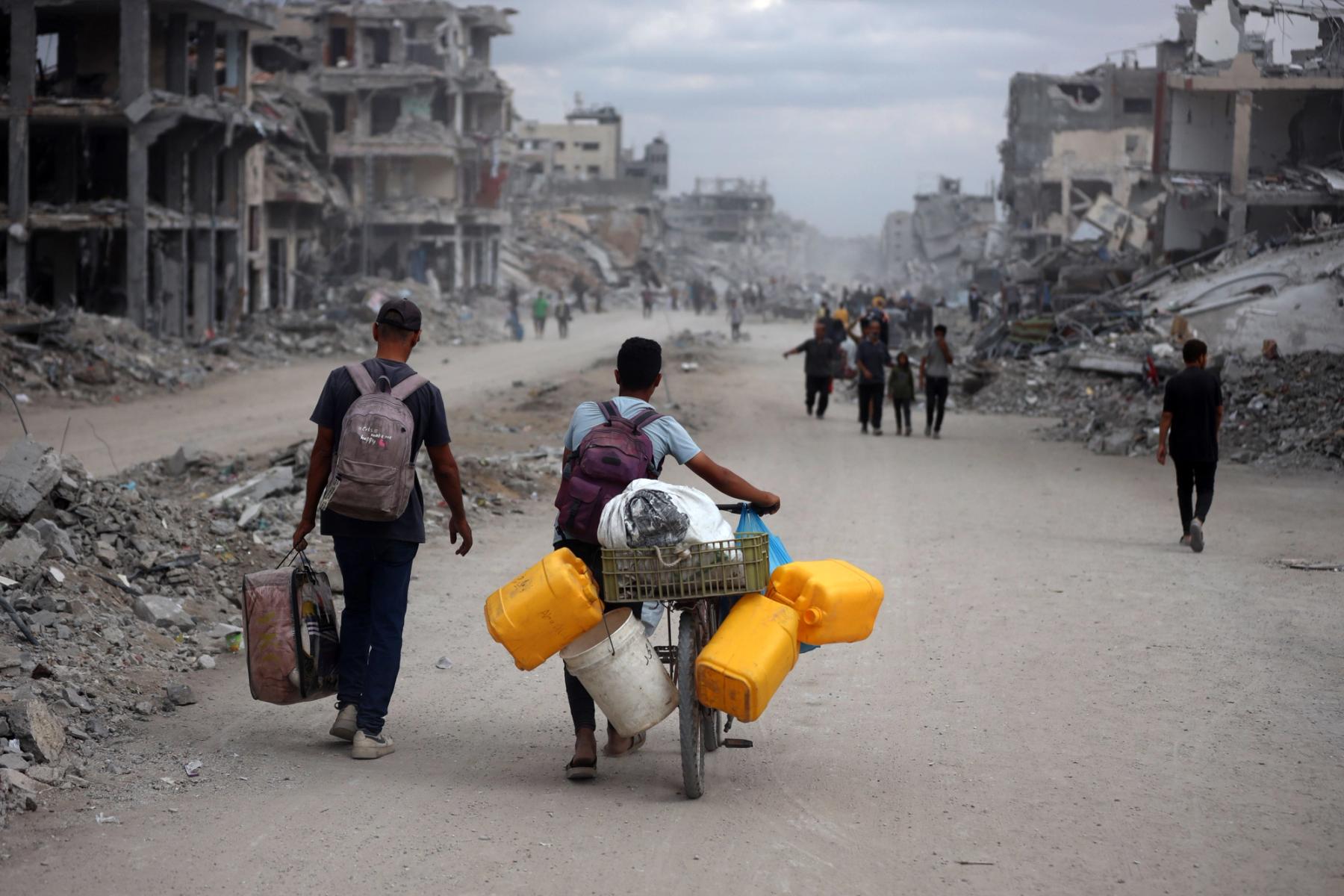
Palestinian Territory - Occupied: Palestinians make their way past destroyed buildings in Gaza City, on October 12, 2025.Photo: Photo by Majdi Fathi/NurPhoto/Shutterstock (15533916f)
Humanitarian appeals
Support Gaza today
Please donate today to support the people of the Occupied Palestinian Territory and Lebanon, advocate for a permanent ceasefire and stand for peace.
2M+
people are still in need after ceasefire in place
1.4 M+
people have been supported by the Oxfam confederation
2M+
people are still in need after ceasefire in place
1.4 M+
people have been supported by the Oxfam confederation
How you can help
Join Oxfam today and help communities all over the world live free from poverty.
Stay up to date with our news, programs and appeals.