A global solution to climate change
Climate change is happening. If world leaders don’t take strong action now, evidence points to massive environmental damage that will lead to a dramatic loss of croplands and water sources and an increase in poverty and suffering around the world. We need a global solution to climate change.
What’s the current situation?
The United Nations climate negotiations are best placed to deliver a global solution to climate change as both developed and developing countries are involved in the process. It is the UN climate negotiations where the Kyoto Protocol – the existing international climate agreement – was decided upon in 1997.
We hoped that with the considerable pressure from progressive world leaders and civil society that the 2009 UN Climate Summit in Copenhagen would deliver a strong climate treaty, instead what was agreed to was a weak, non binding set of agreements.
Despite this set back, negotiations have continued and at the major UN Climate Summit of 2010 – which took place in Cancun, Mexico – some significant progress was made laying the building blocks for a global treaty to be reached in the coming years including:
- the establishment of a Climate Fund to help developing countries cope with the impacts of climate change and to reduce their carbon emissions
- a pathway for raising the emissions cut pledges that were made after Copenhagen to levels in line with what science says is necessary to avoid dangerous climate change
While these are essential building blocks, we are still a long off from the fair, ambitious and legally binding climate agreement our planet needs.
What needs to happen next?
Governments from around the world must urgently work to finalise the details of a comprehensive global climate agreement.
To secure a safe climate future and protect the lives of millions of vulnerable people around the world, wealthy developed nations must:
- Agree upon ways to raise long-term finance urgently needed to fill the newly established Climate Fund. This money could be raised through innovative sources like a Robin Hood Tax and a small levy on international aviation and shipping pollution. International shipping is a major – and rapidly growing – source of greenhouse gas emissions. Global agreement to apply a carbon price to shipping can both reduce emissions and raise much needed funds to support developing countries tackle climate change. See Oxfam’s briefing paper Out of the Bunker
- Recognise that climate change is an additional burden on the world’s poor and ensure that funding for climate change adaptation is additional to existing international aid. Every dollar diverted from the aid program is one dollar less for vital health, education, water and sanitation projects that save lives and help people out of poverty.
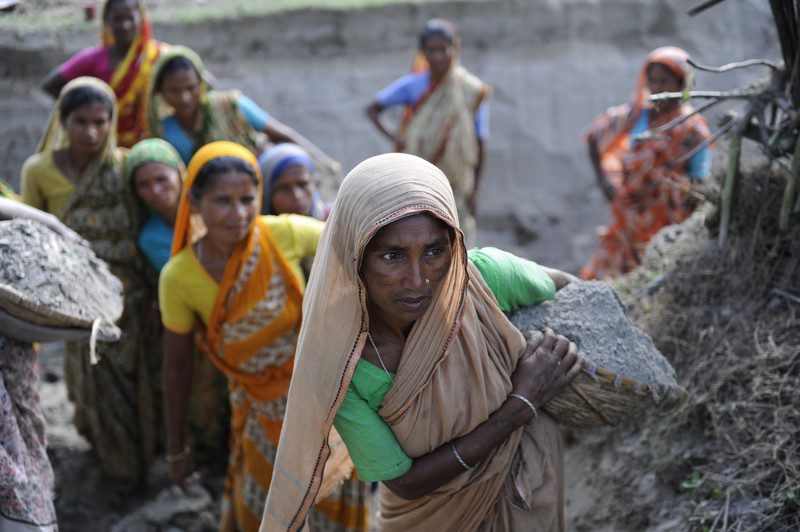
- Ensure that women, who are among the most affected by climate change, should be equitably represented on the board of the new Climate Fund so that they have a say in how money is most effectively spent
- Upgrade current emission reduction pledges – which countries acknowledged during the Cancun Climate Summit are inadequate – to be in line with the latest science. Wealthy countries should set binding emission reduction targets of at least 40% below 1990 levels by 2010