More than 60% of people who live in poverty are living in countries that have valuable and abundant natural resources like oil, gas and minerals. But in a tragic contradiction, most of these citizens rarely share this wealth.
Mining can provide jobs, investment in community development projects and increased economic activity, but mining processes can also harm the surrounding environment by destroying land and biodiversity, creating toxic chemicals and causing water and air pollution. Mining also contributes to climate change by producing fossil fuels, which are the biggest emitters of greenhouse gases.
In recent years, Australia has profited from a global mining boom which has seen the industry expand its activities domestically and internationally. Increasingly, the Australian mining industry is active in countries where corruption is rife and conflict is an ever-present risk.
The mining industry
Today, Australia is one of the world’s leading producers and exporters of metals and minerals, which account for nearly 70% of its total export revenue. The mining industry is one of the top contributors to the nation’s economic growth.
Mining operations in low-income countries tell a different story. Oil and minerals are the number-one export of most low-income countries. However, people vulnerable to inequality — particularly women and indigenous people — are much less likely to benefit from resource extraction. The environmental impact of mining in low-income countries is often more severe, due to a lack of consultation with communities and weaker regulations.
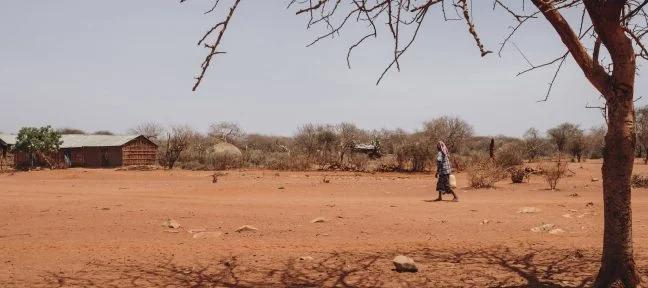
Sankuus* has to walk over thirteen kilometers to reach the nearest water source. Credit: Khadija Farah/Oxfam
Impacts of Mining
We have found mining can negatively affect people by:
Mining can impact local communities both positively and negatively. While positive impacts such as employment and community development projects are important, they do not off-set the potential negatives.
- forcing them from their homes and land
- preventing them from accessing clean land and water
- impacting on their health and livelihoods
- causing divisions in communities over who benefits from the mine and who doesn’t
- changing the social dynamics of a community
- exposing them to harassment by mine or government security
These impacts are exacerbated when local people aren’t consulted and are given no information about a planned mine. Even worse is when people are not given a say on whether or not a mine should even be developed.
The potential benefits that mining brings to a community can be undermined if secrecy surrounds the payment of mining taxes to the government or the benefits shared at the local level.
Environmental impacts of mining
The environmental impacts of mining are significant. Establishing mining sites requires an enormous amount of construction, which often causes deforestation and loss of wildlife habitats and biodiversity.
Surface mines, which require the use of explosives and heavy machinery to expose materials near the earth’s surface, cause massive canyon-sized holes in the land and lead to soil erosion and degradation around surrounding areas. Mountaintop removal mining, a method of coal mining, uses explosives to blast the entire top of a mountain.
Surface mines create a huge amount of waste materials. Mines release harmful substances into the air and water, and can cause serious health issues if inhaled or consumed. Mines also release acidic water, which can kill marine life and make freshwater unsuitable for drinking. Underground mining produces fewer waste materials than surface mines, but they are risky for mine workers.
The mining industry emits carbon via transportation and energy use, and produces fossil fuels – the largest source of carbon emissions in the world.
Even after mines are decommissioned, they continue to impact the environment. Acid mine drainage occurs after mines have been abandoned, and results in heavy metals entering water systems and harming the plants, animals and humans that consume it.
Social impacts of mining
Mining can create employment opportunities, boost economies and provide investment for local development projects. However, mining operations that don’t respect human rights or protect the environment can cause significant harm to surrounding communities.
Impact of mining on Indigenous communities
The negative impacts of mining are exacerbated when local people are not consulted or given transparent information about a proposed mine. Mines often disrupt the lands and lives of Indigenous communities, who have been living on the proposed mine site for generations. For Indigenous people, free, prior and informed consent is a right under international law and is critical for protecting sacred lands and cultural identity. Mining companies ensure that the traditional owners of the land endorse the mining process, and that they have the opportunity to benefit from its operations.
Oxfam helps communities participate meaningfully in consultations with mining companies by providing local organisations with strategic advice, financial support and technical training.
Impact of mining on women
Women are disproportionately impacted by mining. They are rarely consulted when companies negotiate access to land, compensation or benefits, and any benefits paid out by the mine are generally paid to men. Women are also less likely than men to benefit from the job opportunities that come with mining. If they do work in the mines, they often face discrimination, poor working conditions and unequal pay for equal work. If they don’t work in the mines, they are still impacted by the transient male workforce in their community, which can lead to social issues like increased in alcohol consumption, violence and sex workers.
The environmental impacts of mining can undermine women’s ability to provide food and clean water for their families and can increase their workload.
Through our international networks, Oxfam helps mobilise women’s rights organisations and amplifies demands for women to benefit equally from extractives and the transition to renewable energy.
Resettlement of communities
The development of large-scale mining sites often leads to local communities being displaced from their land and resettled elsewhere. While governments and project developers are responsible for ensuring that people are not worse off after resettlement, relocation can have negative outcomes – including hardship and impoverishment for affected communities. Resettlement is often involuntary, with communities being forced to relocate with little or no consultation or choice.
Resettlement can result in loss of livelihoods and reduced access to food and water. If resettlement programs fail or are insufficient, families are left with little or no capacity to farm, or to access other income opportunities. Resettlement sites are often isolated, and can be far from towns and essential services.
Globally, Oxfam affiliates work to break the cycle of corruption and harness the potential of extractive industries to support sustainable development.
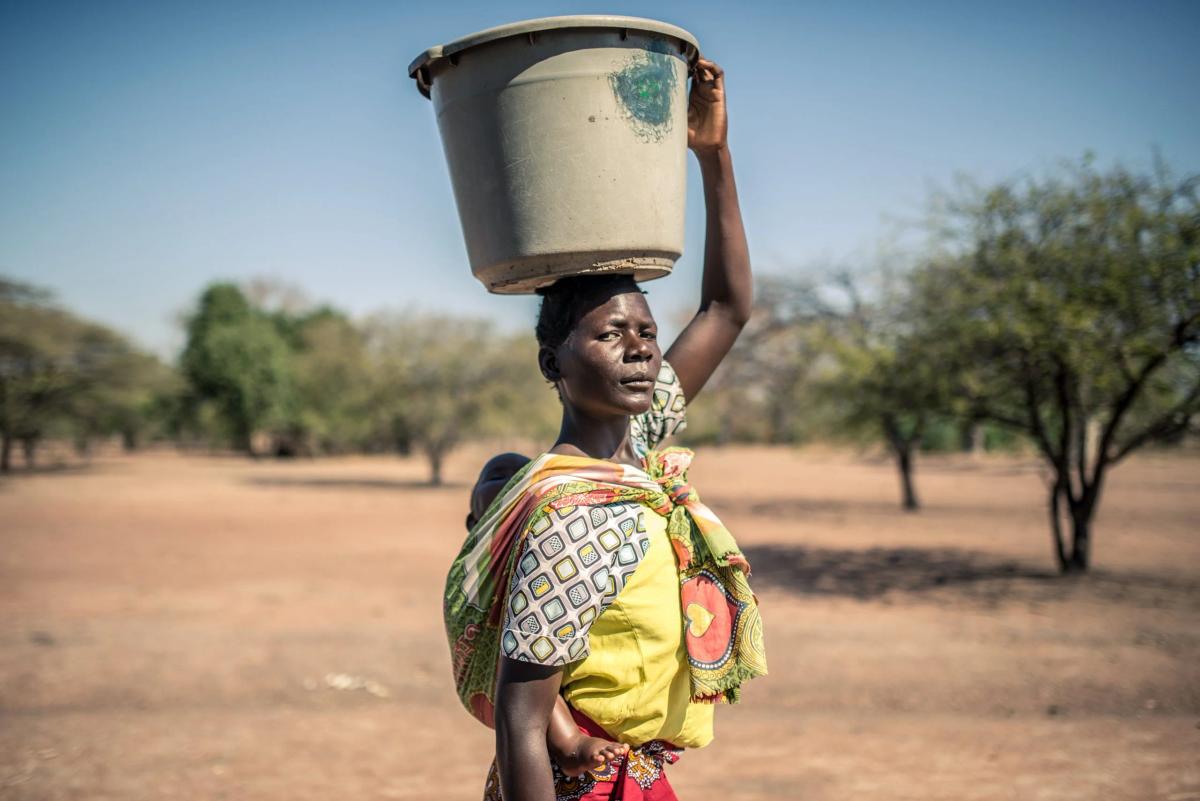
Blantyre Rural, Malawi: Elube (32) walks to collect water for her family. Elube's family has been severely affected by the drought and she now has to walk very far to find water. Photo: Aurelie Marrier d'Unienville/Oxfam AUS
Social and environmental responsibility
We believe local communities most directly affected should have a voice in whether oil, gas and mining projects proceed, and how they are carried out. We also believe that projects should be socially and environmentally responsible. These projects should not add to poverty and powerlessness, rather, they should help overcome them.
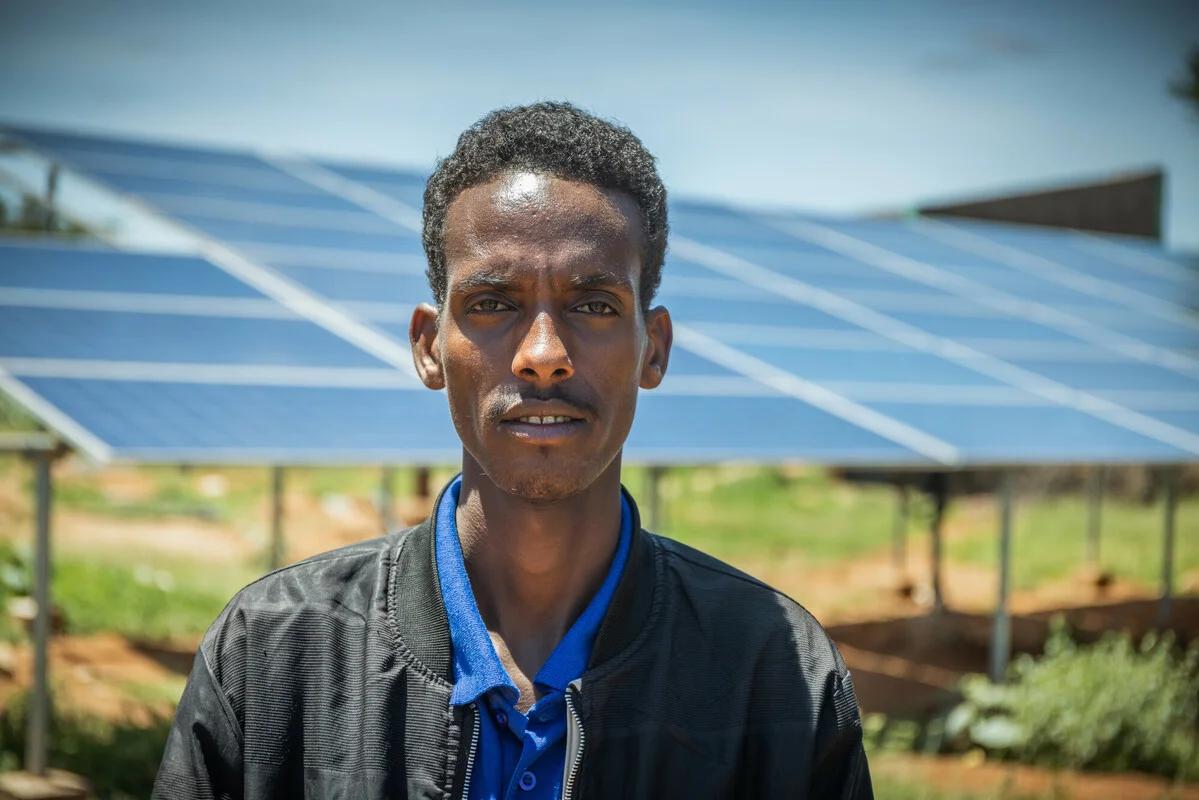
Ethiopia: Mohammud, 27, water bureau head in Ararso says, standing next to the 56-panel solar array that Oxfam installed and now powers the system. Photo: Petterik Wiggers / Oxfam
Responsible natural resource development
Oxfam International advocates for just government policies and corporate practices in the oil, gas and mining industries, and supports the right of communities to participate meaningfully in decisions about the development of natural resources.
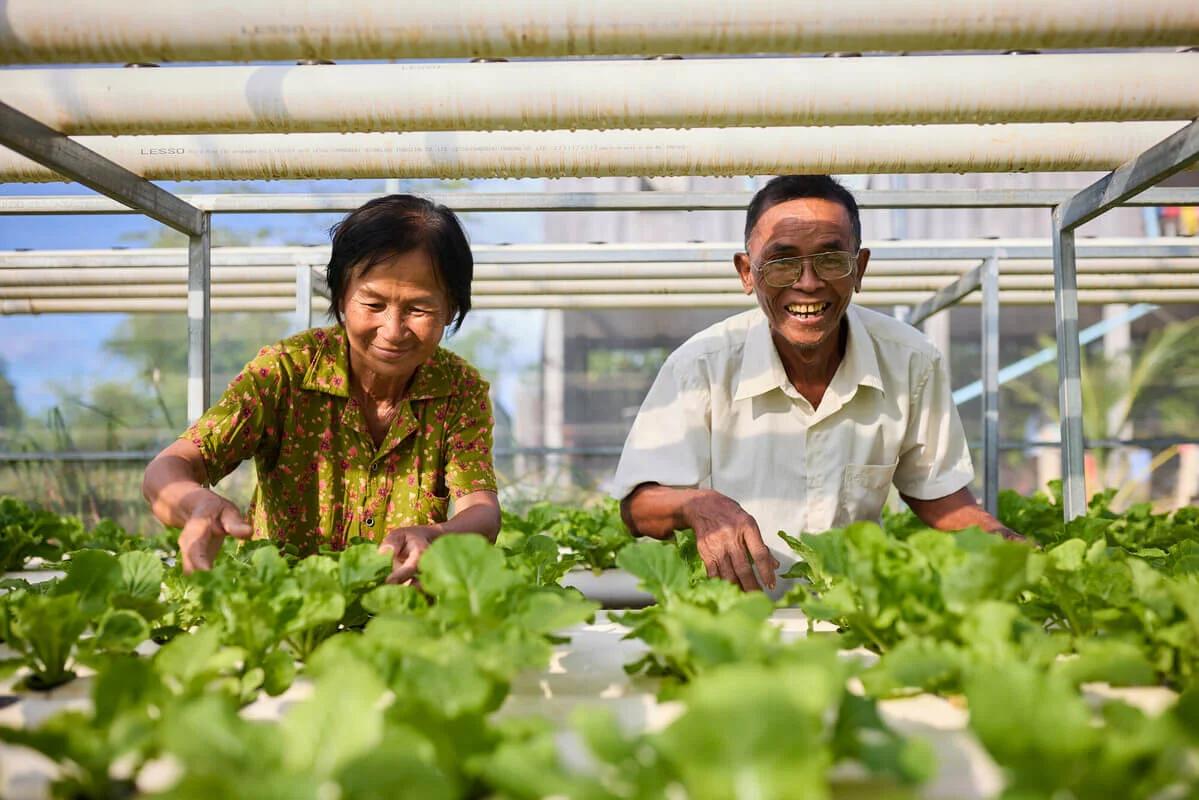
Cambodia: Bun and Vantha (both 60s) are part of an Aquaponics pilot project in their village. The pilot gives local villagers the opportunity to grow vegetables in a climate resilient way that can then be used to support their household expenses. Oxfam acknowledges the support of the Australian Government through the Australian NGO Cooperation Program (ANCP). Photo: Patrick Moran/Oxfam
Learn more
You can read more about the work of Oxfam’s global affiliates or read the Oxfam Natural Resource Justice Program Report.
Future direction for the mining industry
The mining industry is responsible for 4%-7% of global greenhouse gas emissions and has a responsibility to commit to a reduction in emissions throughout its entire supply chain. This includes moving away from fossil fuels and supporting renewable energy and new technologies.
The mining sector, governments, investors and communities need to work together to agree on clear standards that promote environmental sustainability, along with social and economic development.
To reduce the social and environmental impacts of mining, companies and governments must abide by regulations that protect air, water and land resources, respect basic human rights, follow socially responsible practices, and engage in appropriate consultations with local communities.
Mining activities must be transparent and companies must be accountable to the communities impacted by their operations. They must publicly disclose the impacts of projects and the revenue governments earn from them.
Oxfam will continue to work globally with non-government organisations, mining companies, governments and communities who are impacted by mining to formulate sustainable and equitable outcomes.
The gendered impacts of mining
The impacts of mining are not gender neutral. Women often experience the negative impacts of mining more than men, and rarely receive the benefits that men do.
Our work shows that:
- women are not consulted when companies negotiate access to land, compensation or benefits
- when mining damages the environment, it undermines a woman’s ability to provide food and clean water for her family and can increase her workload
- compensation and benefits are paid to men “on behalf of” their families, denying women access to mining’s financial benefits and potentially increasing their economic dependence on men
- women can lose their traditional status in society when mining creates a cash-based economy
- a transient male work force can bring increased alcohol, sex workers and violence into a community, which can affect the safety of women
- female mine workers often face discrimination, poor working conditions and unequal pay for equal work
Oxfam is working to ensure that gender justice becomes a central issue in global mining sector reform efforts and that women’s rights are more progressively realised.
FAQs
What are the negative impacts of mining?
Mining activities can have a negative environmental impact on the area surrounding the mine site. The process of exploring and extracting minerals can disrupt wildlife habitats and ecosystems, while the actual mining operations produce toxic waste that creates water and air pollution.
Oxfam’s experience in working with communities that are impacted by oil, gas and mining operations has shown that mining can negatively affect people when they are not consulted or given an opportunity to influence the project.
This can lead to disempowered communities being forced from their homes, losing access to clean water and land, social unrest and an increase in health problems.
What are the positive impacts of mining?
Mining enables the extraction of oil, gas and minerals needed to build infrastructure, provide power to communities and develop new technologies.
When mines abide by social and environmental regulations, and consult with the local community, they can lead to an increase in employment opportunities, investment in local development projects and a boost to the economy.
However, there are also significant negative social and environmental impacts of mining that can far outweigh these benefits.
What are the effects of illegal mining?
Illegal mining refers to any mining operations not approved by government or that don’t have required permits or licenses. Illegal mining activities do not abide by environmental or ethical regulations and can cause significant environmental impacts and harm to local communities.
What is the environmental impact of mining?
The environmental impacts of mining include deforestation and disruption of land during exploration and extraction activities, which impacts biodiversity and wildlife habitats. The mining process also produces toxic waste materials that pollute the surrounding air and water, harming the communities and wildlife that rely on these resources.
Mining also contributes to climate change by producing fossil fuels, which are the largest emitter of greenhouse gases.
What are the social impacts of mining?
Mining activities can provide employment and boost local economies, improving the quality of life for local communities. However, if mining operations do not respect human rights or abide by regulations, they can cause great harm to the people who live in the area, by forcing them to leave their homes, destroying their land, water and air quality, and causing social unrest.
How does mining affect peoples’ lives?
Mining can provide economic opportunities to mining companies, employees and local communities living around the mine site. However, if the mining activities do not abide by relevant laws and regulations, they can put workers at risk and damage local communities and the environment.
There must be consultation with communities to ensure that they benefit from the extraction of their natural resources and are not harmed in the process.
What is the impact of mining on human health?
Mining operations have the potential to negatively impact the health of workers and surrounding communities. There are many occupational health hazards for mine workers, from falls and accidents to heavy machinery misuse. The inhalation of mine dust, which contains fine mineral particles, can lead to skin irritation and respiratory illness.
Communities living near a mine site may be exposed to air and water pollution from mining operations.Acid mine drainage occurs when heavy metals exposed by mining leach into waterways, making the water more acidic. This can then harm marine life and lead to contaminated water and a contaminated food chain. If chemicals like sulphuric acid leak from a mine and enter a waterway, they can be lethal if consumed.
How does mining affect climate change?
As a major global industry, mining contributes to climate change by producing emissions from transportation, building infrastructure and energy use.
Mining also produces fossil fuels, which are the primary source of carbon dioxide, one of the most harmful greenhouse gases.
How much pollution does mining cause?
The mining industry is responsible for 4%-7% of global greenhouse gas emissions. Mining activities produce fossil fuels which are the largest emitter of carbon dioxide and create waste materials which pollute the air and water. Acid mine drainage can continue after a mine is decommissioned as it poisons the surrounding water and soil.
What mining is worse for the environment?
The environmental impact of mining can be significant. Surface mining, as opposed to underground mining, is particularly damaging to the environment. It involves the use of explosives and heavy machinery to expose materials close to the Earth’s surface. It often causes habitat destruction, deforestation and air and water pollution.
How can we reduce the impact of mining?
To reduce the impact of mining, companies and government must abide by regulations that protect air, water and land resources, respect basic human rights, follow socially responsible practices, and engage in appropriate consultations with local communities.
Mining activities must be transparent and accountable to the communities who are impacted by their operations, and must publicly disclose the impacts of projects and the revenue governments earn from them.
What is the ‘resource curse’?
The ‘resource curse’ refers to the negative effects that low-income countries experience as a result of being rich in natural resources. An abundance of natural resources like oil, gas and minerals should lead to economic prosperity. However, it often results in high levels of conflict, corruption and an over-investment in mining at the cost of other industries like agriculture and manufacturing, which could potentially employ larger numbers of people.